Travel and Medical Essentials for Hoedspruit: Malaria, First Aid and Local Help

Travel and Medical Essentials for Hoedspruit: Malaria, First Aid and Local Help

A little preparation goes a long way in the bush. Hoedspruit has a private hospital, pharmacies and emergency medical services, but you’ll still want to sort out malaria protection, sun and bite care, and a sensible first-aid kit before you go. This is our practical local guide.

In short: see a doctor or travel clinic about malaria before you travel, pack a small first-aid kit with the local brands below, protect yourself from mosquitoes and sun, and know where Hoedspruit’s hospital and pharmacies are.

This guide is general information, not medical advice. Always speak to a healthcare professional about your own needs.

Malaria in Hoedspruit and the Greater Kruger

Hoedspruit and the Kruger National Park are in a low-risk, seasonal malaria area. The risk is highest in the hot, wet months (roughly October to May) and lowest in the dry winter.

Should you take malaria tablets? That’s a decision for you and your doctor, based on when you’re travelling, how long you’re staying, your health and who is in your group. SANParks advises visitors to Kruger to speak to their doctor about antimalarials. Options commonly prescribed in South Africa include:

  • Atovaquone-proguanil (sold as Malanil and other brands): started a day or two before you travel and taken for 7 days after.
  • Doxycycline: taken daily and continued for 4 weeks after leaving the area, and it can make your skin more sensitive to the sun.

Whatever you decide, avoiding bites is your first line of defence:

  • Use a DEET-based repellent such as Peaceful Sleep or Tabard, especially from dusk.
  • Wear long sleeves and long trousers in the evenings.
  • Sleep under a net or in a screened room, and use plug-in mosquito devices.

Know the symptoms. Malaria can feel like flu: fever, chills, headache and body aches. It can appear from about a week to several weeks after your trip. If you feel unwell, get a malaria test the same day and tell the doctor where you’ve been. Kruger’s malaria hotline is 013 735 5638.

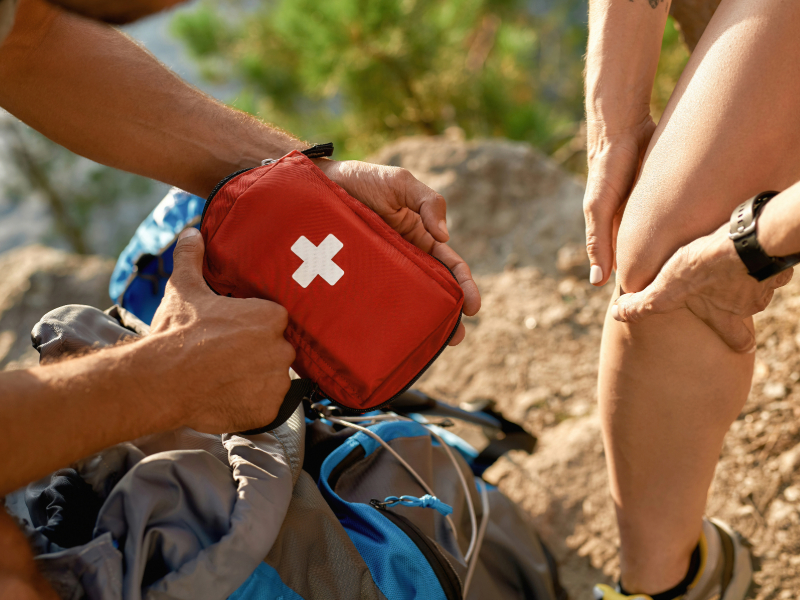
Your bush first-aid kit

All of these are available at Hoedspruit’s pharmacies:

  • Pain and fever: paracetamol (Panado) and ibuprofen (Brufen or Nurofen)
  • Allergies and bites: an antihistamine tablet and an anti-itch cream
  • Rehydration: oral rehydration sachets such as Rehidrat, essential in summer heat or after a stomach bug
  • Stomach: loperamide (Imodium) for diarrhoea, plus something for nausea and motion sickness on winding roads
  • Cuts and scrapes: antiseptic (Savlon or Dettol), plasters, sterile gauze and tape
  • Sprains: an anti-inflammatory gel such as Voltaren Emulgel
  • Sun: high-SPF sunscreen, lip balm with SPF, and aloe vera or Burnshield for burns
  • Tools: tweezers for thorns and ticks, small scissors and a torch
  • Your own prescriptions, in original packaging, plus a copy of the script

Ticks, snakes and other bites

  • Ticks: check yourself after bush walks. Tick bite fever is common in the Lowveld, so see a doctor if you develop a fever, headache or a black spot at a bite site.
  • Snakes: most snakes avoid people. Wear closed shoes and use a torch at night. If someone is bitten, keep them calm and still, remove rings and watches, and get to hospital immediately. Don’t cut, suck or use a tourniquet. A pressure bandage may be recommended for some bites.
  • Scorpions and spiders: shake out shoes and clothing left outside.
  • Learn more: the Hoedspruit Reptile Centre is a great place to learn about local snakes, and our guide to the snakes of Hoedspruit is a good start.

Hospitals, pharmacies and emergencies

Hoedspruit Private Hospital, on Huilboerboom Street, opened in late 2024 and gives the town its own hospital for the first time. Before that, patients went to regional hospitals hours away.

Pharmacies in town:

  • Hoedspruit Pharmacy, at the Spar centre (Leadwood Corner) on the R527: 015 793 2318
  • Hoedspruit Wildlife Estate Pharmacy, at the Pick n Pay centre on the R40: 015 793 1427
  • Lowveld Pharmacy, at Time Square on Huilboerboom Street: 072 404 6142
  • Zandsmed Pharmacy: 015 007 5015

Emergency numbers:

  • Emergency from any mobile: 112
  • Public ambulance: 10177
  • Hoedspruit Medical Rescue: 072 170 0864
  • Africa Safe-T emergency medical: 087 095 8911
  • Hoedspruit Ambulance: 015 383 0650
  • ER24: 079 306 0666
  • Poison Centre: 0861 555 777

Doctors, dentists, physios and more are listed in our Hoedspruit emergency and medical contacts directory.

Travel insurance that covers medical evacuation is strongly recommended for international visitors. See our Hoedspruit safety guide for more contacts.

Travel and medical essentials: FAQs

Do I need malaria tablets for Hoedspruit?

Hoedspruit is a low-risk, seasonal malaria area. Whether you take tablets depends on your trip and health, so ask your doctor or a travel clinic before you go, and always avoid bites.

Is there a hospital in Hoedspruit?

Yes. Hoedspruit Private Hospital opened in late 2024.

Can I buy medicine in Hoedspruit?

Yes. There are several pharmacies in town, and most everyday medicines are available without a prescription.

Is the tap water safe?

Tap water is generally considered safe, but bottled water is widely available if you’d rather.

Last checked October 2026. Medical information is general guidance only. Speak to a healthcare professional about your own needs.

The Panoramic Route: A Convergence of Culture, History, and Nature

The Panoramic Route: A Convergence of Culture, History, and Nature

Woven into the heart of South Africa’s Mpumalanga province, the Panoramic Route is a journey like no other.

Famed for its breathtaking landscapes, awe-inspiring viewpoints, cascading waterfalls, and deep historical significance, this iconic route has become an essential part of any visitor’s itinerary while exploring the wonder of Hoedspruit – making it one of South Africa’s most cherished road trips.

Outside the traditional safari experience, the “Pano”, as it is affectionately known by locals, provides a diverse adventure that captivates the senses. From the towering peaks of the Drakensberg to lush forests and deep river valleys, it invites travelers to immerse themselves in a realm of experiences both visually and experientially. Here, nature showcases its magnificence at every turn, while stories of the past echo through the historical sites scattered along the route.

In this blog, we’ll unpack everything you need to know about exploring the Route. From must-visit spots to hidden gems, join us we guide you through the wonders that await 


HISTORY AND CULTURE:

Origins and Development: The history of the Panoramic Route is intimately connected to the gold rush era of the late 19th century. The discovery of gold in 1873 spurred a massive influx of settlers and the establishment of mining camps, most notably Pilgrim’s Rest. Today, this area stands as a well-preserved historical site, offering deep insights into the gold rush period that significantly shaped the region.


ROUTE ITINERARY: GENERAL TIPS  

Total Distance: Approximately 160-180 kilometers (100-112 miles), depending on the specific route and detours taken.

The drive typically takes 5 to 6 hours if done in one day, but many travellers prefer to stretch it over 2 to 3 days to fully explore the sights and enjoy activities along the way.

Traditional Starting Point: Graskop – often the gateway to the Panoramic Route, it offers  access to key attractions like God’s Window and the waterfalls. It’s an ideal spot to begin your adventure with a hearty breakfast and stock up on supplies.

Ending Points: Hoedspruit or Sabie – end your journey in Hoedspruit, a gateway to the Greater Kruger National Park, for a seamless transition into a number of safari experiences or alternatively, finish in Sabie, known for its serene picturesque terrain and abundant outdoor activities.

Alternate Routes and Options…

Reverse Route: Start in Hoedspruit, exploring Blyde River Canyon first, then making your way back to Graskop. This route provides a unique perspective and often fewer crowds.

Less Commercial Route: Begin at Pilgrim’s Rest instead of Graskop. As mentioned this historical village adds a cultural aspect to your trip and can lead you into the main route from a different angle, avoiding the busier areas.

If the Weather is Bad…

Start Point: In poor weather, start your journey at Bourke’s Luck Potholes, which offers sheltered walkways and is still captivating in misty conditions. Alternatively, begin at the Graskop Gorge Lift for an indoor rainforest experience.

End Point: In bad weather, finish in Pilgrim’s Rest, where you can explore the historical buildings and museums, providing a meaningful conclusion to your trip, rain or shine.


KEY FEATURES AND GEOGRAPHY: 

Lets take a closer look at all the major attractions and focal points so that you can best plan and priorotise a suitable itinerary for you and your family:

God’s Window: Located near Graskop on the Panorama Route, God’s Window is one of the most iconic viewpoints in the area. Perched on the edge of the Drakensberg escarpment, it offers a breathtaking vista over the Lowveld, stretching as far as Kruger National Park and even Mozambique on a clear day. The viewpoint sits at an elevation of approximately 1,730 meters (5,675 feet) and is surrounded by lush rainforests, with a short walk through the forest leading to several vantage points. An interesting fact is that God’s Window gained international fame when it was featured in the 1980s movie “The Gods Must Be Crazy,” solidifying its status as a must-see natural wonder.

Pinnacle Rock: Also found near Graskop, Pinnacle Rock is a striking quartzite tower that rises 30 meters (around 98 feet) out of the dense indigenous forest below. It is one of the first stops on the Panorama Route as you travel north from Graskop. The viewpoint provides a sweeping view of the surrounding landscape, including a dramatic waterfall that cascades into a deep gorge. A lesser-known fact about Pinnacle Rock is that it is surrounded by a wide variety of flora, with wildflowers and native plant species flourishing in the rocky crevices, adding to its natural beauty.

Waterfalls: The route features several magnificent waterfalls, including Lisbon Falls, which cascades into a lush gorge, the Berlin Falls, where water plunges into a deep pool and Mac Mac Falls, a national monument offering a picnic area and viewpoints.

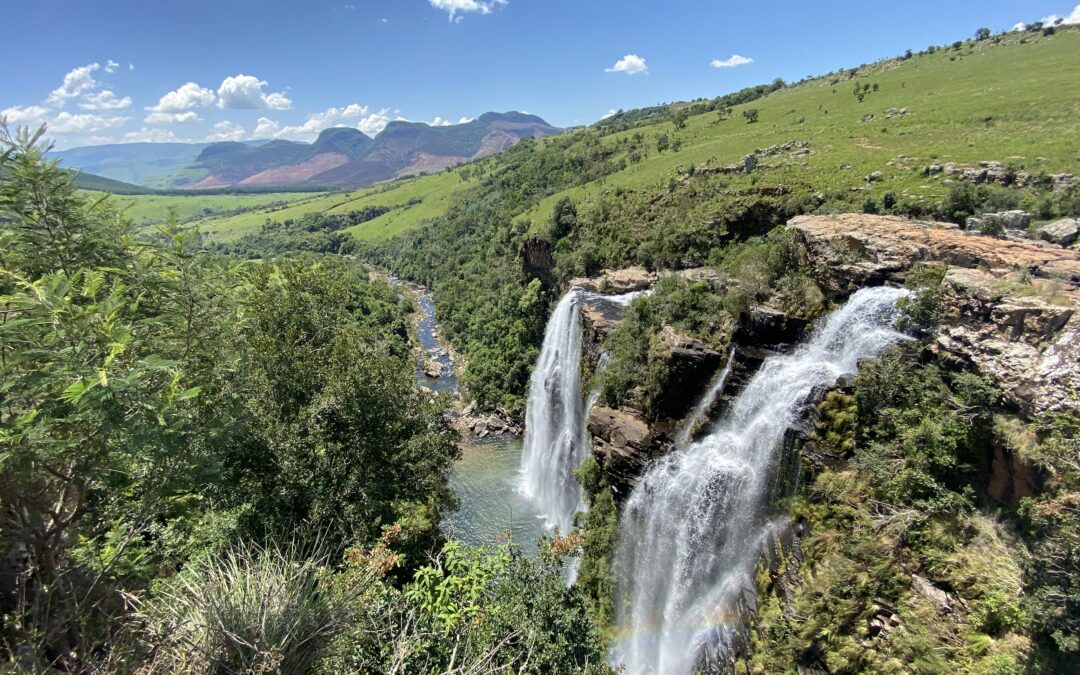
Lisbon Falls: having been associated with both the Portuguese capital and after Lisbon Creek and situated on a farm also named Lisbon, this waterfall stands as one of the highest in Mpumalanga, with water cascading 94 meters into a stunning gorge.

The falls are not only a natural wonder but also offer an ideal spot for photography and sightseeing. The well-maintained area allows visitors to immerse themselves in the beauty of the falls without disturbing the surrounding ecosystem, making it a must-visit attraction along the Panorama Route.

Berlin Falls: Sharing its name with the German capital, Berlin Falls is a mesmerizing sight, with water plunging dramatically off a cliff into a deep pool below. Surrounded by lush natural flora, this waterfall attracts nature lovers and photographers alike.

The area’s preservation efforts ensure that tourism doesn’t negatively impact the environment, making Berlin Falls a pristine and captivating stop for anyone exploring the region.

Mac Mac Falls: Historically significant and named after the Scottish miners who once worked the goldfields in the area, Mac Mac Falls features twin waterfalls plunging side by side. Declared a national monument, the falls are a popular attraction due to their unique formation and rich history.

Developed picnic areas and viewpoints enhance the visitor experience, providing ample opportunities to appreciate the falls while adhering to conservation efforts aimed at preserving the site for future generations.

Blyde River Canyon and Bourke’s Luck Potholes:

Blyde River Canyon, one of the largest green canyons in the world, is a vital conservation zone, known for its dramatic cliffs, scenic viewpoints, and rich biodiversity. Spanning 25 kilometers in length, the canyon is home to lush subtropical foliage, waterfalls, and diverse wildlife including primates, antelope, hippos, and the occasional predator. Birdwatchers will be delighted by the variety of bird species, including the rare Taita falcon and the African fish eagle.

Bourke’s Luck Potholes:

Another fascinating geological feature formed by centuries of swirling water at the confluence of the Treur and Blyde Rivers. Named after Tom Bourke, a prospector who believed the area held rich gold deposits in the late 1800s, these cylindrical potholes were created by the powerful erosive forces of water carrying pebbles and debris. Though Bourke never found his fortune in gold, the potholes became one of the most iconic natural attractions along the Panorama Route, showcasing stunning rock formations, deep pools, and intricate patterns carved into the sandstone over time.

Graskop Gorge Lift: The Graskop Gorge Lift Co. is one of the most exciting additions to Mpumalanga’s tourist attractions, offering a completely unique way to experience the natural beauty of the region. This glass elevator takes visitors 51 meters down the face of a cliff into the lush forest below, providing an immersive experience with a minimal environmental footprint. The lift allows visitors to transition from panoramic views at the top to a subtropical forest ecosystem at the base of the gorge in a matter of seconds.

Once at the bottom, visitors can explore a network of wooden walkways and suspension bridges that meander through the forest, offering the chance to discover cascading waterfalls, native plants, and wildlife in their natural habitat. Interpretive signs along the trails provide insights into the ecology and importance of this delicate forest environment, making it not only a scenic adventure but also an educational one.

For adrenaline seekers, Graskop Gorge also offers a thrilling zipline experience that spans across the gorge, providing unparalleled views of the waterfall and landscape below. There are also giant swings for those seeking a more intense rush of excitement. At the top of the lift, there’s a visitor centre with shops, restaurants, and viewpoints, offering a more relaxed way to enjoy the views for those who prefer to stay above the forest canopy.

Together, the Blyde River Canyon and Graskop Gorge Lift offer a blend of breathtaking landscapes, outdoor activities, and deep ecological significance, ensuring an unforgettable experience for every visitor.


 TRAVELLING WITH THE EXPERTS: GUIDED TOURS

For those who prefer not to travel alone or are looking for a guided experience, joining Buya Buya Travel and Tours’ Panoramic Tour is a game-changer, transforming your journey into a hassle-free, enriching adventure. While traveling alone can be a thrilling experience, it comes with its set of challenges—navigating unfamiliar roads, planning each stop, ensuring safety, and possibly missing out on hidden gems known only to locals. Buya Buya’s guided tours offer a range of benefits that make your exploration of the Panorama Route both relaxing and deeply fulfilling.

*A traditional route on Buya Buya’s itinerary 

Expert Guidance and Local Knowledge
One of the greatest benefits of traveling with Buya Buya is the wealth of knowledge their experienced guides bring to the tour. These local experts are not only familiar with the main attractions but they also share fascinating stories, cultural insights, and historical context that enrich your experience.

Comfort and Convenience
Forget the stress of renting a car, plotting routes, or worrying about fuel and road conditions. Buya Buya Travel and Tours take care of all the logistics, providing comfortable, air-conditioned transport that allows you to sit back, relax, and fully immerse yourself in the spectacular scenery.

No Missed Opportunities
Planning the perfect itinerary on your own can be daunting. Without local knowledge, it’s easy to miss out on hidden gems or mismanage your time, resulting in rushed visits to key attractions. Buya Buya’s Panoramic Tour is carefully curated to ensure you get the most out of your day. Their guides know the best times to visit each spot to avoid crowds, the secret viewpoints often overlooked, and how to maximize your experience, making sure you see all the iconic landmarks and some lesser-known treasures as well.

Safety and Peace of Mind
Traveling alone in unfamiliar areas can be daunting, especially when venturing off the beaten path. With Buya Buya, you can relax, knowing you’re in safe hands. Their guides are trained in first aid and have extensive knowledge of the area, road conditions, and weather patterns. This level of preparedness means that, in case of any unforeseen circumstances, you have a professional at your side to handle the situation.

A Personalized Experience
Buya Buya prides itself on offering personalised experiences. Their guides are approachable and eager to cater to the interests of their guests. Have a specific question about the flora or geology of the region? They’re always there to satisfy your curiosity. Want to take that extra photo at God’s Window? They’ll accommodate where possible. This level of flexibility ensures that, while you’re traveling with others, the experience still feels unique and tailored to your curiosity.

So, if you’re dreaming of exploring the breathtaking beauty of the Panorama Route without the pressure of going solo, let Buya Buya Travel and Tours be your trusted companion. 

We sincerely hope this blog has been the catalyst you’ve needed to come and explore the magic of Hoedspruit and all her surroundings have to offer. A natural springboard for action and adventure, you’re sure to get a fix, whether satisfying your craving for fun, life’s deepest questions or simply just your belly – come see for yourself , come and Visit Hoedspruit.

.


The Abel Erasmus Pass: Gateway to Natural Splendour & Self Discovery

The Abel Erasmus Pass: Gateway to Natural Splendour & Self Discovery

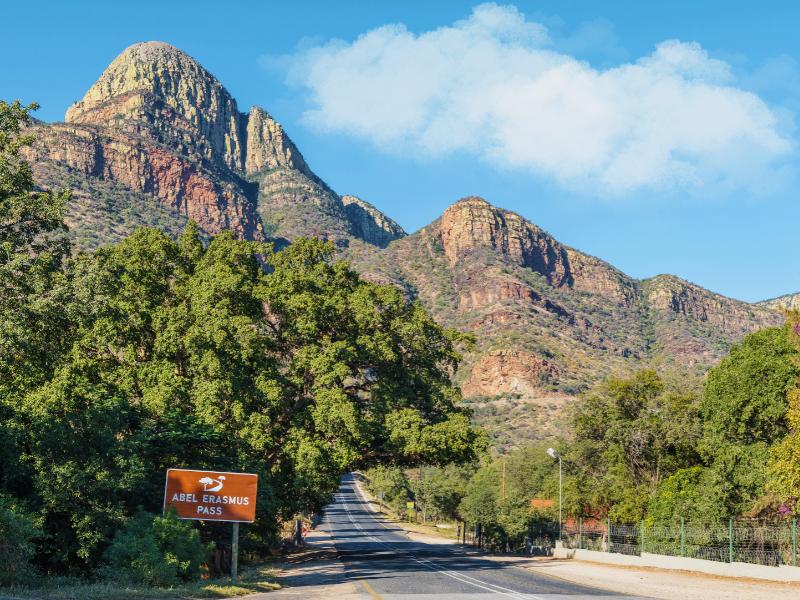
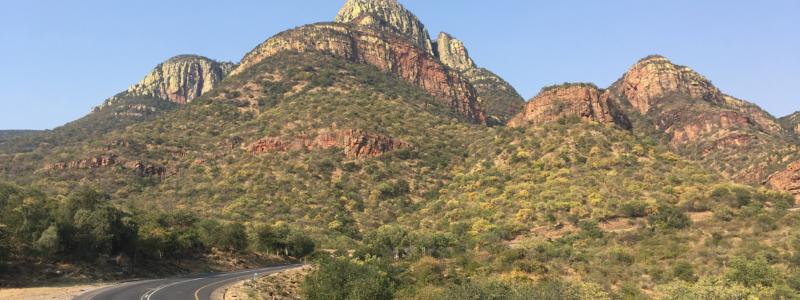
The Abel Erasmus Pass is one of South Africa’s most scenic and historically significant mountain passes. Nestled in the Drakensberg Escarpment, the pass connects the towns of Ohrigstad and Hoedspruit, offering breathtaking vistas and a rewarding journey through a tapestry of rich cultural heritage.

In this blog we’ll explore the pass’s history, geographical significance, and what travellers can expect when traversing this majestic route.

THE HISTORY BEHIND THE PASS:  

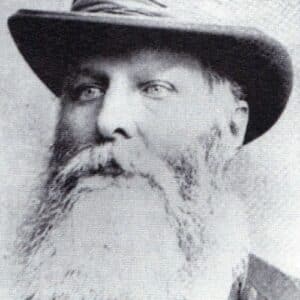
The Abel Erasmus Pass takes its name from Abel Jacobus Erasmus (1845-1912), a prominent and respected figure in South African history. Known for his leadership and integrity, Erasmus served as a member of the Volksraad, the parliament of the former Transvaal Republic. His legacy, however, transcends politics as He is celebrated today for his efforts in maintaining peace and fostering positive relationships between the Boers and the local indigenous tribes. His diplomacy and commitment to harmony helped bridge cultural divides, leaving a lasting impact on the region’s history .

Abel Jacobus Erasmus: A Pillar of the Lowveld (1845 – 1877)

Abel Jacobus Erasmus was born in 1845 in Weenen, Natal. Shortly after his birth, his father passed away, prompting his mother to join the Great Trek under Hendrick Potgieter, eventually settling in Ohrigstad. Abel spent much of his early life working on the family farm, honing his skills as a hunter and farmer. By the time he married at the young age of 19, he had already established himself as a proficient hunter and capable farmer.

After their marriage, Abel and his wife moved to Krugerpost, where his exceptional hunting skills quickly earned him the respect of the local community. He acquired property in the Graskop area, which turned out to be rich in gold. President Burgers of the Transvaal Republic purchased the land from him, recognizing its value.

In 1876, Abel was elected to the Lydenburg council and appointed field cornet during a period of tense confrontations with the Pedi, led by the formidable Sekhukhune. Although a peace agreement was eventually reached, these events culminated in the British annexation of the Transvaal in 1877. Following the annexation, both Sekhukhune and Erasmus were arrested by the British administration, based on accusations from Sekhukhune. They were both eventually released.

1881 and Beyond

After the successful outcome of the First Anglo-Boer War, Abel Erasmus was appointed Native Commissioner by the new Transvaal government. In this role, he served as a crucial intermediary between the government and the local populations. His duties often included assisting expeditions, such as the one that marked the borders between the South African Republic, Portuguese East Africa, and Swaziland.

Erasmus was highly respected among the local groups in the Lowveld. Known for his firm but fair approach, he adeptly managed hostilities and maintained peace. His prowess as a hunter earned him the nickname “Dubula Duze,” meaning “he who shoots from close up,” a testament to his skill in taking down game from short distances.

Abel Erasmus remains a significant figure in the early history of the Lowveld, remembered for his role as a vital link between the Boer government, the British, and the local African communities. His contributions to the region’s development and his efforts in fostering peaceful relations have left an enduring legacy.

The construction of the pass itself was part of a larger initiative to improve infrastructure and facilitate trade and movement within the region. During the gold rush era, routes like the Abel Erasmus Pass were vital in connecting the interior goldfields with the coastal ports. The pass allowed for the transportation of goods and people, significantly contributing to the economic development of the area.

    GEOGRAPHICAL FEATURES:  

    Modernised construction began in the 1950s and was completed in the 1960s to improve access between the towns of Tzaneen and Lydenburg (now Mashishing), facilitating the transportation of goods / products (mostly agricultural and mining related in nature) through the Drakensberg Escarpment.

    The pass spans approximately 30 kilometers, winding through the rugged terrain of the Drakensberg Escarpment. The elevation reaches up to 1,200 meters, offering spectacular views of the Blyde River Canyon, one of the largest canyons in the world. The pass also provides a gateway to the Kruger National Park, making it a popular route for tourists heading to this famous wildlife reserve.

    Travelers on the pass can witness diverse flora and fauna, including indigenous plant species and wildlife such as antelope, baboons, and various bird species. The geological formations visible from the pass are equally impressive, showcasing the dramatic cliffs and deep gorges that characterize the Drakensberg region.

       TRAVEL TIPS AND HIGHLIGHTS: 

      Best Time to Visit: The Pass can basically be enjoyed all year-round, and there are two schools of thought here. For me personally though, I love the area post the major rains which happens between the months, November to March. The hills come alive and are lush, and with water levels replenished, the waterfalls are often in full splendour.

      Popular perception however, is that the best time to experience the pass and its surrounds is in the dryer months (May to September) when the weather is cooler and more stable. Golden hues dominate as the bushveld beckons. 

      Scenic Stops: There are several lookout points along the pass where travellers can stop and take in the panoramic views. The J.G. Strijdom Tunnel, an iconic landmark, is a must-see.

      Named after former South African Prime Minister Johannes Gerhardus Strijdom, it was inaugurated on May 8, 1959, along with the nearby pass and is a remarkable engineering feat that spans 133 meters.

      A popular stop for tourists traveling through, the roadside is bustling with vendors and artisans selling souvenirs to visitors who’ve come to admire the tunnel, the Kadishi Tufa Waterfall, or to capture photographs of the Olifants River below. *Don’t forget to honk your horn!

      Wildlife and Nature: Keep an eye out for wildlife and enjoy the rich biodiversity of the area! The pass cuts through the Blyde River Canyon Nature Reserve (also known as the Matlatse Canyon Provincial Nature Reserve), providing ample opportunities for nature enthusiasts and adventure seekers.

      Safety Tips: The road can be challenging due to its winding nature and steep inclines. It’s advisable to drive cautiously, especially during rainy and misty conditions when the road can become slippery and visibility poor.

      The road surface itself is in relatively good condition (considering), but patience is advised as there are often trucks with loads making use of the pass, so have your wits about you and obey the road signs.


      ACTIVITIES AND ATTRACTIONS NEARBY:

      Blyde River Canyon: Explore the third largest canyon in the world, with numerous hiking trails, boat tours, and breathtaking viewpoints such as the Three Rondavels.

      Kruger National Park: One of Africa’s largest game reserves, offering unparalleled wildlife viewing experiences. The pass provides convenient access to the park’s Phalaborwa and Orpen Gates.

      Cultural Tours: Learn about the local Pedi culture through guided tours that offer insights into the region’s history, traditions, and crafts.

      Adventure Activities: For thrill-seekers, the area offers activities such as hiking, hot air ballooning quad bike safaris / trails boat cruises and so much more.

      Be sure to check out our activity page for more information

      In Closing…

      To Hoedspruit locals (and many will attest to this), the Abel Erasmus Pass is more than just a route – especially when returning from Johannesburg or a major city on business or otherwise. It’s a process of decompressing, realigning and syncing one’s heart and soul with that of the bushveld – a spiritual bonding of sorts, a tonic for the soul.

      Once you’ve passed through the Strydom Tunnel it’s as if a weight has been lifted off your shoulders, clarity of thought has returned and a sense of peace established. So, whether you’re a history buff, nature lover, or adventure enthusiast, this pass has something to offer for all. 

      Be sure to get in touch with us and we’ll gladly share the magic of the lowveld with you!

      The Lure of the Lowveld: Hoedspruit’s spiritual heartbeat

      The Lure of the Lowveld: Hoedspruit’s spiritual heartbeat

      Woven into the fabric that is South Africa, the Lowveld is a region that captivates the heart with its stunning landscapes, rich biodiversity, and profound cultural heritage. This area, often overshadowed by its more “famous” neighbours, is a treasure trove of natural beauty and adventure waiting to be explored.

      But what exactly is the Lowveld, and why does it hold such a special place in the hearts of Hoedspruiters and South Africans in general?

      UNPACKING THE TERM: LOWVELD

      A compound word made up of “low” (meaning situated near the ground) and “veld” (an Afrikaans term for open, uncultivated grassland common in Southern Africa).

      Together, “Lowveld” describes the low-lying grassland areas found between the Drakensberg and Lebombo Mountains in Northeastern South Africa. This term highlights the region’s characteristic low altitude and its expansive, grassy terrain.

      This region spans portions of both the Mpumalanga and Limpopo provinces and is characterised by its subtropical climate, lush vegetation, and diverse wildlife. Derived from its geographical position its name signifies that it is much lower in altitude to that of the Highveld, which is the elevated plateau that dominates a healthy chunk of the central part of our country.

      The Lowveld’s geography is a canvas of contrasting features—from sprawling savannahs and dense forests to rolling hills and winding rivers. With hot, wet summers and mild, dry winters, its a year-round paradise for nature lovers and adventurers alike.

      WikiMedia Commons: “Lowveld map 1” by AranErens is licensed under CC BY-SA 3.0. Creative Commons Attribution-Share Alike 3.0 Unported.

      A BIODIVERSITY HOTSPOT: 

      Our Crown Jewel: The Kruger National Park

      One of the most remarkable aspects of the Lowveld is its incredible biodiversity. As it is home to the renowned Kruger National Park ,one of the largest and most famous game reserves in Africa. Visitors are often treated to the majesty of the Big Five (lion, leopard, rhino, elephant, and  buffalo) roaming freely in their natural habitat and boasting over 500 bird species its a spectacular treat for birders and nature enthusiasts alike. 

      The area stretches over nearly 20,000 square kilometers, offering unparalleled vistas and wildlife interactions that will sit fondly in the memory bank for years to come. So whether you’re embarking on a self-drive safari or a guided tour, the thrill of spotting a lion pride on the prowl or elephants at a watering hole is an experience like no other.

      Private Game Reserves

      Beyond Kruger, the Lowveld is dotted with numerous private game reserves and wildlife sanctuaries. These conservation areas play a crucial role in protecting endangered species and promoting sustainable tourism, ensuring that future generations can enjoy the region’s natural wonders. Reserves like Sabi Sands, Timbavati, and Manyeleti offer exclusive safari experiences, often with the added luxury of private lodges and expert guides.

      Birdwatching Paradise

      Spot the rare Pel’s Fishing Owl along some of our most famous rivers banks or marvel at the colorful Narina Trogon in the dense Afromontane forests of our grand Mariepskop.

      The Lowveld’s blend of savannas, woodlands, and wetlands is not just for seasoned birders, this region offers an immersive experience where local experts offer guided birding tours for unparalleled photographic opportunities, making it a must-visit destination for any nature lover.

        THE SPIRITUAL SIGNIFICANCE OF THE BUSHVELD

        For many South Africans, the bushveld holds deep spiritual significance. The connection to the land is rooted in centuries-old traditions and beliefs. The vast, open landscapes, punctuated by the iconic silhouettes of Baobab and Marula trees, evoke a sense of peace and connection to nature.

        Nature’s Symphony

        In the bushveld, the rhythms of life are governed by the natural world. The sunrise and sunset mark the passage of time, and the sounds of wildlife create a symphony that resonates with the soul. Many locals and visitors alike find solace and rejuvenation in these serene surroundings, far removed from the hustle and bustle of urban life.

        Cultural Heritage

        The Lowveld is not only a haven for wildlife but also a region rich in cultural heritage. It is home to numerous archaeological sites and rock art from the San people, providing a glimpse into the ancient history of the area. These historical treasures offer insight into the lives of early inhabitants and their relationship with the environment.

        Modern-day communities in the Lowveld continue to celebrate their cultural traditions through vibrant markets, traditional crafts, and local festivals. Visitors have the opportunity to engage with these communities, gaining a deeper understanding of their way of life and the enduring connection between people and the land.

          ADVENTURE AWAITS:

          For those seeking adventure, the Lowveld does not disappoint. The region offers a plethora of activities, from exhilarating game drives and hot air balloon rides to quad biking adventures and hiking trails. Take your pick…

          The panorama route, a scenic drive that includes breathtaking viewpoints like God’s Window, Blyde River Canyon, and Bourke’s Luck Potholes, is a must-visit for anyone exploring the area.

          Safari Adventures

          No visit to the Lowveld would be complete without embarking on a safari. Whether you prefer the rugged experience of a 4×4 game drive or the intimacy of a walking safari (bush walk),the options are endless. Guided tours provide more heightened, experiential value, offering local insights and first hand accounts into the behavior and ecology of the fauna and flora you’re currently immersed in.


          VISITING HOEDSPRUIT: THE HEART OF THE LOWVELD

          Hoedspruit serves as the perfect gateway for exploring this enchanting region. Known for its friendly atmosphere and strategic location, Hoedspruit offers a blend of convenience and charm, making it an ideal base for all your adventures.

          Why Hoedspruit?

          Hoedspruit is more than just a town; it’s a community that embodies the spirit of the Lowveld. Surrounded by game reserves and natural attractions, it provides easy access to some of the region’s most iconic sites. Whether you’re staying in a luxury lodge, a cozy guesthouse, or a self-catering chalet, you’ll find accommodations to suit every preference and budget.

          So, the next time you’re planning an escape, consider the Lowveld—South Africa’s hidden gem that promises an unforgettable experience. And when you do, make sure to get in touch with VisitHoedspruit.com to make the most of your journey into this enchanting land.


            Family-Friendly Hoedspruit: Things to Do with Kids

            Family-Friendly Hoedspruit: Things to Do with Kids

            Hoedspruit is one of the easiest safari destinations in South Africa for families. It’s a short flight from Johannesburg, the Kruger is on the doorstep, and in between game drives there are wildlife centres, play parks, farm stalls and kid-friendly restaurants to fill the days.

            In short: mix a family-friendly safari with short, hands-on outings like a wildlife rehabilitation centre, the reptile centre or a Blyde River boat trip. Build in pool time and plan around the midday heat.

            Going on safari with kids

            • Choose a family-friendly lodge. Many lodges in the private reserves set minimum ages for game drives and bush walks, while others welcome children with family rooms, private vehicles and kids’ programmes. Ask before you book, or browse accommodation in Hoedspruit.
            • Kruger day trips work well with children in a closed or private vehicle at your own pace. See Hoedspruit to Kruger.
            • Keep drives short for young children, and pack snacks, water and binoculars of their own.

            Wildlife and conservation outings

            • Moholoholo Wildlife Rehabilitation Centre: guided tours of a centre that cares for injured and orphaned animals, from vultures to big cats, with lots of stories older children love.
            • Hoedspruit Endangered Species Centre (HESC): guided tours focused on cheetahs and other endangered species, and the conservation work behind them.
            • Hoedspruit Reptile Centre: snakes, crocodiles and other reptiles up close, with expert handlers. Kids leave knowing far more about snake safety.
            • Blyde River boat trips: a cruise on the dam beneath the Blyde River Canyon’s cliffs, with hippos, crocodiles and spectacular scenery.
            • Sound safaris: learn to listen to the bush. Read our story on sound safaris.

            Play parks and kid-friendly food

            • The Bosveld Village: a play and water park for younger children, with climbing walls, slides, a splash area and a café for parents.
            • Tiny Town: a role-play town for toddlers and young children at the Driehoek centre, with shops and coffee nearby. Read our Tiny Town story.
            • Farm stalls with play areas: several padstalls around town have petting animals and space for kids to run.
            • Restaurants: many of Hoedspruit’s cafés have play areas. See where to eat in Hoedspruit.

            Culture, nature and learning

            • Nourish Eco Village: permaculture, recycling and community projects, where children can get their hands dirty. Read our story.
            • Nyani Cultural Village: music, dance, drumming and storytelling that bring local culture to life.
            • Stargazing: Hoedspruit’s dark skies are perfect for a family night out. See stargazing under African skies.
            • Birding: give the kids a checklist and see who spots the most. Start with our beginner’s birding guide.

            Practical tips for families

            • Malaria: Hoedspruit is in a low-risk, seasonal malaria area. Children are more vulnerable, so speak to your doctor about the right protection for each child, and use repellent, long sleeves and nets. Read our medical essentials guide.
            • Heat: plan outings for mornings and late afternoons in summer, with pool time in between.
            • Medical care: Hoedspruit Private Hospital opened in town in late 2024.
            • Timing: South African school holidays are busy, so book early. See the best time to visit.
            • Safety: read our Hoedspruit safety guide.

            Family-friendly Hoedspruit: FAQs

            Is Hoedspruit good for kids?

            Yes. It’s compact, close to the airport and full of short, hands-on wildlife outings that suit children.

            What age can children go on game drives?

            It depends on the lodge. Many private reserve lodges set a minimum age, while family-friendly lodges and private vehicles welcome younger children. Always check before booking.

            What’s there to do with toddlers?

            The Bosveld Village play park, Tiny Town, farm stalls with animals, and short game drives or Kruger loops.

            Last checked October 2026. Opening times and age limits change, so check with each venue.

            THE ULTIMATE FAQ GUIDE: Everything You Need to Know Before Visiting Hoedspruit

            THE ULTIMATE FAQ GUIDE: Everything You Need to Know Before Visiting Hoedspruit

            Hoedspruit is located in the Limpopo Province of South Africa, in the northeastern section close to the border with Mpumalanga. It lies at the foot of the Klein Drakensberg, a segment of the greater Drakensberg Mountain range, which contributes to its stunning natural scenery.

            Our quaint little town is well known as the Safari Capital of the Lowveld and is a popular destination for both local and international tourists, especially those interested in safaris and wildlife experiences.

            In this ultimate guide, we’ll dive into the most frequently asked questions about visiting Hoedspruit, from practical travel tips and accommodations to cultural insights and safety advice.

            Designed to help both first-time visitors and seasoned travellers, this FAQ guide aims to equip you with all the necessary information to make the most of your stay in this unique part of South Africa.

            Visitor information checked on 5 September 2026. Confirm prices, access, operating times and travel requirements directly before booking or travelling.

            Last reviewed October 2026 by the Visit Hoedspruit team, based in Hoedspruit.

            Getting here & getting around

            What is Hoedspruit known for?

            Hoedspruit is a small bushveld town in Limpopo that sits right on the doorstep of the Greater Kruger. Most people know it as the gateway to private game reserves like Timbavati, Klaserie, Balule and Thornybush, but it’s also a working farm town built on citrus and mango orchards, with a strong conservation community and the Drakensberg escarpment on the horizon. It’s where safari-goers stop for supplies, coffee and a proper meal between game drives.

            How do I get to Hoedspruit?

            You can fly or drive. Airlink flies into Hoedspruit’s Eastgate Airport (HDS), about an hour from Johannesburg, and there are also direct flights from Cape Town. By road, it’s roughly 470 km from Johannesburg (about 5 to 6 hours with a fuel and coffee stop), either via Dullstroom and the Panorama Route or via Polokwane. See our full guide on how to get to Hoedspruit.

            How do I get from the airport to my lodge?

            Most lodges in the Timbavati, Klaserie, Balule and Thornybush reserves are 30 to 90 minutes from Eastgate Airport, much of it on gravel. Some lodges include a transfer, but many don’t, so check when you book. Pre-booked private transfers are the easiest option, and local operator Buya Buya Travel & Tours runs transfers from Hoedspruit, Kruger Mpumalanga International (MQP) and Johannesburg airports.

            Do I need a rental car in Hoedspruit?

            Not if you’re staying at an all-inclusive safari lodge, because your game drives, meals and usually your transfers are handled for you. A car makes sense if you’re self-catering, staying in town, or planning to explore Kruger and the Panorama Route on your own. Hire cars are available at Eastgate Airport, but book ahead in school holidays.

            What are the roads like around Hoedspruit?

            The main R40 and R527 are tarred but potholed in places, so keep your speed sensible. Roads into the private reserves are mostly gravel and can get rough after summer rains. Avoid driving at night: animals, livestock and pedestrians on unlit roads are a real hazard. Fill up in town, because fuel stations thin out quickly once you leave Hoedspruit.

            How many days should I spend in Hoedspruit?

            Three or four nights is the sweet spot. That gives you at least four game drives at a private reserve, plus a day for Kruger itself, the Blyde River Canyon or one of the wildlife centres. With a week, you can split your stay between a lodge and a self-catering base in town.

            Kruger & safaris

            Can I visit Kruger National Park from Hoedspruit?

            Yes. Kruger is right next door. Orpen Gate is about an hour’s drive and Phalaborwa Gate about the same, while Paul Kruger Gate near Skukuza is around two hours. Gate times change with the seasons, so plan to be at the gate when it opens for the best sightings. Compare the options in Orpen vs Phalaborwa Gate, or join a guided Kruger day tour from Hoedspruit.

            What’s the difference between Kruger National Park and the Greater Kruger?

            Kruger National Park is run by SANParks and is mostly self-drive on public roads. The Greater Kruger is a network of private reserves along Kruger’s western boundary, with no fences between them and the park, so the animals move freely. In the private reserves you’re guided in open vehicles, rangers can go off-road to follow sightings, and night drives and bush walks are possible, none of which you can do on your own in the national park.

            Which private game reserves are near Hoedspruit?

            Timbavati, Klaserie, Balule and Thornybush all border Hoedspruit and are open to Kruger. Closer to town are Kapama and Karongwe. Every reserve has its own character, from big-name luxury lodges to small, owner-run bush camps. Browse Greater Kruger lodges or see all your options on where to stay in Hoedspruit.

            Can I visit Hoedspruit without booking a safari lodge?

            Absolutely. Stay in a guesthouse or self-catering unit in town and book activities as you go: a Kruger day tour, the Hoedspruit Endangered Species Centre, Moholoholo, the Hoedspruit Reptile Centre or a Blyde boat cruise. It’s often the best-value way to see the area.

            What wildlife can I see near Hoedspruit?

            The Big Five (lion, leopard, elephant, buffalo and rhino) are all here, along with cheetah, African wild dog, hippo, giraffe, hyena and huge herds of plains game. The area is also excellent for birding, with more than 350 species including the endangered southern ground hornbill. Find out more about birding in Hoedspruit.

            What should I do if I come across wild animals?

            Stay in your vehicle in Kruger and on reserve roads, keep your distance, keep your voice down and never feed animals, including the monkeys and baboons at picnic spots. On a guided walk or drive, always follow your ranger’s instructions. In town, warthogs, antelope and even the odd elephant on the R40 are part of life, so slow down and give them space.

            When to go

            What is the best time of year to visit Hoedspruit?

            It depends what you want. The dry winter months (May to September) are classic game-viewing season: thin bush, animals gathering at water, and cool, clear days. The green season (November to March) brings lush landscapes, newborn animals, migrant birds, dramatic storms and lower lodge rates. Read our best time to visit guide and why green season safaris are underrated.

            What’s the weather like?

            Summers are hot, often in the mid-30s °C, with afternoon thunderstorms between November and March. Winter days are warm and sunny, but early mornings on an open game vehicle can be close to freezing, so pack layers. The best time to visit guide has a month-by-month breakdown.

            Health & safety

            Is Hoedspruit safe for tourists?

            Hoedspruit is a small, close-knit town and generally a relaxed place to visit. Use ordinary common sense: don’t leave valuables on view in your car, use ATMs inside shopping centres, and avoid walking alone at night. Read more on safety in Hoedspruit.

            Is Hoedspruit a malaria area?

            Yes. Hoedspruit and the Greater Kruger lie within South Africa’s malaria area. Transmission is seasonal, and the risk is highest in the wet summer months from September to May. Advice on preventive tablets differs: the US CDC recommends them for the Kruger area all year round, while South Africa’s national guidelines recommend deciding on each traveller’s individual risk (season, length of stay and type of accommodation). The options are atovaquone-proguanil (sold locally as Malanil), doxycycline and mefloquine, and not all of them are suitable for children or during pregnancy. South African guidelines advise pregnant women to avoid malaria areas, and young children need specialist advice. Speak to a travel clinic or your doctor before you travel. Whatever you decide, avoid bites: use repellent, cover up at dusk and sleep under a net or with the air-con on. If you develop a fever or flu-like symptoms after your trip, see a doctor straight away and tell them you’ve been in a malaria area. Read our malaria safety guide.

            Do I need vaccinations to visit Hoedspruit?

            The only vaccination South Africa can require is yellow fever. If you’re aged one or older and arriving from a country with a risk of yellow fever, or have spent more than 12 hours transiting through an airport in one, you must show a valid yellow fever certificate. The vaccine must be given at least 10 days before you arrive, and certificates are valid for life. Without one, you can be refused entry or quarantined. Otherwise, make sure your routine vaccinations (including measles) are up to date, and ask a travel clinic 4 to 6 weeks before you leave whether you need others, such as typhoid, hepatitis A or rabies, depending on your plans. See also medical essentials for safari.

            What medical care is available in Hoedspruit?

            Hoedspruit Private Hospital, which opened in late 2024, provides hospital care right in town, and there are GPs, pharmacies and private ambulance services too. Some serious cases may be transferred to larger hospitals in Mbombela (Nelspruit) or Polokwane, so make sure your travel insurance covers medical evacuation. In an emergency, dial 112 from a mobile or 10177 for an ambulance, and keep our emergency and medical contacts handy.

            Can I drink the tap water in Hoedspruit?

            It varies. Many lodges and homes run on borehole water, and quality and supply differ from property to property. Ask your host whether their tap water is drinkable. If in doubt, stick to bottled or filtered water, which is easy to buy in town.

            Are there any other health risks to know about?

            Tick bite fever is common in the bushveld. After bush walks or time in long grass, check yourself for ticks, and see a doctor if you develop a fever, headache or a dark scab at a bite site in the following days. The sun is fierce, especially in summer, so drink plenty of water and use high-factor sunscreen.

            Visas, money & practical tips

            Do I need a visa to visit South Africa?

            Many nationalities, including UK, US and Canadian passport holders and most EU citizens, can visit visa-free for up to 90 days, but the rules differ by country, so check the official Department of Home Affairs list for your passport. Your passport should be valid for at least 30 days after you leave South Africa and have two blank pages.

            What currency is used, and are cards accepted?

            South Africa uses the rand (ZAR). Cards are accepted almost everywhere in town and at lodges, and there are ATMs at the main shopping centres. Carry some cash for tips, market stalls and small purchases.

            How much should I tip in Hoedspruit?

            In restaurants and bars, 10 to 15% is standard. Fuel attendants and car guards are usually given R10 to R20. On safari, tipping your guide and tracker is customary: as a rough guide, R150 to R300 per guest per day for your guide and R100 to R150 for your tracker, plus a contribution to the general staff tip box at checkout. Lodges often suggest amounts, so ask if you’re unsure.

            What is mobile and internet coverage like?

            Vodacom and MTN coverage is good in town, but it drops off quickly in the reserves, which is part of the charm. Most lodges have Wi-Fi in the main areas. Local SIMs and eSIMs are easy to buy at the airport or in town.

            What languages are spoken in Hoedspruit?

            English is spoken everywhere you’re likely to go. You’ll also hear Afrikaans, Sepedi and Xitsonga. A friendly “dumela” (Sepedi for hello) goes a long way.

            Are there local rules visitors should know about?

            We drive on the left, the legal drinking age is 18 and seatbelts are compulsory. Drones are not allowed in Kruger National Park, and most private reserves don’t permit them without permission. Speed limits in Kruger (50 km/h on tar, 40 km/h on gravel) are strictly enforced, and you must stay in your vehicle except at designated spots.

            What should I pack?

            Neutral-coloured clothing (avoid bright white and blue on game drives), a warm jacket and beanie for winter mornings, sunscreen, a hat, insect repellent, binoculars and a camera with a decent zoom. Pack soft bags rather than hard suitcases if you’re flying in a light aircraft. More tips in our beginner’s guide to travelling to Hoedspruit.

            Things to do, eat & shop

            What are the top things to do in Hoedspruit?

            Beyond game drives: watch rehabilitated animals up close at the Hoedspruit Endangered Species Centre and Moholoholo, cruise the Blyde River Canyon dam, drive the Panorama Route, take a hot-air balloon flight over the bushveld, or learn about local snakes at the Hoedspruit Reptile Centre. See everything in what to do in Hoedspruit.

            Can I combine a safari with the Panorama Route?

            Yes, it’s one of the best pairings in South Africa. The Blyde River Canyon, God’s Window, Bourke’s Luck Potholes and the Three Rondavels are all within an easy day trip of Hoedspruit. Do it as a guided Panorama Route tour or self-drive on the way in from Johannesburg.

            Is Hoedspruit good for families with young children?

            Very. The wildlife centres, reptile centre, Blyde boat cruise and farm-town pace suit families well. Note that many private lodges have minimum ages for game drives (often 6 or 12), so look for family-friendly lodges or book a private vehicle. See our guide to things to do with kids in Hoedspruit.

            Where can I eat in Hoedspruit?

            For a small town, Hoedspruit punches above its weight. Expect relaxed coffee shops, wood-fired pizza, proper bushveld burgers, Indian food, sushi nights and spots overlooking the bush, most of them locally owned. Browse restaurants in Hoedspruit.

            Are there vegetarian and vegan options?

            Yes. Most restaurants in town have vegetarian dishes, and vegan options are increasingly common. Safari lodges will cater for dietary requirements if you let them know when you book.

            What’s the nightlife like?

            Low-key, which is just how most visitors want it, with 5am game drive wake-ups. Expect sundowners, a few relaxed bars, sports on the big screen and the occasional live music night. Check what’s on in Hoedspruit for current events.

            Where can I shop, and what souvenirs should I bring home?

            The main centres in town cover groceries, pharmacies, outdoor gear and gifts, and the farmers market on the first Saturday of each month is the best place for local produce and crafts. Good souvenirs include local art and beadwork, bushveld honey, biltong (check your home country’s import rules) and safari clothing. See shop local.

            Community & conservation

            Are there community-based tourism experiences?

            Yes. Projects such as Nourish Eco Village connect visitors with surrounding communities through village visits, cultural experiences and food gardens. Choosing these experiences puts money directly into the communities that live alongside the reserves.

            Can I volunteer with wildlife in Hoedspruit?

            Several rehabilitation and conservation centres in the area offer volunteer programmes, usually for a minimum of one to two weeks. Choose organisations that focus on genuine rehabilitation and release, and avoid any that offer cub petting or walking with captive predators.

            What conservation challenges does the area face?

            Rhino poaching remains the biggest threat, alongside habitat loss and human–wildlife conflict on the edges of the reserves. Hoedspruit is home to anti-poaching units, wildlife vets and research teams working on these issues every day.

            How can I support conservation while I’m here?

            Book with lodges and operators that contribute to anti-poaching and community work, visit genuine rehabilitation centres, buy local, and respect park rules. You can also support local causes directly. See Hoedspruit good causes.

            Still have a question?

            We’re based in Hoedspruit and happy to help. For airport transfers, Kruger day tours and help putting a trip together, contact our local partner Buya Buya Travel & Tours.