Bushveld Birding Season: Summer Migrants in Hoedspruit
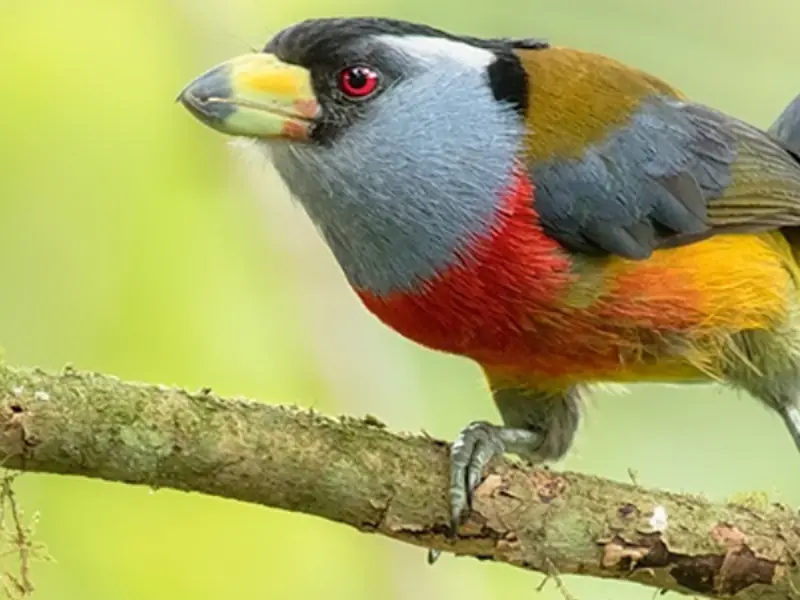
Every year, around October and November, the skies over Hoedspruit fill with new voices. Summer migrants arrive from as far away as Europe and Central Asia to join the area’s resident birds, and the bushveld becomes one of the most rewarding birding destinations in southern Africa.
In short: the summer birding season runs from about October/November to March/April. Hoedspruit’s mix of savanna, river and mountain habitats means a single day can produce a remarkable species list, especially with a local guide.
Why Hoedspruit is so good for birds
Few places pack so many habitats into such a small area. Within a short drive you have the savanna of the Greater Kruger, the rivers and dams of the Lowveld, and the forested slopes of the Klein Drakensberg escarpment and Mariepskop. Each holds different species. Add the summer migrants and it’s easy to see why birders rate the area so highly. Read more in Hoedspruit, a world-renowned birding spot.
Summer migrants to look out for
From Europe and Asia
- European roller: a flash of turquoise on dead branches along the roads.
- European bee-eater: often heard before seen, with a liquid, bubbling call high overhead.
- Amur falcon and lesser kestrel: small falcons that travel thousands of kilometres to hunt insects here.
- Steppe buzzard: a common summer raptor perched on poles and dead trees.
- Barn swallow: huge numbers over open grassland and water.
- Red-backed shrike and Eurasian golden oriole: rewarding finds in the woodland.
From elsewhere in Africa
- Woodland kingfisher: its trilling call is the soundtrack of a Lowveld summer.
- Southern carmine bee-eater: a stunning pink-red bee-eater, often in groups.
- Wahlberg’s eagle and yellow-billed kite: two of the first raptors to arrive.
- African paradise flycatcher: males trail long orange tail streamers through the trees.
- Cuckoos: Diderick, Klaas’s, Jacobin and red-chested cuckoos announce themselves loudly, the red-chested with its famous “piet-my-vrou” call.
- Storks: Abdim’s and yellow-billed storks, sometimes in large flocks after rain.
Where to go birding around Hoedspruit
- Kruger National Park: rivers and rest camps, especially around Letaba and the Olifants. Plan your route with our Kruger gate guide.
- The private reserves: Timbavati, Klaserie, Balule and Thornybush, with guides who can stop for birds.
- Mariepskop and the escarpment: forest and mountain species you won’t find in the bush below. See Exploring Mariepskop Viewpoint.
- Your own garden: many Hoedspruit lodges and estates are excellent for birds, so take a coffee and binoculars outside at dawn.
Birding tips
- Start early. The first two hours after sunrise are the most active.
- Bring good binoculars (8x or 10x) and a field guide or app such as Roberts or Sasol.
- Learn a few calls. In summer you’ll hear many more birds than you see.
- Hire a local bird guide for a day. Ask us for recommendations.
- Beginners should start with our beginner’s guide to birding in Hoedspruit.
Birding in Hoedspruit: FAQs
When do the summer migrants arrive?
Most arrive between October and December and leave between March and April, though exact timing varies with the rains and the species.
Is Hoedspruit good for birding in winter?
Yes. Resident species are easier to see in the thinner winter bush, though you’ll miss the migrants.
Do I need a guide?
Not to enjoy the birds, but a local guide will find and identify far more species, especially by call.
More on the season: green season safaris and the best time to visit Hoedspruit.
Last checked October 2026.