Bushveld Birding Season: Summer Migrants in Hoedspruit

Bushveld Birding Season: Summer Migrants in Hoedspruit

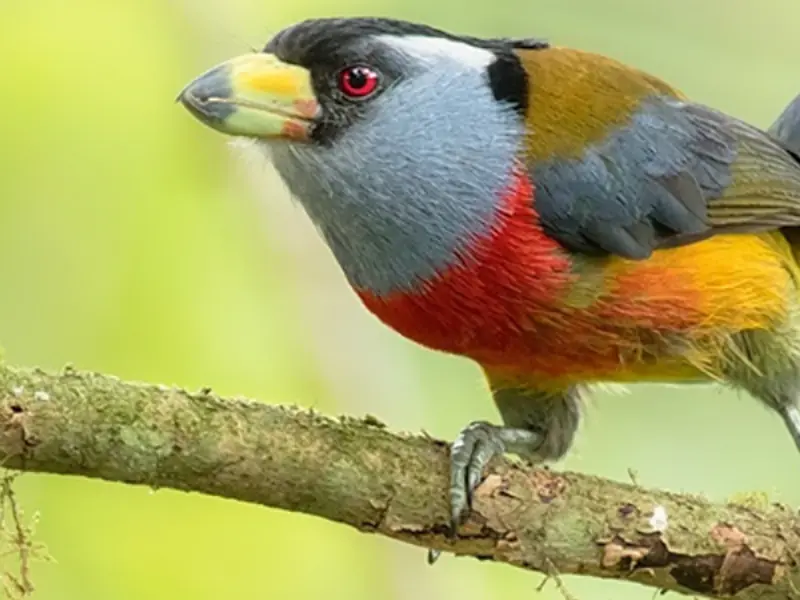
Every year, around October and November, the skies over Hoedspruit fill with new voices. Summer migrants arrive from as far away as Europe and Central Asia to join the area’s resident birds, and the bushveld becomes one of the most rewarding birding destinations in southern Africa.

In short: the summer birding season runs from about October/November to March/April. Hoedspruit’s mix of savanna, river and mountain habitats means a single day can produce a remarkable species list, especially with a local guide.

Why Hoedspruit is so good for birds

Few places pack so many habitats into such a small area. Within a short drive you have the savanna of the Greater Kruger, the rivers and dams of the Lowveld, and the forested slopes of the Klein Drakensberg escarpment and Mariepskop. Each holds different species. Add the summer migrants and it’s easy to see why birders rate the area so highly. Read more in Hoedspruit, a world-renowned birding spot.

Summer migrants to look out for

From Europe and Asia

  • European roller: a flash of turquoise on dead branches along the roads.
  • European bee-eater: often heard before seen, with a liquid, bubbling call high overhead.
  • Amur falcon and lesser kestrel: small falcons that travel thousands of kilometres to hunt insects here.
  • Steppe buzzard: a common summer raptor perched on poles and dead trees.
  • Barn swallow: huge numbers over open grassland and water.
  • Red-backed shrike and Eurasian golden oriole: rewarding finds in the woodland.

From elsewhere in Africa

  • Woodland kingfisher: its trilling call is the soundtrack of a Lowveld summer.
  • Southern carmine bee-eater: a stunning pink-red bee-eater, often in groups.
  • Wahlberg’s eagle and yellow-billed kite: two of the first raptors to arrive.
  • African paradise flycatcher: males trail long orange tail streamers through the trees.
  • Cuckoos: Diderick, Klaas’s, Jacobin and red-chested cuckoos announce themselves loudly, the red-chested with its famous “piet-my-vrou” call.
  • Storks: Abdim’s and yellow-billed storks, sometimes in large flocks after rain.

Where to go birding around Hoedspruit

  • Kruger National Park: rivers and rest camps, especially around Letaba and the Olifants. Plan your route with our Kruger gate guide.
  • The private reserves: Timbavati, Klaserie, Balule and Thornybush, with guides who can stop for birds.
  • Mariepskop and the escarpment: forest and mountain species you won’t find in the bush below. See Exploring Mariepskop Viewpoint.
  • Your own garden: many Hoedspruit lodges and estates are excellent for birds, so take a coffee and binoculars outside at dawn.

Birding tips

  • Start early. The first two hours after sunrise are the most active.
  • Bring good binoculars (8x or 10x) and a field guide or app such as Roberts or Sasol.
  • Learn a few calls. In summer you’ll hear many more birds than you see.
  • Hire a local bird guide for a day. Ask us for recommendations.
  • Beginners should start with our beginner’s guide to birding in Hoedspruit.

Birding in Hoedspruit: FAQs

When do the summer migrants arrive?

Most arrive between October and December and leave between March and April, though exact timing varies with the rains and the species.

Is Hoedspruit good for birding in winter?

Yes. Resident species are easier to see in the thinner winter bush, though you’ll miss the migrants.

Do I need a guide?

Not to enjoy the birds, but a local guide will find and identify far more species, especially by call.

More on the season: green season safaris and the best time to visit Hoedspruit.

Last checked October 2026.

Green Season Safaris in Hoedspruit: Why Summer Is Underrated

Green Season Safaris in Hoedspruit: Why Summer Is Underrated

When the first summer storms roll over the Drakensberg, the bush around Hoedspruit changes completely. Within days the dust settles, the grass shoots up and the bushveld turns a green you have to see to believe. This is the green season, roughly November to March, and locals will tell you it’s the most underrated time to go on safari.

In short: expect hot days, dramatic afternoon storms, thousands of newborn impala, the best birding of the year, beautiful light for photography, and lower lodge rates. The trade-off is thicker bush and slightly harder game viewing.

Why go on safari in the green season?

Baby animals everywhere

Impala time their births to the rains, so in late November and December hundreds of lambs appear across the Greater Kruger within a few weeks. Wildebeest, zebra, warthog and many others follow. All those young animals bring out the predators, and with them some of the most dramatic sightings of the year.

The best birding of the year

Summer migrants arrive from Europe and the rest of Africa: European rollers, woodland kingfishers, carmine bee-eaters, Wahlberg’s eagles and many more. Many resident birds put on their breeding colours too. Read our bushveld birding season guide.

Dramatic skies and beautiful light

Towering storm clouds, rainbows over the Drakensberg, lightning on the horizon and rain-washed air. It’s a photographer’s season.

Fewer people and better value

Outside the December festive season, the green season is quieter, and many lodges in the private reserves offer green-season specials.

What to expect

  • Thicker bush. Animals spread out because water is everywhere, and leaves make them harder to spot. A good guide makes all the difference.
  • Heat. Days are often above 30 °C, so game drives happen early and late, with a siesta in between.
  • Storms. Rain usually comes as short, heavy afternoon storms rather than all-day drizzle.
  • Mosquitoes. This is the higher-risk season for malaria in the Lowveld. Read our travel and medical essentials guide before you go.
  • Busy over the holidays. The weeks around Christmas and New Year are peak season, with full lodges and Kruger day-visitor quotas.

Tips for a green season safari

  • Stay in a private reserve such as Timbavati, Klaserie, Balule or Thornybush, where guides can drive off-road to follow sightings in thick bush. Browse accommodation in Hoedspruit and the Greater Kruger.
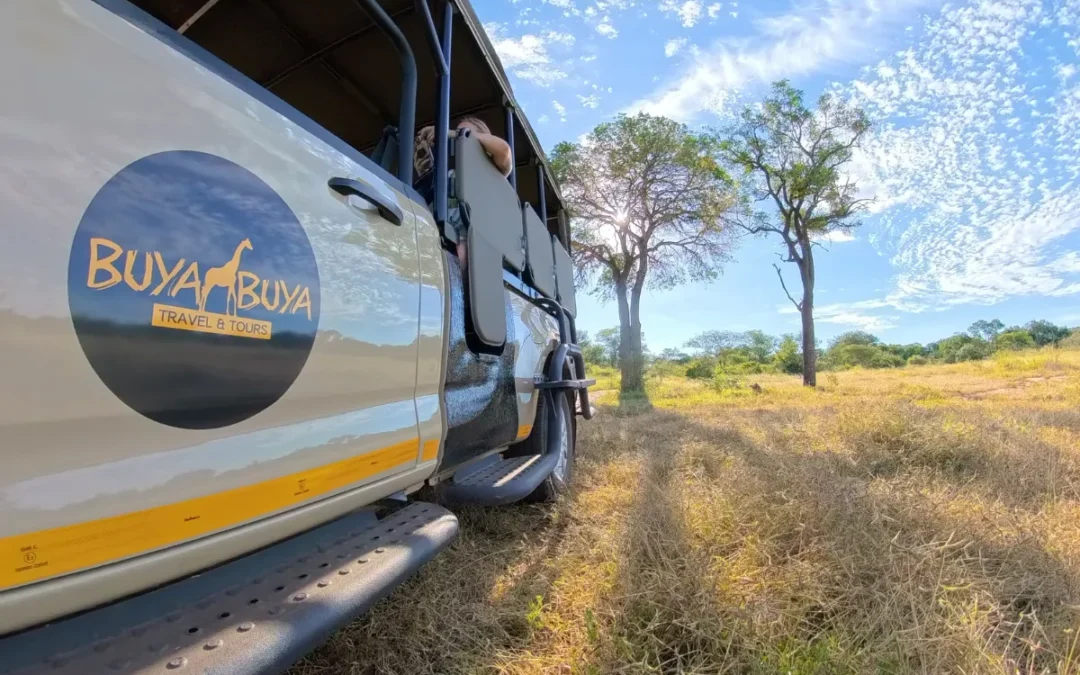
  • Book a guided Kruger day instead of self-driving, so you can look rather than drive. Buya Buya Travel & Tours, Visit Hoedspruit’s sister company, runs full-day Kruger safaris from Hoedspruit.
  • Pack a light rain jacket, breathable clothing, a hat and insect repellent.
  • Bring a zoom lens for birds and young animals in the long grass.
  • Visit the escarpment on a cloudy day. The Panorama Route waterfalls are at their fullest in summer.

Green season safaris: FAQs

When is the green season in Hoedspruit?

Roughly November to March, from the first summer rains until they ease off in autumn.

Is the green season a good time to see the Big Five?

Yes, though it takes a little more patience in thick bush. Staying in a private reserve with off-road driving helps a lot.

Will rain spoil my game drives?

Rarely. Storms usually arrive in the afternoon and pass quickly, and lodges provide ponchos.

Is it cheaper to visit in the green season?

Often, yes. Many lodges offer lower rates or specials outside the December holidays.

Planning around the weather? See our month-by-month guide to the best time to visit Hoedspruit.

Last checked October 2026.
Best Time to Visit Hoedspruit: Weather and Seasons Month by Month

Best Time to Visit Hoedspruit: Weather and Seasons Month by Month

There’s no bad time to visit Hoedspruit, only different ones. The dry winter months bring easy game viewing and cool, clear days. The wet summer months bring storms, newborn animals, emerald bush and the best birding of the year. Here’s what each season is really like, from people who live here.

The short answer: come in the dry season (May to October) for the easiest game viewing, or in the green season (November to March) for lush scenery, baby animals, summer birds and quieter lodges. April and October are the sweet spots in between.

Hoedspruit’s two seasons

Hoedspruit sits in the Lowveld at the foot of the Klein Drakensberg, so it’s warm all year. Almost all of the rain falls in summer, mostly as late-afternoon thunderstorms, and winter is dry and sunny.

Dry season: May to October

The grass dies back, the trees lose their leaves and the waterholes shrink, so animals gather at water and are far easier to find. Days are warm and sunny, in the mid-20s °C, but early mornings and nights are cold. On a 5:30 game drive in June it can feel close to freezing in an open vehicle, so pack a warm jacket, beanie and gloves. Malaria risk is at its lowest.

Green season: November to March

The first rains turn the bush green almost overnight. Days are hot, often above 30 °C, with dramatic afternoon storms. Impala give birth en masse in late November and December, migrant birds arrive from Europe and the rest of Africa, and many lodges drop their rates. The thicker bush makes animals a little harder to spot, but the landscape is at its most beautiful. Read more in our guide to green season safaris.

Hoedspruit weather month by month

Month Avg high Avg low Rain What to expect
January 30 °C 20 °C 80 mm Hot and humid, afternoon storms, lush bush
February 30 °C 20 °C 75 mm Peak greenery, young animals everywhere
March 30 °C 20 °C 70 mm Rains easing, summer birds still about
April 28 °C 18 °C 25 mm Mild and green, a quiet shoulder month
May 27 °C 14 °C 10 mm Dry season begins, cooler mornings
June 25 °C 12 °C 5 mm Crisp, clear days and cold early drives
July 24 °C 12 °C 8 mm Coolest month, school holidays, busy lodges
August 26 °C 13 °C 10 mm Thinning bush, excellent game viewing
September 28 °C 16 °C 13 mm Warming up, animals concentrated at water
October 28 °C 17 °C 50 mm Hot and dry until the first rains break
November 30 °C 19 °C 80 mm First rains, impala lambing begins
December 31 °C 21 °C 100 mm Wettest month, festive-season crowds

Long-term averages. Individual days are often hotter in summer and colder at dawn in winter.

The best time for…

  • Classic game viewing: July to October, when the bush is thin and animals stay near water.
  • Baby animals: late November to February.
  • Birding: November to March, when the summer migrants are here. See our bushveld birding season guide.
  • Photography: green season for moody skies and colour, dry season for clear light and dust at sunset.
  • Value: green season and the quieter shoulder months (April, early May and November), when many lodges offer specials.
  • Lower malaria risk: the dry winter months. Read our travel and medical essentials guide.
  • Avoiding crowds: outside South African school holidays and the December festive season.

When is Hoedspruit busiest?

South African school holidays (especially the July winter break), Easter, and the December to early January festive season are the busiest times. Lodges fill up early and Kruger introduces day-visitor quotas over the festive season, so book accommodation, flights and Kruger day entry well ahead. Planning a Kruger day? Read Hoedspruit to Kruger: Orpen vs Phalaborwa Gate.

What to pack for each season

  • All year: neutral-coloured clothing, a hat, sunscreen, insect repellent, binoculars and closed shoes.
  • Winter (May to September): warm layers, a fleece or down jacket, beanie and gloves for early game drives.
  • Summer (October to March): light, breathable clothing, a rain jacket, and long sleeves for the evenings when mosquitoes are about.

Best time to visit Hoedspruit: FAQs

What is the best month to visit Hoedspruit?

For pure game viewing, August and September. For a balance of good game viewing, mild weather and fewer people, try May or early October.

Does it rain a lot in Hoedspruit?

Most rain falls between November and March, usually as short afternoon thunderstorms. Mornings are often clear, so game drives rarely get cancelled.

How cold does it get in winter?

Days are pleasant, in the mid-20s °C, but early mornings and nights can drop into single figures, and it feels colder in an open game-drive vehicle.

Is the green season a good time for a safari?

Yes, especially for photographers, birders and anyone looking for value. Animals are a little harder to spot in thick bush, but there’s newborn wildlife everywhere.

Weather averages last checked October 2026.

Hoedspruit to Kruger: Orpen Gate vs Phalaborwa Gate

Hoedspruit to Kruger: Orpen Gate vs Phalaborwa Gate

From Hoedspruit you can be inside the Kruger National Park in about an hour. Two gates serve the town: Orpen Gate, the classic route into the lion country of central Kruger, and Phalaborwa Gate, the quieter way into the elephant-rich north. Here’s how to choose, plus gate times, fees and the current state of the Orpen road.

The short answer: Orpen Gate is 68 km from Hoedspruit and Phalaborwa Gate is 74 km. Choose Orpen for the Timbavati and Satara area and the best odds of big cats. Choose Phalaborwa for the Letaba area, big elephant herds and fewer cars. Check the Orpen road update below before you set off.

Orpen Gate road update (October 2026)

In April 2026 floods washed away a bridge on the R531 near the Wits Rural Facility, cutting the direct road from Hoedspruit to Orpen Gate. The gate itself stayed open. Since then, drivers have used a longer route through Acornhoek, which adds at least half an hour and has potholes, pedestrians and livestock.

A new temporary tarred detour around the damaged bridge was reported as almost complete in mid-October 2026, with the permanent repair still to come. Check the latest before you drive, either with SANParks or with us. Until the detour is confirmed open, Phalaborwa Gate is often the quicker way in.

Last checked 15 October 2026.

Orpen Gate: the classic route to central Kruger

Orpen is the gate most Hoedspruit visitors use, and for good reason. The R531 branches east off the R40 south of Hoedspruit and runs to the gate, and once you’re through the gate you’re in the open knobthorn and marula savanna of central Kruger. This is some of the park’s most productive game country, known for lion, cheetah, large herds of plains game and the predators that follow them.

  • Distance from Hoedspruit: 68 km, normally about an hour (longer while the detour is in place)
  • At the gate: Orpen Rest Camp, with a small shop and fuel
  • Classic day route: Orpen to Satara, 48 km and about 2 hours at game-viewing pace, with the Timbavati River roads along the way
  • Best for: first-time visitors and cat lovers

Phalaborwa Gate: the quiet way into the north

Phalaborwa Gate sits right on the edge of the mining town of Phalaborwa, about an hour north of Hoedspruit on the R40. Inside, the landscape shifts to mopane woodland and big rivers. It’s elephant and buffalo country, with excellent birding along the Letaba River and far fewer vehicles than the south.

  • Distance from Hoedspruit: 74 km, about an hour
  • Nearby: the Masorini Iron Age heritage site, a short drive inside the gate
  • Classic day route: east towards Letaba Rest Camp and its riverside viewpoints
  • Best for: elephants, birders, repeat visitors and anyone avoiding the Orpen road works

Orpen vs Phalaborwa at a glance

Orpen Gate Phalaborwa Gate
Distance from Hoedspruit 68 km 74 km
Normal drive time About 1 hour About 1 hour
Region Central Kruger Northern-central Kruger
Landscape Open savanna, knobthorn and marula Mopane woodland, Letaba River
Known for Lion, cheetah, plains game Elephant, buffalo, birding
Day-trip target Satara Letaba
Crowds Busier Quieter

Kruger gate times

Gate times change with the seasons. Plan to reach the gate as it opens, when the animals are most active, and leave enough time to exit before closing. Driving in the park after the gates close earns a fine.

Month Gates open Gates close
January 05:30 18:30
February 05:30 18:30
March 05:30 18:00
April 06:00 18:00
May to July 06:00 17:30
August and September 06:00 18:00
October 05:30 18:00
November and December 05:30 18:30

Times are for entrance gates. Confirm on sanparks.org before you travel.

Entry fees and booking

Every visitor pays a daily conservation fee at the gate:

  • International visitors: R602 per adult per day until 31 October 2026, rising to R692 from 1 November 2026
  • South African residents: R134 per adult and R67 per child until 31 October 2026. Check SANParks for the new rate from November.
  • SANParks Wild Card holders don’t pay daily conservation fees

Main gates are cash-free, so bring a card. Carry ID: South Africans need an ID or driver’s licence to get the resident rate, and international visitors need a passport.

Book ahead in busy periods. Kruger limits the number of day visitors in peak times such as the festive season. Pre-booked day visitors get priority at the gate within their time slot, and everyone else waits for space. Book day entry on sanparks.org.

Self-drive or guided day trip?

Self-driving is affordable and flexible. Remember the park’s speed limits (50 km/h on tar, 40 km/h on gravel), that you must stay in your vehicle except at designated spots, and that the hour each way between Hoedspruit and the gate eats into your game-viewing time.

A guided day trip in an open safari vehicle puts you higher up for better views, with a guide who knows where the action has been and what you’re looking at. You can watch the bush instead of the road. Buya Buya Travel & Tours, Visit Hoedspruit’s sister company, runs full-day Kruger safaris from Hoedspruit.

Tips for a great Kruger day from Hoedspruit

  • Leave Hoedspruit in the dark so you reach the gate as it opens.
  • Pack water, snacks, binoculars, a hat and sunscreen. Rest camps have shops and restaurants for a midday break.
  • Stop at the rest camp sightings boards to see what has been spotted that day.
  • Don’t over-plan. The best sightings often come from sitting quietly at a waterhole.
  • Read up first. Our in-depth Kruger guide and top day tours from Hoedspruit have more ideas.

Hoedspruit to Kruger: FAQs

How far is Kruger National Park from Hoedspruit?

The nearest gates are Orpen (68 km) and Phalaborwa (74 km), each normally about an hour’s drive.

Which Kruger gate is closest to Hoedspruit?

Orpen Gate, at 68 km. While the R531 detour is in place, though, Phalaborwa Gate can be just as quick.

Can you do Kruger as a day trip from Hoedspruit?

Yes. Leave before the gates open, drive a loop such as Orpen to Satara, and be back out before the gates close.

Do I need to book Kruger day entry in advance?

It’s not always required, but it’s strongly advised in school holidays and over the festive season, when day-visitor quotas apply.

Is Orpen Gate open?

The gate has stayed open, but the R531 approach road has been affected by a washed-away bridge since April 2026. Check the latest status before you travel.

Gate times, fees and road information last checked 15 October 2026.

How to Get to Hoedspruit: Flights, Driving Routes and Transfers

How to Get to Hoedspruit: Flights, Driving Routes and Transfers

Hoedspruit is easier to reach than most safari towns. It has its own airport with daily direct flights from Johannesburg and Cape Town, a good tar road from Gauteng, and the Greater Kruger starts on the edge of town. Here’s how to get here, and how to get around once you’ve arrived.

The short answer: fly into Hoedspruit Eastgate Airport (HDS) direct from Johannesburg or Cape Town, or drive from Johannesburg, about 500 km and 5.5 to 6.5 hours via the N4, Lydenburg and the Abel Erasmus Pass. Book a transfer or hire car for the last stretch to your lodge.

Flying into Hoedspruit Eastgate Airport (HDS)

Eastgate is the closest airport to the central Greater Kruger, and the most convenient way in. It’s a small, friendly airport, so arriving here feels nothing like landing at a big city hub.

Airlink flies direct to Hoedspruit from Johannesburg (OR Tambo) and Cape Town. CemAir also flies from Cape Town. Many international airlines sell through-tickets on the Airlink flights, including British Airways, Emirates, KLM, Qatar Airways, Lufthansa and Qantas. That means you can often book one ticket from overseas all the way to Hoedspruit, with your bags checked through.

Tips:

  • Flights are on small regional aircraft, so check your baggage allowance. Many safari lodges also ask for soft bags.
  • Seats sell out in peak season (July to October and the December holidays), so book early.
  • Arrange your transfer before you land. There’s no taxi rank or public transport in Hoedspruit.

Other airports: Kruger Mpumalanga (Nelspruit) and Phalaborwa

Kruger Mpumalanga International Airport (MQP), between Mbombela (Nelspruit) and White River, has more flights and is sometimes cheaper. The drive to Hoedspruit is about 140 km, or around 2.5 hours, north on the R40 through White River, Hazyview, Bushbuckridge and Klaserie. It makes sense if you’re combining Hoedspruit with the southern Kruger or the Panorama Route.

Phalaborwa’s airport sits about 3 km from Kruger’s Phalaborwa Gate and is mainly useful for charter flights. Check with the airlines before planning around it.

Driving from Johannesburg

The drive from Johannesburg is about 490 to 520 km and takes 5.5 to 6.5 hours without long stops. It’s one of the great South African road trips, especially the final section through the mountains.

The usual route:

  1. Take the N4 east past eMalahleni (Witbank) and Middelburg. This is toll road and dual carriageway.
  2. Turn off towards Lydenburg (Mashishing), either at Belfast on the R540 or at Machadodorp on the R36.
  3. Continue on the R36 through Ohrigstad and over the Abel Erasmus Pass, with its tunnel and big views over the Blyde River Canyon area.
  4. Drop down into the Lowveld and follow the R36 and R527 to Hoedspruit.

Some people prefer to go north instead, on the N1 to Polokwane and then the R71 through Tzaneen. It’s a good option if you’re coming from the north or want to stop in the Magoebaskloof area.

Driving tips from locals:

  • Arrive before dark. Rural roads have potholes, livestock and pedestrians, and they’re poorly lit at night.
  • Fill up in Lydenburg or Ohrigstad. There are few fuel stops on the mountain stretch.
  • Watch for mist on the Abel Erasmus Pass, especially on winter mornings.
  • Make a day of it. The Panorama Route is a short detour, so you can see the canyon, waterfalls and viewpoints on the way in. Read more about the Abel Erasmus Pass.

How far is everything from Hoedspruit?

Hoedspruit is a handy base for the Greater Kruger. Approximate road distances from Eastgate Airport:

From Hoedspruit to Distance
Orpen Gate (Kruger) 68 km
Phalaborwa Gate (Kruger) 74 km
Hazyview 93 km
Kruger Mpumalanga Airport about 140 km
Mbombela (Nelspruit) 147 km
Johannesburg about 500 km

Planning a Kruger day? Our guide to Hoedspruit to Kruger: Orpen vs Phalaborwa Gate covers routes, gate times and fees.

Getting around once you’re here

There’s no public transport for visitors, so you have three options:

  • Lodge transfers. Most lodges in the private reserves (Timbavati, Klaserie, Balule, Thornybush and others) collect guests from Eastgate or meet you at the reserve gate. Some reserve roads are gravel, so check with your lodge before driving yourself.
  • Hire a car. Ideal if you’re staying in town and want to explore at your own pace. Book in advance, as the fleet in Hoedspruit is small.
  • Private transfers and day tours. Let someone else drive and spend your time looking out of the window instead.

Buya Buya Travel & Tours, Visit Hoedspruit’s sister company, runs airport transfers and guided Kruger day tours from Hoedspruit.

Still deciding where to stay? Browse accommodation in Hoedspruit and the Greater Kruger, or start with our Hoedspruit FAQ.

Getting to Hoedspruit: FAQs

Does Hoedspruit have an airport?

Yes. Hoedspruit Eastgate Airport (HDS) has direct flights from Johannesburg and Cape Town.

Can I fly to Hoedspruit directly from overseas?

Not directly. You’ll connect in Johannesburg or Cape Town, but many international airlines sell through-tickets on the Airlink flights to Hoedspruit.

How long is the drive from Johannesburg to Hoedspruit?

Allow 5.5 to 6.5 hours for about 500 km via the N4 and the Abel Erasmus Pass, plus time for stops.

Do I need a 4×4?

Not for Hoedspruit town or the main tar roads. Some private reserve and lodge access roads are gravel, so ask your lodge.

Is it safe to drive to Hoedspruit?

Generally yes, if you drive in daylight, watch for potholes and animals on the road, and plan your fuel stops. See our Hoedspruit safety guide.

Flight routes and distances last checked 15 October 2026. Airlines change schedules, so confirm with them when you book.