Business Showcase: Keystone Café – Where Purpose and Community Meet

Business Showcase: Keystone Café – Where Purpose and Community Meet

At the heart of Hoedspruit’s vibrant food scene lies a hidden treasure that offers more than just a delicious meal. It offers a story — one packed with purpose, passion, and an unwavering belief in the power of community.

Keystone Café, founded and lovingly run by Jackie and Shannon Tucker, is not just another café; it’s a sanctuary of sustainability, conscious living, and togetherness, wrapped in the warm hospitality for which Hoedspruit is known.

A DREAM ROOTED IN NATURE AND PURPOSE

The story of Keystone Café and its sister initiative, the Keystone Collection, began at a pivotal moment — quite literally during a three-night primitive hiking trail surrounded by South Africa’s untouched beauty. It was there, under the stars and amidst nature’s raw brilliance, that Jackie had her “lightbulb moment.”

Inspired by the ecological concept of a “keystone species” — like the humble yet vital aardvark — Jackie realized the profound importance of interconnectedness. A keystone species holds the balance of an entire ecosystem; similarly, the right values and intentions can uphold and uplift a community.

With her background in animal science, more than 16 years working in agricultural livestock and food production systems, and a culinary passion passed down through generations, Jackie envisioned a space that would do more than serve food. She dreamed of an eatery that would educate, nourish, and inspire — a place where every plate tells a story of mindful living.

Thus, Keystone Café was born: a conscious-based eatery devoted to serving fresh, sustainably sourced, and deeply nourishing meals that honour both the earth and its people.


MEET THE DREAMERS – JACKIE AND SHANNON TUCKER 
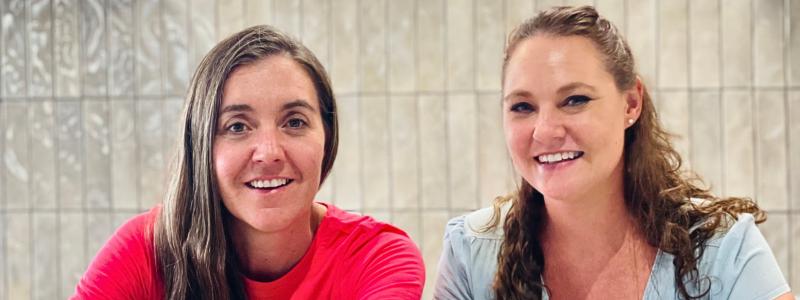
 
Jackie and Shannon are more than just the founders of Keystone Café — they are its soul. Sisters in life and in purpose, the Tuckers have poured their hearts into creating a space that feeds more than just the appetite

Jackie, with her warm, intuitive nature, brings a nurturing presence that’s felt in every corner of the café. Whether she’s greeting a regular by name or adjusting a recipe to suit a guest’s needs, her care is genuine and constant.

Shannon, with her calm strength, gracious demeanour and thoughtful approach, helps keep everything running seamlessly — from sourcing ethical ingredients to ensuring the day-to-day operations reflect their shared vision. She brings a steady energy and an eye for detail that elevates every part of the experience.

Together, with a quiet gift for making people feel seen and valued, they’ve built Keystone Café not just as a place to eat, but as a sanctuary for meaningful connection and conscious living.

Every detail — from the music playing softly in the background to the seasonal ingredients on the plate — is intentional and crafted with care.

Their passion for sustainability, conscious eating, and genuine connection with people shines through in everything they do. Guided by their “keystone” values — health, connection, and community — they continue to shape a space where everyone feels welcomed, cared for, and inspired to live with purpose.


AN AARDVARK ATTITUDE – A PHILOSOPHY OF LIFE 

At Keystone Café, the food philosophy is about much more than ingredients. It’s a way of life, affectionately cultivating an “Aardvark Attitude.”

This philosophy encourages guests to be mindful of their impact on the environment, to appreciate where their food comes from, and to embrace a lifestyle of health, community, and sustainability.

Keystone Café champions the Sustainavore Movement — a concept pioneered by dietitian Diana Rogers, which advocates eating in ways that nourish personal health while restoring environmental balance.

In an era where fast food and mass production dominate, Keystone Café’s ethos feels almost revolutionary. It asks:

• What are we eating?
• Where did it come from?
• Who grew or raised it?
• How does it affect our bodies — and the planet?

Every wrap, smoothie, hearty salad, and steaming cup of coffee at Keystone Café is a testament to this mindful, conscious way of living.

“You don’t just eat at Keystone Café,” one loyal customer recently shared on Instagram, “you reconnect to yourself and your world.”


A MENU THAT TELLS A STORY 

The menu at Keystone Café is a vibrant celebration of farm-to-table freshness. Whenever possible, produce is sourced locally — from farmers who share the same commitment to regenerative practices and ethical stewardship of the land.
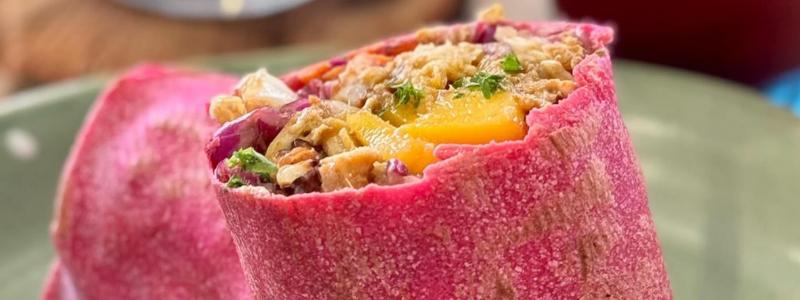
Some highlights include:

• Signature Bowls packed with seasonal fruits, seeds, veg and superfoods
• Sustainably sourced free-range chicken wraps
• Vibrant vegan and vegetarian options that even meat-lovers rave about
• Kombucha, fresh-pressed juices, and artisan coffees supporting gut health and wellness
• Wholesome breakfast offerings ideal for locals and travellers fuelling up before safari

Whether you’re a seasoned Sustainavore or simply seeking healthy food in Hoedspruit, Keystone Café’s menu offers something deeply satisfying — food that tastes good because it does good.

FROM KAMOGELO CENTRE TO HOEDSPRUIT PRIVATE HOSPITAL   

A New Chapter

Having opened in January 2023 at the Kamogelo Tourism Centre, Keystone Café quickly became one of the best cafés in Hoedspruit for locals and visitors seeking quality, health-conscious meals.

Their motto — “For Togetherness” — wasn’t just a slogan. It showed up in the sunny smiles of their staff, the comfortable tables designed for conversation, and the countless friendships forged over fresh meals.

In late 2024, another opportunity arose: the chance to relocate Keystone Café to the new Hoedspruit Private Hospital and Medical Centre.

The decision was guided by the same values that birthed the café. Where better to offer truly healing food than alongside a facility dedicated to physical, mental, and emotional wellness?
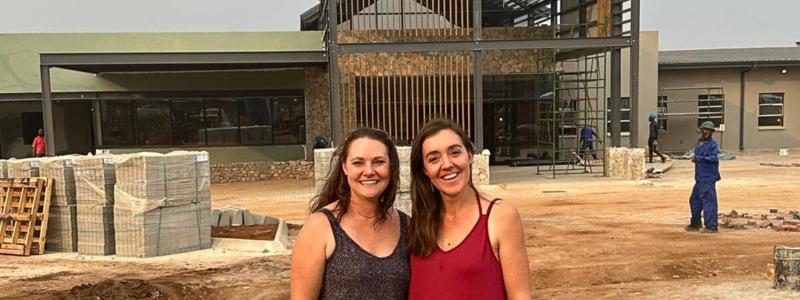
Their presence inside the hospital today is a powerful extension of their purpose — serving meals that nourish body and spirit, in a setting committed to healing and hope.

“We’re not just a café in a hospital,” Jackie shares, “we’re part of the healing journey.”
And the community agrees. Local reviews online call the new café “a light and uplifting space” and “a refreshing oasis for patients, staff, and visitors alike.”

Yes you read right – just because Keystone is based within the confines of our beloved hospital doesnt mean its exclusive to Hospital visitors only. Keystone is indeed open to the public whether its  a business lunch, family catch up or simply besties bonding over a Latte.

RECENT ADDITIONS @ KEYSTONE 

A Second Coffee Location for On-the-Go Convenience

Keystone Café has expanded its presence within the Hoedspruit Medical Centre by opening a smaller, grab-and-go style coffee shop at the Medical Suites North. This addition is designed for healthcare staff, patients, and visitors who need a quick, high-quality coffee or snack without compromising on nutrition or taste. It’s a natural extension of their mission — bringing wellness, community, and convenience together under one roof.

A Cozy Boardroom for Meetings with Heart

In addition to their café spaces, Keystone has launched a beautifully designed, private boardroom available for hire. Perfect for team meetings, workshops, or small events, the room accommodates up to 12 people and includes high-speed WiFi, an HD TV for presentations, and catering options from the café. Whether you’re brainstorming or just need a quiet professional space, the Keystone boardroom blends functionality with the café’s signature warmth and style.

WHY KEYSTONE CAFE IS A MUST VISIT IN HOEDSPRUIT 

Whether you’re seeking an invigorating post-safari breakfast, a healthy lunch, or simply a quiet place to reflect over a cup of ethically sourced coffee, Keystone Café is a must-visit for anyone who believes that food can — and should — be a force for good.

As I write this Im thinking to myself that Keystone is more than a restaurant, it’s a movement toward better living and all of us here at VisitHoedspruit.com cant help but smile and feel a sense of pride for all they’ve acheived and are contributing to our community. 

In a world increasingly disconnected from real food, Keystone Café gently reminds us how beautiful — and powerful — that connection can be.

If you’re visiting Hoedspruit, looking for healthy food, passionate Hoedspruit restaurants, or seeking to support sustainable eating in South Africa, Keystone Café offers the ultimate combination of flavour, purpose, and heart.

A PROUD PREMIUM PARTNER WITH VISITHOEDSPRUIT.COM

We are incredibly proud to announce that Keystone Café has joined VisitHoedspruit.com as a Premium Partner

Their listing isn’t just a collaboration — it’s a celebration of everything we stand for:

• Local heart
• Authentic storytelling
• Commitment to building a thriving, sustainable community

As part of our Business Showcase Series, we are honoured to highlight Keystone Café as a beacon of what is possible when passion, purpose, and people come together.

🌱 Visit their new home inside Hoedspruit Private Hospital
☕ Experience the Keystone Café difference — where food, community, and sustainability are always on the menu.
Being Bush-Ready: Medical Essentials on Safari

Being Bush-Ready: Medical Essentials on Safari

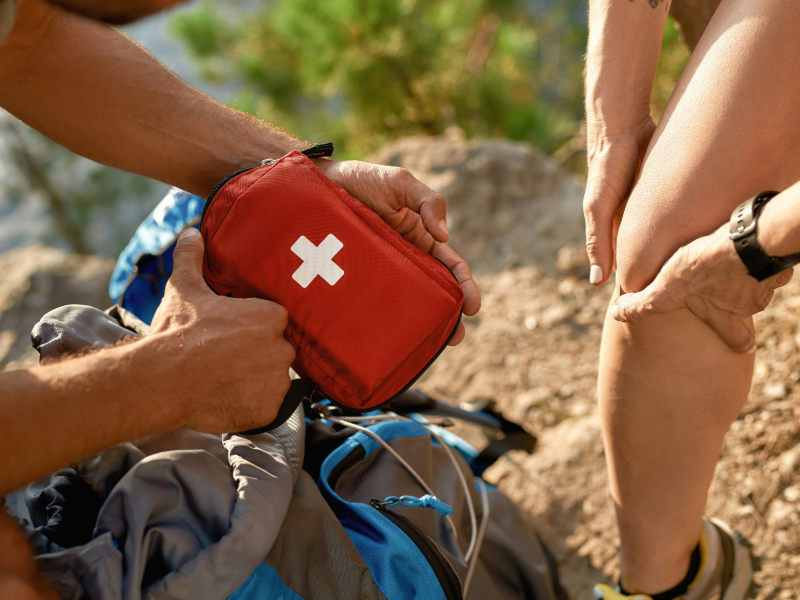
When you’re heading off for a bush break in Hoedspruit, packing the right essentials can usually make or break your trip. Whether you’re camping under the stars, on a guided safari, or exploring the region’s wildlife, having a well-prepared first-aid kit is a must.

In this blog we’ll walk you through a detailed guide to the key items you should pack – ensuring you’re ready for anything nature might throw your way.

But before we do let’s take a look at some basic logistics to better help you plan… 


LOCAL PHARMACIES IN HOEDSPRUIT:

Whether you need prescription medicine or over-the-counter remedies, these pharmacies cater adequately for all your medical requirements:

Hoedspruit Pharmacy – located at the Spar Shopping Centre, (also known as Leadwood Corner) it’s conveniently situated along the R527, the main road running through the heart of Hoedspruit.

This well-established pharmacy is owned and managed by local stalwarts Sonja and Pieter Fourie. Committed to providing attentive and personalised care to all their customers, they offer a broad selection of over-the-counter medications, prescription drugs, and essential health products, serving as a reliable stop for both locals and travellers.

Hours:

Monday to Friday: 8:30 AM – 6:30 PM

Saturday: 8:30 AM – 1:00 PM

Sunday: Closed

Hoedspruit Wildlife Estate Pharmacy – conveniently situated within the Pick n Pay Centre on the R40 it doubles as the perfect opportunity to stock up on all your medical as well as travel essentials whether on route to the Kruger’s Orpen or Phalaborwa Gates.

Owned and operated by Juliette Wafawanaka, the pharmacy has become a trusted fixture within the community. Known for her attentive service and sound advice, visitors always receive thoughtful and relevant care and advice.

Hours:

Monday to Friday: 8:00 AM – 5:00 PM

Saturday: 8:00 AM – 2:00 PM

Sunday: 8:00 AM – 1:00 PM

Lowveld Pharmacy – located at Shop 10, Time Square on Huilboerboom street, they’re conveniently located opposite La Academy and a short distance from the newly established Hoedspruit Private Hospital.

Owned and operated by Samuel Asare known as “Sammy” to us locals, Lowveld Pharmacy supplies a range of prescription medications, over-the-counter drugs, and personalised health advice from qualified pharmacists.

Hours: 

Monday to Friday: 8:00 AM to 5:00 PM

Saturday: 8:00 AM to 3:00 PM

Sunday: 9:00 AM to 12:00 PM

As mentioned another notable healthcare provider also situated on Huilboerboom street is the highly anticipated Hoedspruit Private Hospital. Set to open its doors in the last quarter of 2024, this facility is set to bring world-class medical services to the heart of Limpopo.

With a capacity of 62 beds, including specialized ICU and Neonatal ICU units, the hospital will be equipped to handle a wide range of medical needs. Four state-of-the-art operating theatres, a 24/7 trauma and emergency unit, and comprehensive diagnostic services in radiology and pathology will enable prompt and effective care for all in the vicinity.

Now back to stocking that first aid kit with essential ingredients –


PAIN RELEIF MEDICATION: 

The African bush can be a tough environment, and no matter how careful you are, aches, pains, and minor injuries are bound to happen. Paracetamol (sold as Panado) is an excellent option for managing headaches and minor pains. For muscle aches or swelling, Ibuprofen (commonly found as Brufen) is a good anti-inflammatory solution.

Both of these medications are Schedule 1 and 2 respectively, meaning you can purchase them without a prescription at any of the pharmacies listed above. Pain relief medication should be one of the first things to go into your kit, ensuring that minor discomforts don’t ruin your adventure.


ANTIHISTAMINES:  

Whether it’s pollen, insect bites, or an unexpected food reaction, allergies can strike at any time in the bush. To manage allergic reactions, pack a reliable antihistamine – these Schedule 1, and 2 medicines can be bought over the counter at the pharmacies in Hoedspruit.

Antihistamines will help manage symptoms like itching, hives, sneezing, and watery eyes, which could otherwise make your trip uncomfortable. In more severe cases of allergies, always seek medical help immediately.


REHYDRATION SALTS:  

Dehydration is a real risk after long hikes or exposure to the intense African sun. Including oral rehydration salts (ORS) like Rehidrat in your travel kit is essential to maintain hydration by replenishing lost fluids and electrolytes.

Why Rehydration Salts?

  • Rapid Recovery: ORS solutions like Rehidrat contain a blend of salts and sugars that help the body quickly absorb fluids, addressing symptoms like fatigue, dizziness, and weakness.
  • Situations to Use: Ideal for recovery from strenuous activities, prolonged sun exposure, or symptoms of diarrhoea and vomiting, which deplete fluids and electrolytes.
  • Convenience: Rehidrat sachets, available in flavours like Blackcurrant and Orange, are easy to pack and use. Simply dissolve a sachet in 250 ml of water for a fresh, daily dose.

Rehidrat sachets are widely available in South African pharmacies, including Hoedspruit, making them an easy and effective addition to your travel kit.


ANTISEPTIC CREAM OR SOLUTION:  

Small cuts, scrapes, and insect bites are inevitable when exploring the wild, and keeping them clean is essential to avoid infection.

An antiseptic cream like Savlon or solution like Dettol is invaluable for wound care in remote areas making it a versatile application for:

  • Cuts and Scrapes: If you slip on rocky terrain or brush against thorny plants, applying antiseptic cream to minor cuts will protect against bacteria.
  • Insect Bites: Mosquitoes or other insects can leave itchy bites that may get infected if scratched. A dab of antiseptic helps reduce irritation and prevents infection.
  • Blisters and Chafing: After a long hike, blisters or chafed skin can become vulnerable to infection. An antiseptic solution will keep these areas clean until they heal.

As professional medical help may be far away, maintaining clean and protected wounds is crucial. Antiseptics like these are available at pharmacies in Hoedspruit, so be sure to pick up a tube or bottle before setting out on your adventure.


SUNBURN RELIEF: 

Even if you’re careful with sunscreen, the sun in Hoedspruit can be unforgiving. For relief from sunburn, pack Aloe Vera Gel or Burnshield. These products will soothe the skin, reduce redness, and help to speed up recovery from sunburn. Sunburn is more than just uncomfortable; it can lead to severe burns or skin damage if untreated. These relief products are essential for your first-aid kit and are available at the pharmacies mentioned above.


STERILE GAUZE AND MEDICAL TAPE:  

Serious injuries can sometimes happen in remote locations, and having sterile gauze pads and medical tape in your kit is crucial. Gauze can be used to dress wounds and control bleeding until you can get professional medical help, while medical tape secures the gauze in place. Sterile dressing ensures that wounds remain clean and free from contaminants. This is especially important in bush settings, where bacteria and dirt can quickly lead to infections.


ANTISEPTIC CREAM OR SOLUTION:  

Small cuts, scrapes, and insect bites are inevitable when exploring the wild, and keeping them clean is essential to avoid infection.

An antiseptic cream like Savlon or solution like Dettol is invaluable for wound care in remote areas making it a versatile application for:

  • Cuts and Scrapes: If you slip on rocky terrain or brush against thorny plants, applying antiseptic cream to minor cuts will protect against bacteria.
  • Insect Bites: Mosquitoes or other insects can leave itchy bites that may get infected if scratched. A dab of antiseptic helps reduce irritation and prevents infection.
  • Blisters and Chafing: After a long hike, blisters or chafed skin can become vulnerable to infection. An antiseptic solution will keep these areas clean until they heal.

As professional medical help may be far away, maintaining clean and protected wounds is crucial. Antiseptics like these are available at pharmacies in Hoedspruit, so be sure to pick up a tube or bottle before setting out on your adventure.


ANTI-INFLAMMATORY GEL: 

For sprains, strains, or other minor injuries, an anti-inflammatory gel like Voltaren Emulgel can be very effective. This gel helps to reduce pain and swelling without the need for oral medication. It’s particularly useful for those who may be sensitive to taking pills. You can find Voltaren at local pharmacies in Hoedspruit.


TWEEZERS AND SCISSORS: 

A good pair of tweezers is essential for removing splinters, thorns, or ticks, all of which are common in the bush. Scissors will also come in handy for cutting bandages or trimming gauze to the appropriate size. These small tools may seem insignificant, but they can be invaluable in a first-aid emergency.


ANTI-DIARRHOEAL MEDICINE:  

As is sometimes the case, when travelling to a foreign country, most visitors develop the required bacterial immunity in a couple of weeks, especially to certain food sorts (and the preparation there of) or simply just the change in the water quality can lead to stomach issues.

The general rule of thumb in Hoedspruit regarding water is drink bottled water. Although opinions are divided on the quality of our towns water, we would recommend a pragmatic approach and stick to filtered or spring water when hydrating.  

Having Loperamide (sold as Imodium) in your first-aid kit (for me at least) is essential. Managing the “runs” / diarrhoea and prevention of dehydration is critical especially in remote locations far away from medical intervention. 

This medication is Schedule 2, so it’s available without a prescription at Hoedspruit pharmacies. It’s a small item to pack, but one that can make a big difference in your comfort and health while on safari.


INSECT REPELLENT:

Mosquitoes, ticks, and other bugs are unavoidable in the bush. To protect yourself from bites, pack an insect repellent containing DEET. Products like Peaceful Sleep and Tabard are readily available in Hoedspruit and are highly effective in keeping these pests at bay. Protecting yourself from insect bites is important, not only for comfort but also for preventing diseases like malaria, especially in warmer, wetter months.

For more on malaria check out this short video with one of our local Doctors…


MOTION SICKNESS TABLETS: 

A safari adventure is a thrilling experience, but both game drives as well as the journey up to Hoedspruit (if you’re taking the scenic route that is) can sometimes bring on unwanted motion sickness.

So, whether you’re navigating the winding roads between the high and lowvelds or just bouncing along the uneven terrain in a safari vehicle, a bout of queasiness can put a serious dampener on your enjoyment, rendering you inactive.

Stay prepared and fully immersed in the experience by adding motion sickness tablets to your travel kit – they’re easy to find at most pharmacies and can be a game-changer for anyone sensitive to long, bumpy rides, banishing nausea and keeping you on point to keep up with the fun.


SNAKE BITE KIT:

Hoedspruit and its surrounding areas are home to various snake species, and with the recent rains snakes are now on the move. There’s no need to be fearful just aware but accidents do happen so carrying a snakebite kit is essential.

Depending on the snake, professional medical treatment is still required in case of a bite – having a compression bandage on hand can help slow the spread of venom. Snakebite kits are a critical part of any bush first-aid kit, particularly if you’re remotely situated.

If you think it’s a worthwhile addition we recommend getting in touch with Wildlife Safety Solutions, should you require any peripherals in this department

Last but not least should your emergency require more than what inside your fist aid kit one should always be aware of the professional help available to you whilst travelling as accidents do happen

For medical emergencies, we highly recommend any of these first responders

Hoedspruit Medical Rescue 
Africa Safety Emergency Medical Services


CONCLUSION:

Packing the right first-aid essentials for your bush break in Hoedspruit is more than just a precaution—it ensures you’re ready to handle any situation that could arise. From managing minor injuries to being prepared for more serious medical issues, a well-stocked first-aid kit could make all the difference on your adventure. 

Before you head into the wild, take the time to assemble your kit and familiarise yourself with the local medical resources available. A little preparation goes a long way toward ensuring a safe and enjoyable experience in the heart of the African bush.

Disclaimer: The medical items mentioned here are for general information purposes only. Please consult with a healthcare professional before using any medication. Visithoedspruit.com is not liable for any consequences resulting from the use of medicines or treatments based on this guide.


Travelling to Hoedspruit: A Beginner’s Guide

Travelling to Hoedspruit: A Beginner’s Guide

Travelling to Hoedspruit, the undisputed Safari Capital of the continent, can be a daunting task if it’s your first time or if you’re not quite sure where to begin. Early mornings here begin in the dark, coffee in hand, as the bush wakes up around you — one day you’re tracking wildlife in Kruger, the next you’re standing above the Blyde River Canyon with the whole Lowveld spread out below, and you’re still back in town for a good meal by evening. So, here at Visit Hoedspruit, we decided to put together this “Beginner’s Guide” to navigating your way through what is sure to be an adventure of a lifetime.

This guide is designed to help you plan, enjoy, and maximize your time with us as you enjoy all the region has to offer, whether this is your first Lowveld safari or you’re returning to explore a little further afield.

Hoedspruit at a Glance

• Nearest airport: Hoedspruit Eastgate Airport (HDS)
• Drive from Johannesburg: 5-6 hours
• Minimum stay: 3 nights (4-5 recommended for a full experience)
• Best for: Kruger safaris, private reserve stays and the Panorama Route
• Malaria area: Yes, preventative medication is recommended
• Best time to visit: June to August for classic dry-season safari, October to April for green-season landscapes and birdlife

Before You Set Off

Visas and Health

Visas: Confirm your visa requirements well in advance to ensure a smooth entry into South Africa. Most visitors from the UK, US, EU and Commonwealth countries can enter visa-free for short stays, but South Africa has been rolling out an Electronic Travel Authorisation (ETA) system through 2026 for a growing list of nationalities, so check the current requirements for your passport close to your travel dates. Make sure your passport has at least 30 days’ validity beyond your departure date and at least one blank page for entry stamps.

Health: Visit a travel clinic for necessary vaccines and malaria prophylaxis. Opt for comprehensive travel insurance to cover any unexpected events. Hoedspruit and the surrounding Lowveld are a malaria area, so this is worth taking seriously rather than skipping. Risk is highest in the warmer, wetter months (roughly October to April) and lower over the dry winter (June to August), but it’s worth discussing prophylaxis with a travel clinic or your doctor whenever you visit, alongside routine vaccinations. Make sure any travel insurance you take out specifically covers medical evacuation, given the distances between Hoedspruit and major hospitals.

For peace of mind, you’ll find a range of medical services and practitioners dedicated to providing comprehensive healthcare whilst in Hoedspruit:

For general medical needs, check with the Hoedspruit Family Medical Centre.

For medication and everyday health needs, Lowveld Pharmacy is a good option, conveniently based in town.

For medical emergencies, we recommend either one of:

Hoedspruit Medical Rescue
Africa Safety Emergency Medical Services

If hospitalisation is necessary, Hoedspruit Private Hospital is now operational and offers all the necessary facilities close by, with the Tzaneen Mediclinic Private Hospital also an option a little further afield.


Arriving in Hoedspruit

Getting There

By Air: Land directly into your adventure via Hoedspruit Eastgate Airport, with flights from major cities. Scheduled flights connect Hoedspruit Eastgate Airport (HDS) with Johannesburg’s O.R. Tambo, so a flight is often the quickest way in if you’re short on time, with the drive from the airport into town taking only about 15 minutes.

By Road: The drive from Johannesburg offers scenic views and takes about 5-6 hours. Outside of arranging your own transport (ensure navigation tools are available) there are shuttle services which offer hassle free passage to Hoedspruit. In this case you may want to chat to Safari Link SA or Swift Kruger Shuttles. The road itself is in good condition and well signposted, but note that game and livestock do wander onto rural roads, so it’s worth avoiding driving after dark if you can.

Local Transport: Pre-book your private transport through accommodation or local operators, as public options are limited. An outstanding performer locally would be Buya Buya Travel and Tours, who can arrange airport transfers, day tours and activity bookings so you’re not left trying to piece together logistics once you land.

Where to Stay

There is no single “best” place to stay — the right choice depends on the safari experience you want, your budget and whether you are self-driving.

• Luxury Lodges for an all-inclusive safari and relaxation experience. Many are inside private reserves bordering Kruger, so you can go on guided game drives without leaving the property.
• B&Bs and Guesthouses offer a warm, personal touch. Great for a more affordable, family-run stay, often with home-cooked meals included.
• Self-Catering Units cater to those desiring flexibility. Handy if you want to cook your own meals and set your own schedule, particularly for families or longer stays.
• Campsites range from basic to glamping for direct nature immersion. Book ahead in peak season (June to September), when the best game viewing draws the most visitors.

Kruger National Park or a Private Reserve?

This is one of the biggest decisions first-time visitors make. Kruger National Park is vast, iconic and wonderfully accessible — ideal for self-drives, guided day safaris and travellers who want to experience the scale of South Africa’s most famous park, though as a public park you will share the roads with other visitors. Private reserves bordering Kruger, like those around Hoedspruit, offer a more intimate, fully-hosted safari: guides can often go off-road at sightings, and lodges include meals and activities as part of the experience.

Neither is “better” in every situation. If you enjoy independence and want to keep costs sensible, Kruger is fantastic. If you want a fully-hosted, high-end wildlife experience with fewer logistics to manage, choose a private lodge. Many of the best itineraries combine both, splitting a stay between a self-drive base near Kruger’s gates and a night or two at a private lodge.

Must-Visit Attractions

• Kruger National Park presents the wildlife spectacle of the Big Five. Full-day guided drives from Hoedspruit run around R3,100 per person and are the single most popular activity for visitors.
• Blyde River Canyon captivates with its natural grandeur. A full Panorama Route tour taking in God’s Window, Bourke’s Luck Potholes and the Three Rondavels runs around R2,350 per person and is an easy day trip up onto the escarpment.
• Wildlife Rehabilitation Centers and Cultural Tours provide insightful experiences, among them the Moholoholo Rehabilitation Centre, where guided tours (around R400 per person) bring you close to rescued cheetah, leopard and vulture while conservation staff explain the threats facing them.

How Many Nights Do You Need?

Three nights is the absolute minimum for a first visit — enough for a couple of safaris and a taste of the bush’s rhythm. Four to five nights is better, letting you fit in Kruger, a private reserve experience and a Panorama Route day without feeling rushed. Seven nights or more turns Hoedspruit into a proper destination rather than a quick stop — combine different accommodation styles, build in rest days, and explore both the bush and the mountains.

A Few Things First-Time Visitors Often Get Wrong

• Trying to fit too much into too little time. Safari days start early and can be long, so build in breathing room.
• Booking accommodation before understanding the location. “Hoedspruit” can mean town, a wildlife estate, a private reserve or a property an hour away, so always check the map.
• Leaving transfers until the last minute. Airport and lodge logistics need to be arranged in advance.
• Underestimating the cold on a winter morning. It may be warm at lunch, but a dawn game drive can be freezing.
• Expecting animals on demand. Wildlife is wild — the tracks, birds, smaller creatures and changing landscapes are part of the experience too.

Get in touch with us regarding activities and accommodation and we’ll be sure to package something special for you and your family. You can reach us at info@visithoedspruit.com


Travel Tips and Packing Guide

Best Time to Visit

For Hoedspruit, Summer (Oct-Apr) brings hot, rainy days ideal for lush landscapes and birdwatching, so pack light clothes and rain gear. Winter (May-Sep) offers the best wildlife viewing with cooler, dry weather, requiring warm layers for early morning safaris. Winter is the peak safari season, since the dry bush and animals gathering at waterholes make sightings far easier, but it also gets cold before sunrise, so bring proper layers for early game drives. If you’d rather skip the crowds, the shoulder months either side of winter often combine decent game viewing with a quieter, greener bush.

Essential Safari Packing

• Clothing: Lightweight, breathable fabrics for daytime; warm layers for cool mornings and   evenings.
• Protection: Sunscreen, sunglasses, and a wide-brimmed hat.
• Gear: Binoculars for distant spotting, a durable camera, and extra batteries / power banks.
• Health: Insect repellent, antimalarial medication, and a basic first-aid kit.
• Footwear: Comfortable, closed-toe shoes for walking or hiking.
• Miscellaneous: A high-quality flashlight / headlamp, and a waterproof bag for gear.

Connectivity and Safety

• Wi-Fi might be scarce. A local SIM card can ensure connectivity. Most lodges and guesthouses do have Wi-Fi, but reception on the road and out in the bush is patchy, so don’t rely on it for navigation — download offline maps before you set off.
• Although Hoedspruit is naturally a safe environment for those visiting, prudence should always be exercised. Practice safety as advised. As with anywhere, keep valuables out of sight in the car, lock up at night, and always follow your guide’s instructions around wildlife, on foot and in the vehicle alike.

For further guidance before you travel, South African Tourism publishes a helpful safety and travel tips page.

Frequently Asked Questions

How many nights do I need in Hoedspruit?
Three nights is the minimum for a worthwhile first visit; four to five gives you Kruger, a private reserve and the Panorama Route without rushing.

Should I stay in Kruger National Park or a private reserve?
Kruger suits independent travellers who want flexibility and value; private reserves suit those wanting a fully-hosted, off-road safari experience. Many first-time visitors combine both.

Is Hoedspruit a malaria area?
Yes. Speak to your doctor or a travel clinic before departure about preventative medication, and use standard precautions like insect repellent and covering up in the evenings. Lowveld Pharmacy in town can help with medication and everyday health needs, and Hoedspruit Private Hospital is on hand for anything more serious.

Do I need a car in Hoedspruit?
Not necessarily, but plan ahead either way. If you’re not self-driving, pre-book airport transfers and activities through your accommodation or a trusted local operator like Buya Buya Travel and Tours, rather than expecting to arrange transport on the day.

Do I need cash, or can I pay by card?
Card is accepted at most lodges, restaurants and larger shops, but small local vendors, curio stalls and tips are often cash-only. It’s worth carrying some rand for these, since ATMs can be a drive away from more remote accommodation.

What is the best time of year to visit?
June to August (dry winter) offers classic safari conditions with easier wildlife viewing. October to April (green season) brings lush landscapes, dramatic skies and excellent birdlife.

From the Visit Hoedspruit Team, we sincerely hope that this basic guide equips you with a solid foundation as you embark on a journey of a lifetime. Please don’t hesitate to get in touch with us should you require any additional info or insights as we’re here to help you get the most out of your holiday in the “Hoed”.

Welcome to Limpopo where the wild heart of South Africa beats loudest!


Water in Hoedspruit: Challenges and Innovation

Water in Hoedspruit: Challenges and Innovation

Hoedspruit is a region where the abundance of wildlife and natural beauty is as much a part of the landscape as the challenges posed by water management. As a crucial element for sustaining both life and biodiversity, water in Hoedspruit is a subject of paramount importance, navigating through the intricacies of scarcity, conservation efforts, and innovative solutions.

The Challenge of Water Scarcity:

Hoedspruit, like many parts of South Africa, faces the daunting challenge of water scarcity. The issue itself is magnified by its location in a region prone to periodic droughts and the increasing demands of agriculture, tourism, and growing communities. As a unique ecological and climatic zone, rich in biodiversity and natural beauty we’ve had to adapt and innovate when it comes to preserving our liquid gold.

Local Initiatives aimed at Water Sustainability:

Projects such as the water treatment upgrade at AFB Hoedspruit, spearheaded by SANEDI (South African National Energy Development Institute) in partnership with the Defence Works Formation, highlight the government’s initiative to combat these challenges. The project aims to ensure the provision of safe water, sanitation, and hygiene, critical for protecting human health and supporting the fight against infectious diseases.

The Role of AWARD in Water Conservation:

The Association for Water and Rural Development (AWARD) plays a pivotal role in addressing water and related environmental issues in the region. Through its innovative programs, AWARD seeks to build resilience among local communities, enhancing their capacity to manage and restore water, land, and biodiversity subsystems. We’re grateful to have them involved and championing this cause of ours and you can check them out at https://award.org.za/

Local Business and Water Management:

Local businesses in Hoedspruit, such as Creek Plumbing and Construction, and Manzi Water, illustrate the community’s adaptability and entrepreneurial spirit in addressing water needs. From providing essential plumbing services to ensuring the availability of purified drinking water, these enterprises are integral to the region’s water management ecosystem. Their operations support not only the local economy but also contribute to the sustainability of water resources, catering to both the residents and the thriving tourism sector​​​​:

https://www.creekpc.co.za/

https://manzi.co.za/

The Path Forward: Sustainability and Innovation:

As Hoedspruit continues to navigate the challenges of water management, the path forward is paved with opportunities for innovation and sustainability. Community engagement, supported by government initiatives and local businesses, forms the backbone of a resilient water management strategy. Efforts to enhance water quality, promote efficient use, and invest in sustainable infrastructure are critical for securing the region’s future.

So lets ALL do our bit by giving back to a town that gives us so much!

Transforming Healthcare and Tourism

Transforming Healthcare and Tourism

The recent inauguration of the Hoedspruit Private Hospital in our scenic little town marks a transformative development for the local community and the region’s flourishing tourism sector. This facility, equipped with advanced healthcare technologies and a wide range of medical services, stands as a testament to the commitment to improving the quality of life for residents and enhancing the experience for visitors.

FACILITIES & SERVICES

Hoedspruit Private Hospital is designed to cater to a broad spectrum of healthcare needs. It boasts state-of-the-art facilities including emergency services, outpatient care, surgical suites, and specialized departments for maternity, paediatrics, and chronic disease management. The hospital is also equipped with advanced diagnostic tools, including MRI and CT scanners, to support accurate and timely diagnosis. A detailed summary includes:

4 Advanced operating theatres
4 Intensive Care Unit beds
4 Neonatal Intensive Care beds
Dialysis facilities
Delivery wards
A 24/7 emergency unit
Blood Work: Ampath laboratory for diagnostics
Rehabilitation facilities
And doctor’s rooms for consultations and minor procedures

There are agreements in place with surgeons, a gynaecologist, paediatricians, an ophthalmologist and anesthetists to reside and practice locally. A visiting program has also been established for cardiologists, urologists, and ENT specialists who will consult on designated days

IMPACT ON THE COMMUNITY

For the residents of Hoedspruit and surrounding areas, the hospital represents a significant leap forward in healthcare accessibility. Prior to its opening, locals faced long travel times for medical services, often compromising timely care. The hospital’s comprehensive range of services means that high-quality healthcare is now available closer to home, facilitating better health outcomes and enhancing the quality of life.

BOOST FOR TOURISM

Tourism plays a pivotal role in the economy of our town and the presence of a private hospital significantly boosts the area’s appeal as a tourist destination. Travelers can now enjoy the natural beauty and wildlife of Limpopo with the reassurance that top-tier medical care is readily accessible.

The Hoedspruit Private Hospital is more than just a medical facility; it is a cornerstone of community well-being and a catalyst for tourism growth. By providing advanced healthcare services within the region, the hospital not only improves the lives of local residents but also enhances the attractiveness of Hoedspruit as a premier destination for visitors from around the globe. This development represents a significant stride towards a healthier, more prosperous future for the entire region.