Tiny Town – Little People, Big Dreams

Tiny Town – Little People, Big Dreams

As part of our themed blog installments, Visit Hoedspruit is proud to present our Business Showcase series – dedicated to shining a spotlight on the incredible businesses and services that enrich our town.

We take immense pride in celebrating the creative, industrious, and inspiring individuals who are the heartbeat of our community, contributing to its vibrant culture and dynamic growth.

Join us as we embark on this journey, celebrating each story of passion, perseverance, and entrepreneurial spirit that together weave the fabric of Hoedspruit’s thriving community. This week we take a look at the newly opened role play village – Tiny Town, as we continue with our theme of things to do with children in Hoedspruit

TINY TOWN / WHERE LITTLE PEOPLE DREAM BIG: 

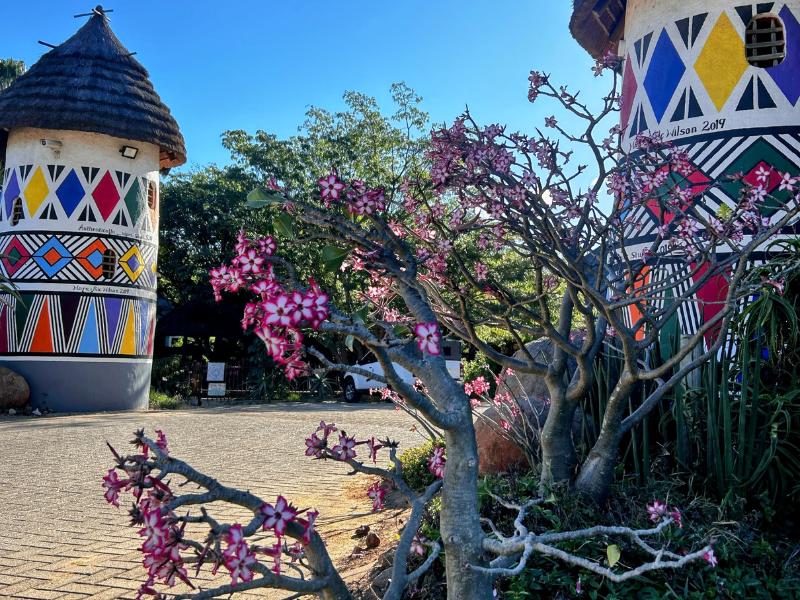
Within the quaint Driehoek Business Centre, lies a hub of creativity and joy for children known as Tiny Town. Created from the aspirations of parents looking for a unique and safe space for their little ones, Tiny Town is fast becoming a beacon of fun and learning for families in the area.

Sisters and business partners, Alicia & Juane Maritz, both parents turned entrepreneurs, share their exciting journey with us.

The Inspiration Behind Tiny Town

Tiny Town was born out of a simple family holiday that turned into an eye-opening experience for Alicia and her husband subsequent to them noticing their daughter’s sheer delight whilst enjoying herself at a role-play village. Realizing that there was a huge need for such a concept in Hoedspruit, the dream was birthed.

After much planning, the perfect location was eventually found at the Driehoek Centre, marking the beginning of a vision and their dream to become a cornerstone of kids’ entertainment in Hoedspruit.


A BUBBLE FOR STIMULATION AND IMAGINATION: 

Tiny Town caters for the younger groups with primary focus on walking age to around 8 to 9 years. What sets them apart from typical children’s entertainment options in Hoedspruit is that as a business they focus wholeheartedly on stimulating role-play offerings which encourage children’s early development.

The “town” itself is made up of exciting, themed areas for its little citizens – appealing to both boys and girls. These include a Construction site, Convenience store, Salon, Hospital / Doctors room, Vet, Kitchen, and Farm area.

The venue is clean, comfortable and air conditioned, providing a pleasant refuge for kids to play and explore, come rain or shine. At the heart of Tiny Town’s charm is child minder – JESS, who’s joy and exceptional way with kids has earned her legendary status amongst its patrons, making every visit so far one to remember!


MORE THAN JUST PLAY: 

Understanding the dynamics of modern parenting, Tiny Town offers a sanctuary where parents can relax, work, or enjoy a coffee, all while their children play safely within sight. The setup encourages parents to join in the fun, fostering quality family time which is hard to come by in today’s fast-paced world. This engagement is not just about play but building lasting memories and meaningful bonds.


A YEAR ROUND CELEBRATION: 

With special events planned for every major holiday. From Valentine’s Day to Christmas, and everything in between, Tiny Town aims to celebrate the special moments that bring families together. The introduction of a Holiday Club offers themed activities, providing endless fun and learning opportunities. And with Easter just around the corner, their Egg Hunt is sure to become a much-anticipated event.


BIRTHDAY PARTIES AND MORE: 

Recognizing the demand for hassle-free yet memorable birthday parties, Tiny Town offers various packages to make every child’s birthday wish come true. With the convenience of an on-site coffee shop for catering and a range of activities to choose from, parents can enjoy the celebration as much as their children.


A VISION FOR THE FUTURE: 

Alicia’s and Juane’s dream for Tiny Town is ambitious and heartwarming. They envision it becoming the ultimate destination for children’s entertainment and parties in Hoedspruit, catering to all ages from toddlers to teenagers (eventually) with the goal of providing a space where children can grow, learn, and play in a safe and imaginative environment.


CONNECTING WITH TINY TOWN: 

Stay updated on Tiny Town’s events and offerings by following their social media account or follow Visit Hoedspruit’s regular showcase posts and event reels. Whether you’re looking for a fun day out with the kids, a unique party venue, or a community to celebrate the special moments with, Tiny Town welcomes you to join their growing family.

That’s a wrap for our very first business showcase. Be sure to join us again as we unpack all the creativity and ingenuity our community has to offer its local environment and the world at large. Just like Tiny Town, Hoedspruit is a resilient little town full of big hearts and big dreams!


Easter in Hoedspruit: A Family Affair

Easter in Hoedspruit: A Family Affair

When it comes to celebrating Easter, the conventional imagery of egg hunts and chocolate bunnies gives way to a more thrilling and enriching experience in Hoedspruit. This enchanting locale offers families an unforgettable adventure that blends fun, discovery, and the indelible beauty of nature.

Hoedspruit is not just a destination; it’s a backdrop for an Easter celebration that promises laughter, learning, and a bond with nature, appealing to both the young and the young at heart. Whether you’re making the journey from afar or are a resident, Hoedspruit stands as an unbeatable choice for an Easter festivity filled with exploration and cherished memories.

 AN EASTER SAFARI ADVENTURE:

Imagine the wide-eyed wonder of your children as they spot an elephant for the first time or hear the distant roar of a lion. This is the heart of the Easter experience in Hoedspruit, where traditional egg hunts are transformed into thrilling safari adventures. Positioned near the renowned Kruger National Park and various private game reserves, Hoedspruit serves as the gateway to witnessing majestic wildlife.

These safaris are not just about the excitement of spotting animals; they’re designed with families in mind. Operators offer tailored experiences that ensure safety and enjoyment for all ages, from toddlers gripping their parents’ hands in awe to teenagers capturing every moment on their phones.

Get in touch with us at Visit Hoedspruit and let us package something exciting for you and your tribe.

EASTER FUN AND THE GREAT OUTDOORS:

Hoedspruit’s mild autumn climate is perfect for families eager to embrace outdoor activities. The region boasts a plethora of options for all ages, from serene bush walks that reveal the smaller wonders of the African wilderness to exhilarating hot air balloon rides at dawn, offering panoramic views of the vast landscapes below. Bird watching becomes a treasure hunt, as children and parents alike learn to spot and identify the abundant avian species that call this area home.

It’s a chance for families to disconnect from digital distractions and reconnect with each other and the natural world. The shared experiences of laughter and discovery forge lasting memories, making Easter in Hoedspruit a refreshing departure from the usual holiday routines.

Here are a couple of options that every family should include on their Easter Itinerary:

Moholoholo Wildlife Rehabilitation Centre
Hoedspruit Endangered Species Centre
Jessica the Hippo
Hoedspruit Reptile Centre
Blyde Canyon Adventures – Boat Tours
Suncatchers – Hot Air Balloon
Big Cat Encounters – Tshukudu Game Lodge
Elephant Moments
Guided Birding Tours 

CULTURAL IMMERSION & LEARNING EXPERIENCES OVER EASTER: 

Beyond the wild encounters, Hoedspruit offers a host of cultural immersion opportunities. Visiting local communities opens a window to the vibrant cultures of South Africa. Families can participate in workshops that teach traditional crafts or spend an evening under the stars, listening to stories that have been passed down through generations.

For those interested there are opportunities to explore the rich cultural tapestry of the region. Spending a day at Nourish Eco Village or taking a cultural tour through the Nyani Cultural Village – Roots of Rhythm provides the whole family with the perfect opportunity to experience the richness of our cultural vibrancy.


FAMILY FRIENDLY VENUES CATERING FOR EASTER:  

The Bosveld Village offers a vibrant play and water park for children, named Bosveld-Kidz. This venue, designed with safety and fun in mind, includes a colourful playground with mini climbing walls, slides, a zip line, splash area, mud kitchen, sand pit, scooter racetrack, and various ground games. It operates weekdays from 10:00 to 18:00 and weekends from 09:00 to 21:00.

Slightly further out of town, Driehoek Business Centre on the R527 is a vibrant hub catering to a wide array of needs from dining to shopping. Tiny Town, nestled within the Centre, is a creative and innovative play space that caters to the imaginations and developmental needs of younger children who can’t quite engage with a jungle gyms yet, requiring a more attentive and conducive space.

These family-friendly spaces are perfect for allowing parents to relax at nearby restaurants and shops while the children play under the care of dedicated minders – and there’s plenty of traditional Easter fun to be had with Egg painting, hunts and many other relevant activities to boot.

AN EASTER FEAST FOR THE SENSES: 

No Easter celebration would be complete without indulging in the local culinary delights. Hoedspruit’s dining scene offers a feast for the senses, with options ranging from traditional to gourmet meals prepared with fresh, local ingredients. Most restaurants cater to young palates with special children’s menus, ensuring that every family member has a dining experience to remember.

A special mention needs to go to, The Thirsty Giraffe (Grillhouse and WineBar) which offers a warm, family-friendly atmosphere where kids can not only enjoy good food but also get up close with farm animals, including the venue’s beloved donkeys. This unique bush pub, conveniently located just outside town along the R40 is a hit among families seeking a relaxed dining experience where children can interact with animals and explore.

Easter in Hoedspruit is more than a holiday; it’s an adventure that promises to enrich, educate, and entertain. It’s an invitation to create new traditions in one of the most beautiful and vibrant settings on Earth. This Easter, consider making Hoedspruit your family’s destination for discovery, where every moment is an opportunity for adventure and learning.

Guardians of the Wild – Reasons to Visit Hoedspruit: Chapter 2

Guardians of the Wild – Reasons to Visit Hoedspruit: Chapter 2

Trees, YES TREES, especially those iconic to Hoedspruit, offer many a compelling reason for nature enthusiasts and eco-tourists alike to come and visit our little neck of the bushveld.

In today’s instalment we’ll look at a couple of prominent species that are as equally compelling as the Big 5, because without them both the town you see around you today and the array of fauna we all get to enjoy whilst on vacation or safari would not exist.

So let me introduce you to the cast…

1 – THE MARULA TREE: ELIXIR OF LIFE AND JOY 

Role in the Community:

The Marula tree, known for its luscious fruit and enchanting beauty, holds a treasure trove of health benefits. Rich in Vitamin C, antioxidants, and essential nutrients, the Marula fruit is a powerhouse of health, offering more than just a delectable treat.

The oil extracted from these nuts is a prized skin cosmetic, revered for its nourishing properties. The tree’s green leaves offer a natural remedy for heartburn, reflecting the Marula’s medicinal value. Additionally, its bark is rich in antihistamines, providing relief from allergies and acting as a natural cleanser when its steam is inhaled.

In traditional medicine, a crushed piece of Marula bark, mixed with cold water, is a known treatment for dysentery and diarrhoea. The bark also plays a role in preventing malaria, underscoring the Marula tree’s integral role in both the cultural and medicinal landscapes of Africa.

For Animals:

For wildlife the Marula fruit is not just food but a vital source of nourishment, offering essential vitamins and minerals to sustain them through the seasons. Elephants, in particular, are drawn to the intoxicating fruit, finding not just sustenance but a natural remedy for various ailments within its flesh. Leopards too favour Marula trees (among others) because of their thick, extended branches, which make for a good sleeping spot, while also being covered by a lot of foliage. So, remember to look up as you might just catch a glimpse of this ethereal cat.

In Tourism:

Tourism centered around marula trees taps into various facets of interest, from the ecological to the cultural. Every year, the marula season brings about a flurry of excitement, with festivals celebrating the harvest of the fruit. Eaten either fresh or made into a delicious jelly (jam), its also used to make beer known as Mukumbi by the Vhavenda people or a famous marula liqueur which is available commercially. The white nut is highly nutritious and is eaten as it is or mixed with vegetables. Fruit-farming communities prefer planting a couple of these trees to attract pollinators to their farm in early spring.

2 – THE BAOBAB TREE: THE ANCIENT HEALER 

 Role in the Community

The majestic Baobab, standing tall with its roots reaching to the heavens, is a storehouse of nutrition and medicine. Its fruit, rich in Vitamin C, potassium, carbohydrates, and phosphorus, is a superfood, used to boost immunity and energy.

The leaves, packed with calcium and iron, are used in traditional dishes, while the bark’s fibres are woven into mats and ropes. Medicinally, the Baobab is a pharmacy in its own right, used to treat everything from fevers and malaria to gastrointestinal problems.

For Animals

The Baobab’s fruit and leaves serve as essential nutrition for many species, offering a lifeline during the sparse dry season. Its hollows provide shelter and its flowers a nectar source for pollinators, embodying the tree’s role as a nurturer of life.

In Tourism

In Hoedspruit and its immediate surrounds, the presence of baobab trees add a unique charm to ones vacation experience.

Eco-tourism initiatives in the region leverage the baobab’s iconic status to promote conservation efforts. Visitors can learn about the ecological importance of baobabs, their role in supporting biodiversity, and the challenges they face, including climate change and habitat destruction. Some tours even involve community projects where tourists can participate in baobab planting activities, fostering a sense of responsibility and connection to the land.

Moreover, the baobab’s fruit, known as “superfruit” for its high vitamin C content among other nutrients, has gained international fame. This aspect has spurred a different kind of tourism, where visitors are keen to try local delicacies made from baobab powder, participate in cooking classes, or visit communities involved in sustainable harvesting of baobab products

Photography tourism around baobabs is also significant, with enthusiasts and professional photographers alike drawn to these trees for their unique beauty and the challenge of capturing their essence. The baobabs of Hoedspruit, standing tall and proud, offer unforgettable sights and memories for those who venture near.

3 –THE MOPANE TREE: THE BUSHVELDS GREEN PHARMACY GREEN

 Role in the Community

The resilient Mopane tree, with its distinctive butterfly-shaped leaves, is a vital source of nutrition and medicinal aid. The leaves are high in protein, an essential supplement for livestock and humans alike. Mopane wood, revered for its durability, also has medicinal uses, including the treatment of stomach ailments and infections. The tree’s sap is used in traditional remedies for eye infections and to accelerate wound healing, showcasing the Mopane’s integral role in the health and wellbeing of the communities.

For Animals

The Mopane tree’s leaves are the sole food source for the Mopane worm, a caterpillar that is not only a key protein source for many African communities but also plays a role in the natural medicinal practices of the region. Wildlife thrives in the Mopane woodlands, finding both shelter and a rich source of nutrition within its leaves.

In Tourism

The importance of mopane trees in tourism stems from their ecological value and the cultural heritage associated with them. The mopane woodlands are home to a diverse array of wildlife, and as mentioned the Mopane worm (caterpillar of the Gonimbrasia Belina moth), which is a crucial source of protein for local communities and a point of interest for tourists. This caterpillar is not only a delicacy but also a symbol of sustainable living from the land, which visitors can learn about through cultural tours and tastings.

Birdwatching is another valuable aspect of tourism significantly enhanced by the presence of mopane trees. The dense canopies and rich foliage provide habitat and nesting sites for a variety of bird species, making Hoedspruit a favoured destination for birding enthusiasts. Guided walks and drives in mopane woodlands offer the chance to spot unique species, adding a special allure to the region’s natural attractions.

It’s evident that these trees stand as towering testaments to the resilience, beauty, and wisdom of nature. These guardians of Hoedspruit do more than just decorate the landscape; they nourish, heal, and protect the life that flourishes under their care. In learning about these sacred trees, we find a deeper appreciation for the intricate web of life that they support, reminding us of the importance of preserving these natural healers for the health and wellbeing of future generations. As we wander beneath their canopies, we are touched by the magic of Hoedspruit’s ancient guardians, whose branches reach out to house, feed, and embrace all who seek their shade.

 https://botanicalsociety.org.za/branches/limpopo/

Travelling to Hoedspruit: A Beginner’s Guide

Travelling to Hoedspruit: A Beginner’s Guide

Travelling to Hoedspruit, the undisputed Safari Capital of the continent, can be a daunting task if it’s your first time or if you’re not quite sure where to begin. Early mornings here begin in the dark, coffee in hand, as the bush wakes up around you — one day you’re tracking wildlife in Kruger, the next you’re standing above the Blyde River Canyon with the whole Lowveld spread out below, and you’re still back in town for a good meal by evening. So, here at Visit Hoedspruit, we decided to put together this “Beginner’s Guide” to navigating your way through what is sure to be an adventure of a lifetime.

This guide is designed to help you plan, enjoy, and maximize your time with us as you enjoy all the region has to offer, whether this is your first Lowveld safari or you’re returning to explore a little further afield.

Hoedspruit at a Glance

• Nearest airport: Hoedspruit Eastgate Airport (HDS)
• Drive from Johannesburg: 5-6 hours
• Minimum stay: 3 nights (4-5 recommended for a full experience)
• Best for: Kruger safaris, private reserve stays and the Panorama Route
• Malaria area: Yes, preventative medication is recommended
• Best time to visit: June to August for classic dry-season safari, October to April for green-season landscapes and birdlife

Before You Set Off

Visas and Health

Visas: Confirm your visa requirements well in advance to ensure a smooth entry into South Africa. Most visitors from the UK, US, EU and Commonwealth countries can enter visa-free for short stays, but South Africa has been rolling out an Electronic Travel Authorisation (ETA) system through 2026 for a growing list of nationalities, so check the current requirements for your passport close to your travel dates. Make sure your passport has at least 30 days’ validity beyond your departure date and at least one blank page for entry stamps.

Health: Visit a travel clinic for necessary vaccines and malaria prophylaxis. Opt for comprehensive travel insurance to cover any unexpected events. Hoedspruit and the surrounding Lowveld are a malaria area, so this is worth taking seriously rather than skipping. Risk is highest in the warmer, wetter months (roughly October to April) and lower over the dry winter (June to August), but it’s worth discussing prophylaxis with a travel clinic or your doctor whenever you visit, alongside routine vaccinations. Make sure any travel insurance you take out specifically covers medical evacuation, given the distances between Hoedspruit and major hospitals.

For peace of mind, you’ll find a range of medical services and practitioners dedicated to providing comprehensive healthcare whilst in Hoedspruit:

For general medical needs, check with the Hoedspruit Family Medical Centre.

For medication and everyday health needs, Lowveld Pharmacy is a good option, conveniently based in town.

For medical emergencies, we recommend either one of:

Hoedspruit Medical Rescue
Africa Safety Emergency Medical Services

If hospitalisation is necessary, Hoedspruit Private Hospital is now operational and offers all the necessary facilities close by, with the Tzaneen Mediclinic Private Hospital also an option a little further afield.


Arriving in Hoedspruit

Getting There

By Air: Land directly into your adventure via Hoedspruit Eastgate Airport, with flights from major cities. Scheduled flights connect Hoedspruit Eastgate Airport (HDS) with Johannesburg’s O.R. Tambo, so a flight is often the quickest way in if you’re short on time, with the drive from the airport into town taking only about 15 minutes.

By Road: The drive from Johannesburg offers scenic views and takes about 5-6 hours. Outside of arranging your own transport (ensure navigation tools are available) there are shuttle services which offer hassle free passage to Hoedspruit. In this case you may want to chat to Safari Link SA or Swift Kruger Shuttles. The road itself is in good condition and well signposted, but note that game and livestock do wander onto rural roads, so it’s worth avoiding driving after dark if you can.

Local Transport: Pre-book your private transport through accommodation or local operators, as public options are limited. An outstanding performer locally would be Buya Buya Travel and Tours, who can arrange airport transfers, day tours and activity bookings so you’re not left trying to piece together logistics once you land.

Where to Stay

There is no single “best” place to stay — the right choice depends on the safari experience you want, your budget and whether you are self-driving.

• Luxury Lodges for an all-inclusive safari and relaxation experience. Many are inside private reserves bordering Kruger, so you can go on guided game drives without leaving the property.
• B&Bs and Guesthouses offer a warm, personal touch. Great for a more affordable, family-run stay, often with home-cooked meals included.
• Self-Catering Units cater to those desiring flexibility. Handy if you want to cook your own meals and set your own schedule, particularly for families or longer stays.
• Campsites range from basic to glamping for direct nature immersion. Book ahead in peak season (June to September), when the best game viewing draws the most visitors.

Kruger National Park or a Private Reserve?

This is one of the biggest decisions first-time visitors make. Kruger National Park is vast, iconic and wonderfully accessible — ideal for self-drives, guided day safaris and travellers who want to experience the scale of South Africa’s most famous park, though as a public park you will share the roads with other visitors. Private reserves bordering Kruger, like those around Hoedspruit, offer a more intimate, fully-hosted safari: guides can often go off-road at sightings, and lodges include meals and activities as part of the experience.

Neither is “better” in every situation. If you enjoy independence and want to keep costs sensible, Kruger is fantastic. If you want a fully-hosted, high-end wildlife experience with fewer logistics to manage, choose a private lodge. Many of the best itineraries combine both, splitting a stay between a self-drive base near Kruger’s gates and a night or two at a private lodge.

Must-Visit Attractions

• Kruger National Park presents the wildlife spectacle of the Big Five. Full-day guided drives from Hoedspruit run around R3,100 per person and are the single most popular activity for visitors.
• Blyde River Canyon captivates with its natural grandeur. A full Panorama Route tour taking in God’s Window, Bourke’s Luck Potholes and the Three Rondavels runs around R2,350 per person and is an easy day trip up onto the escarpment.
• Wildlife Rehabilitation Centers and Cultural Tours provide insightful experiences, among them the Moholoholo Rehabilitation Centre, where guided tours (around R400 per person) bring you close to rescued cheetah, leopard and vulture while conservation staff explain the threats facing them.

How Many Nights Do You Need?

Three nights is the absolute minimum for a first visit — enough for a couple of safaris and a taste of the bush’s rhythm. Four to five nights is better, letting you fit in Kruger, a private reserve experience and a Panorama Route day without feeling rushed. Seven nights or more turns Hoedspruit into a proper destination rather than a quick stop — combine different accommodation styles, build in rest days, and explore both the bush and the mountains.

A Few Things First-Time Visitors Often Get Wrong

• Trying to fit too much into too little time. Safari days start early and can be long, so build in breathing room.
• Booking accommodation before understanding the location. “Hoedspruit” can mean town, a wildlife estate, a private reserve or a property an hour away, so always check the map.
• Leaving transfers until the last minute. Airport and lodge logistics need to be arranged in advance.
• Underestimating the cold on a winter morning. It may be warm at lunch, but a dawn game drive can be freezing.
• Expecting animals on demand. Wildlife is wild — the tracks, birds, smaller creatures and changing landscapes are part of the experience too.

Get in touch with us regarding activities and accommodation and we’ll be sure to package something special for you and your family. You can reach us at info@visithoedspruit.com


Travel Tips and Packing Guide

Best Time to Visit

For Hoedspruit, Summer (Oct-Apr) brings hot, rainy days ideal for lush landscapes and birdwatching, so pack light clothes and rain gear. Winter (May-Sep) offers the best wildlife viewing with cooler, dry weather, requiring warm layers for early morning safaris. Winter is the peak safari season, since the dry bush and animals gathering at waterholes make sightings far easier, but it also gets cold before sunrise, so bring proper layers for early game drives. If you’d rather skip the crowds, the shoulder months either side of winter often combine decent game viewing with a quieter, greener bush.

Essential Safari Packing

• Clothing: Lightweight, breathable fabrics for daytime; warm layers for cool mornings and   evenings.
• Protection: Sunscreen, sunglasses, and a wide-brimmed hat.
• Gear: Binoculars for distant spotting, a durable camera, and extra batteries / power banks.
• Health: Insect repellent, antimalarial medication, and a basic first-aid kit.
• Footwear: Comfortable, closed-toe shoes for walking or hiking.
• Miscellaneous: A high-quality flashlight / headlamp, and a waterproof bag for gear.

Connectivity and Safety

• Wi-Fi might be scarce. A local SIM card can ensure connectivity. Most lodges and guesthouses do have Wi-Fi, but reception on the road and out in the bush is patchy, so don’t rely on it for navigation — download offline maps before you set off.
• Although Hoedspruit is naturally a safe environment for those visiting, prudence should always be exercised. Practice safety as advised. As with anywhere, keep valuables out of sight in the car, lock up at night, and always follow your guide’s instructions around wildlife, on foot and in the vehicle alike.

For further guidance before you travel, South African Tourism publishes a helpful safety and travel tips page.

Frequently Asked Questions

How many nights do I need in Hoedspruit?
Three nights is the minimum for a worthwhile first visit; four to five gives you Kruger, a private reserve and the Panorama Route without rushing.

Should I stay in Kruger National Park or a private reserve?
Kruger suits independent travellers who want flexibility and value; private reserves suit those wanting a fully-hosted, off-road safari experience. Many first-time visitors combine both.

Is Hoedspruit a malaria area?
Yes. Speak to your doctor or a travel clinic before departure about preventative medication, and use standard precautions like insect repellent and covering up in the evenings. Lowveld Pharmacy in town can help with medication and everyday health needs, and Hoedspruit Private Hospital is on hand for anything more serious.

Do I need a car in Hoedspruit?
Not necessarily, but plan ahead either way. If you’re not self-driving, pre-book airport transfers and activities through your accommodation or a trusted local operator like Buya Buya Travel and Tours, rather than expecting to arrange transport on the day.

Do I need cash, or can I pay by card?
Card is accepted at most lodges, restaurants and larger shops, but small local vendors, curio stalls and tips are often cash-only. It’s worth carrying some rand for these, since ATMs can be a drive away from more remote accommodation.

What is the best time of year to visit?
June to August (dry winter) offers classic safari conditions with easier wildlife viewing. October to April (green season) brings lush landscapes, dramatic skies and excellent birdlife.

From the Visit Hoedspruit Team, we sincerely hope that this basic guide equips you with a solid foundation as you embark on a journey of a lifetime. Please don’t hesitate to get in touch with us should you require any additional info or insights as we’re here to help you get the most out of your holiday in the “Hoed”.

Welcome to Limpopo where the wild heart of South Africa beats loudest!


Whispers on the Track: The Wonder of the Selati Rail

Whispers on the Track: The Wonder of the Selati Rail

If you’re intrigued by the whispers of history and the accounts of yesterday, then this blog is for you.

From a young age, the historical tapestry of our country – which forms so much of our identity – has always intrigued me. Hoedspruit is no exception, ranking highly in  contribution to the formative identity of the South Africa you see before you.

One such tale, pertaining to our “history ladened” little town, is how the railway systems you see and hear around Hoedspruit today came to be?

So it is among numerous attractions, that the Selati Railway emerges as a captivating narrative, a thread weaving through the fabric of time and nature. The rail line isn’t just a means of transportation; it’s a time capsule, a scenic corridor to the past that beckons explorers, history enthusiasts, and the simply curious to uncover its mystique.

Kindly join me as we unravel the magic of the Selati Railway:

A JOURNEY THROUGH HISTORY:

The tale of the Selati Railway is as rich and textured as the landscapes it traverses. With the dream of connecting the remote goldfields of the Selati area to the main line, the farming lands of Hoedspruit were revolutionized as a new artery of transportation forged its path towards the north-west, linking Komatipoort at the border to the prospecting fields of Tzaneen.

The railway, sliced through the heart of the Sabie Game Reserve over a stretch of some eighty kilometers, and what was initially envisioned as a conduit for the flow of goods, quickly adapted to accommodate the surging demand for passenger transport.

This shift prompted the emergence of a series of strategically located stations along its length and the immediate vicinity was dotted with five key stations, including the burgeoning settlements of Klaserie Town, Kapama, Hoedspruit itself, Olifant tank, and Mica.


THE ROMANCE OF RAIL: 

Woven into the fabric of South Africa’s rich history, Selati stands as a monument to human ingenuity and the unyielding spirit of adventure. This railway is a testament to the romantic era of rail travel, capturing the hearts of those who traversed her tracks. Its story is one of hardship, triumph, and the timeless allure of distant horizons.

The Railway played a significant role during both wartime and peace, serving as a strategic supply route and contributing to socio-economic development. During the South African War (Second Boer War) from 1899 to 1902, it became a crucial logistical artery, facilitating the movement of troops, weapons, and supplies. This not only underscored its strategic importance in warfare but also made it a target for military actions by both British and Boer forces.

In the aftermath of conflicts, the Selati Railway aided in the healing process of the nation by supporting economic recovery, reconnecting disrupted trade routes, and enabling the reunification of families separated by war. Thus, the railway was instrumental in both the tumultuous periods of conflict and the peaceful endeavours of rebuilding and reconciliation, embodying its vital role in the dynamics of war and peace.

THE LION THAT RODE THE RAILS:

A popular folk story tells of a lion, which, driven by curiosity and hunger, found its way onto a stationary train carriage parked on the tracks one night. Unbeknownst to the sleeping crew, the lion made itself comfortable amongst the cargo.

The next morning, as the train embarked on its journey, the lion’s presence caused quite a commotion once discovered. However, the story takes a turn for the whimsical, suggesting that the lion enjoyed its journey so much that it became a regular stowaway on the Selati Railway. This tale, while fantasy, captures the wild essence of our region through which the Selati Railway passes, highlighting the close connection between the people and the untamed nature that surrounds them.

Today, the Selati Railway is not just a relic of the past but a living legacy, offering a window into the soul of South Africa. Its preservation and the tales that surround it remind us of the enduring grandeur of rail travel and the timeless allure of exploring the unknown. The Selati’s tracks, stretching through the heart of the bushveld, continue to inspire adventurers, historians, and dreamers alike, inviting them on a journey through time, nature, and the unbreakable human spirit.

In closing, I trust this brief introduction of our beloved railway has somehow ignited the adventurer in you? Encouraging you to come and experience the wonders of all that is Hoedspruit and the majesty of the Lowveld. If you’re still not quite sold or purely interested to learn more about the intrigue that is the Selati Railway, be sure to join me in the next couple of installment as I cover –  

  • The Scandal of the Line 
  • The Round in Nine train tour
  • The Sabie Bridge / Skukuza and
  • The Selati Station Restaurant (Kruger Station)