Travelling to Hoedspruit: A Beginner’s Guide

Travelling to Hoedspruit: A Beginner’s Guide

Travelling to Hoedspruit, the undisputed Safari Capital of the continent, can be a daunting task if it’s your first time or if you’re not quite sure where to begin. Early mornings here begin in the dark, coffee in hand, as the bush wakes up around you — one day you’re tracking wildlife in Kruger, the next you’re standing above the Blyde River Canyon with the whole Lowveld spread out below, and you’re still back in town for a good meal by evening. So, here at Visit Hoedspruit, we decided to put together this “Beginner’s Guide” to navigating your way through what is sure to be an adventure of a lifetime.

This guide is designed to help you plan, enjoy, and maximize your time with us as you enjoy all the region has to offer, whether this is your first Lowveld safari or you’re returning to explore a little further afield.

Hoedspruit at a Glance

• Nearest airport: Hoedspruit Eastgate Airport (HDS)
• Drive from Johannesburg: 5-6 hours
• Minimum stay: 3 nights (4-5 recommended for a full experience)
• Best for: Kruger safaris, private reserve stays and the Panorama Route
• Malaria area: Yes, preventative medication is recommended
• Best time to visit: June to August for classic dry-season safari, October to April for green-season landscapes and birdlife

Before You Set Off

Visas and Health

Visas: Confirm your visa requirements well in advance to ensure a smooth entry into South Africa. Most visitors from the UK, US, EU and Commonwealth countries can enter visa-free for short stays, but South Africa has been rolling out an Electronic Travel Authorisation (ETA) system through 2026 for a growing list of nationalities, so check the current requirements for your passport close to your travel dates. Make sure your passport has at least 30 days’ validity beyond your departure date and at least one blank page for entry stamps.

Health: Visit a travel clinic for necessary vaccines and malaria prophylaxis. Opt for comprehensive travel insurance to cover any unexpected events. Hoedspruit and the surrounding Lowveld are a malaria area, so this is worth taking seriously rather than skipping. Risk is highest in the warmer, wetter months (roughly October to April) and lower over the dry winter (June to August), but it’s worth discussing prophylaxis with a travel clinic or your doctor whenever you visit, alongside routine vaccinations. Make sure any travel insurance you take out specifically covers medical evacuation, given the distances between Hoedspruit and major hospitals.

For peace of mind, you’ll find a range of medical services and practitioners dedicated to providing comprehensive healthcare whilst in Hoedspruit:

For general medical needs, check with the Hoedspruit Family Medical Centre.

For medication and everyday health needs, Lowveld Pharmacy is a good option, conveniently based in town.

For medical emergencies, we recommend either one of:

Hoedspruit Medical Rescue
Africa Safety Emergency Medical Services

If hospitalisation is necessary, Hoedspruit Private Hospital is now operational and offers all the necessary facilities close by, with the Tzaneen Mediclinic Private Hospital also an option a little further afield.


Arriving in Hoedspruit

Getting There

By Air: Land directly into your adventure via Hoedspruit Eastgate Airport, with flights from major cities. Scheduled flights connect Hoedspruit Eastgate Airport (HDS) with Johannesburg’s O.R. Tambo, so a flight is often the quickest way in if you’re short on time, with the drive from the airport into town taking only about 15 minutes.

By Road: The drive from Johannesburg offers scenic views and takes about 5-6 hours. Outside of arranging your own transport (ensure navigation tools are available) there are shuttle services which offer hassle free passage to Hoedspruit. In this case you may want to chat to Safari Link SA or Swift Kruger Shuttles. The road itself is in good condition and well signposted, but note that game and livestock do wander onto rural roads, so it’s worth avoiding driving after dark if you can.

Local Transport: Pre-book your private transport through accommodation or local operators, as public options are limited. An outstanding performer locally would be Buya Buya Travel and Tours, who can arrange airport transfers, day tours and activity bookings so you’re not left trying to piece together logistics once you land.

Where to Stay

There is no single “best” place to stay — the right choice depends on the safari experience you want, your budget and whether you are self-driving.

• Luxury Lodges for an all-inclusive safari and relaxation experience. Many are inside private reserves bordering Kruger, so you can go on guided game drives without leaving the property.
• B&Bs and Guesthouses offer a warm, personal touch. Great for a more affordable, family-run stay, often with home-cooked meals included.
• Self-Catering Units cater to those desiring flexibility. Handy if you want to cook your own meals and set your own schedule, particularly for families or longer stays.
• Campsites range from basic to glamping for direct nature immersion. Book ahead in peak season (June to September), when the best game viewing draws the most visitors.

Kruger National Park or a Private Reserve?

This is one of the biggest decisions first-time visitors make. Kruger National Park is vast, iconic and wonderfully accessible — ideal for self-drives, guided day safaris and travellers who want to experience the scale of South Africa’s most famous park, though as a public park you will share the roads with other visitors. Private reserves bordering Kruger, like those around Hoedspruit, offer a more intimate, fully-hosted safari: guides can often go off-road at sightings, and lodges include meals and activities as part of the experience.

Neither is “better” in every situation. If you enjoy independence and want to keep costs sensible, Kruger is fantastic. If you want a fully-hosted, high-end wildlife experience with fewer logistics to manage, choose a private lodge. Many of the best itineraries combine both, splitting a stay between a self-drive base near Kruger’s gates and a night or two at a private lodge.

Must-Visit Attractions

• Kruger National Park presents the wildlife spectacle of the Big Five. Full-day guided drives from Hoedspruit run around R3,100 per person and are the single most popular activity for visitors.
• Blyde River Canyon captivates with its natural grandeur. A full Panorama Route tour taking in God’s Window, Bourke’s Luck Potholes and the Three Rondavels runs around R2,350 per person and is an easy day trip up onto the escarpment.
• Wildlife Rehabilitation Centers and Cultural Tours provide insightful experiences, among them the Moholoholo Rehabilitation Centre, where guided tours (around R400 per person) bring you close to rescued cheetah, leopard and vulture while conservation staff explain the threats facing them.

How Many Nights Do You Need?

Three nights is the absolute minimum for a first visit — enough for a couple of safaris and a taste of the bush’s rhythm. Four to five nights is better, letting you fit in Kruger, a private reserve experience and a Panorama Route day without feeling rushed. Seven nights or more turns Hoedspruit into a proper destination rather than a quick stop — combine different accommodation styles, build in rest days, and explore both the bush and the mountains.

A Few Things First-Time Visitors Often Get Wrong

• Trying to fit too much into too little time. Safari days start early and can be long, so build in breathing room.
• Booking accommodation before understanding the location. “Hoedspruit” can mean town, a wildlife estate, a private reserve or a property an hour away, so always check the map.
• Leaving transfers until the last minute. Airport and lodge logistics need to be arranged in advance.
• Underestimating the cold on a winter morning. It may be warm at lunch, but a dawn game drive can be freezing.
• Expecting animals on demand. Wildlife is wild — the tracks, birds, smaller creatures and changing landscapes are part of the experience too.

Get in touch with us regarding activities and accommodation and we’ll be sure to package something special for you and your family. You can reach us at info@visithoedspruit.com


Travel Tips and Packing Guide

Best Time to Visit

For Hoedspruit, Summer (Oct-Apr) brings hot, rainy days ideal for lush landscapes and birdwatching, so pack light clothes and rain gear. Winter (May-Sep) offers the best wildlife viewing with cooler, dry weather, requiring warm layers for early morning safaris. Winter is the peak safari season, since the dry bush and animals gathering at waterholes make sightings far easier, but it also gets cold before sunrise, so bring proper layers for early game drives. If you’d rather skip the crowds, the shoulder months either side of winter often combine decent game viewing with a quieter, greener bush.

Essential Safari Packing

• Clothing: Lightweight, breathable fabrics for daytime; warm layers for cool mornings and   evenings.
• Protection: Sunscreen, sunglasses, and a wide-brimmed hat.
• Gear: Binoculars for distant spotting, a durable camera, and extra batteries / power banks.
• Health: Insect repellent, antimalarial medication, and a basic first-aid kit.
• Footwear: Comfortable, closed-toe shoes for walking or hiking.
• Miscellaneous: A high-quality flashlight / headlamp, and a waterproof bag for gear.

Connectivity and Safety

• Wi-Fi might be scarce. A local SIM card can ensure connectivity. Most lodges and guesthouses do have Wi-Fi, but reception on the road and out in the bush is patchy, so don’t rely on it for navigation — download offline maps before you set off.
• Although Hoedspruit is naturally a safe environment for those visiting, prudence should always be exercised. Practice safety as advised. As with anywhere, keep valuables out of sight in the car, lock up at night, and always follow your guide’s instructions around wildlife, on foot and in the vehicle alike.

For further guidance before you travel, South African Tourism publishes a helpful safety and travel tips page.

Frequently Asked Questions

How many nights do I need in Hoedspruit?
Three nights is the minimum for a worthwhile first visit; four to five gives you Kruger, a private reserve and the Panorama Route without rushing.

Should I stay in Kruger National Park or a private reserve?
Kruger suits independent travellers who want flexibility and value; private reserves suit those wanting a fully-hosted, off-road safari experience. Many first-time visitors combine both.

Is Hoedspruit a malaria area?
Yes. Speak to your doctor or a travel clinic before departure about preventative medication, and use standard precautions like insect repellent and covering up in the evenings. Lowveld Pharmacy in town can help with medication and everyday health needs, and Hoedspruit Private Hospital is on hand for anything more serious.

Do I need a car in Hoedspruit?
Not necessarily, but plan ahead either way. If you’re not self-driving, pre-book airport transfers and activities through your accommodation or a trusted local operator like Buya Buya Travel and Tours, rather than expecting to arrange transport on the day.

Do I need cash, or can I pay by card?
Card is accepted at most lodges, restaurants and larger shops, but small local vendors, curio stalls and tips are often cash-only. It’s worth carrying some rand for these, since ATMs can be a drive away from more remote accommodation.

What is the best time of year to visit?
June to August (dry winter) offers classic safari conditions with easier wildlife viewing. October to April (green season) brings lush landscapes, dramatic skies and excellent birdlife.

From the Visit Hoedspruit Team, we sincerely hope that this basic guide equips you with a solid foundation as you embark on a journey of a lifetime. Please don’t hesitate to get in touch with us should you require any additional info or insights as we’re here to help you get the most out of your holiday in the “Hoed”.

Welcome to Limpopo where the wild heart of South Africa beats loudest!


Whispers on the Track: The Wonder of the Selati Rail

Whispers on the Track: The Wonder of the Selati Rail

If you’re intrigued by the whispers of history and the accounts of yesterday, then this blog is for you.

From a young age, the historical tapestry of our country – which forms so much of our identity – has always intrigued me. Hoedspruit is no exception, ranking highly in  contribution to the formative identity of the South Africa you see before you.

One such tale, pertaining to our “history ladened” little town, is how the railway systems you see and hear around Hoedspruit today came to be?

So it is among numerous attractions, that the Selati Railway emerges as a captivating narrative, a thread weaving through the fabric of time and nature. The rail line isn’t just a means of transportation; it’s a time capsule, a scenic corridor to the past that beckons explorers, history enthusiasts, and the simply curious to uncover its mystique.

Kindly join me as we unravel the magic of the Selati Railway:

A JOURNEY THROUGH HISTORY:

The tale of the Selati Railway is as rich and textured as the landscapes it traverses. With the dream of connecting the remote goldfields of the Selati area to the main line, the farming lands of Hoedspruit were revolutionized as a new artery of transportation forged its path towards the north-west, linking Komatipoort at the border to the prospecting fields of Tzaneen.

The railway, sliced through the heart of the Sabie Game Reserve over a stretch of some eighty kilometers, and what was initially envisioned as a conduit for the flow of goods, quickly adapted to accommodate the surging demand for passenger transport.

This shift prompted the emergence of a series of strategically located stations along its length and the immediate vicinity was dotted with five key stations, including the burgeoning settlements of Klaserie Town, Kapama, Hoedspruit itself, Olifant tank, and Mica.


THE ROMANCE OF RAIL: 

Woven into the fabric of South Africa’s rich history, Selati stands as a monument to human ingenuity and the unyielding spirit of adventure. This railway is a testament to the romantic era of rail travel, capturing the hearts of those who traversed her tracks. Its story is one of hardship, triumph, and the timeless allure of distant horizons.

The Railway played a significant role during both wartime and peace, serving as a strategic supply route and contributing to socio-economic development. During the South African War (Second Boer War) from 1899 to 1902, it became a crucial logistical artery, facilitating the movement of troops, weapons, and supplies. This not only underscored its strategic importance in warfare but also made it a target for military actions by both British and Boer forces.

In the aftermath of conflicts, the Selati Railway aided in the healing process of the nation by supporting economic recovery, reconnecting disrupted trade routes, and enabling the reunification of families separated by war. Thus, the railway was instrumental in both the tumultuous periods of conflict and the peaceful endeavours of rebuilding and reconciliation, embodying its vital role in the dynamics of war and peace.

THE LION THAT RODE THE RAILS:

A popular folk story tells of a lion, which, driven by curiosity and hunger, found its way onto a stationary train carriage parked on the tracks one night. Unbeknownst to the sleeping crew, the lion made itself comfortable amongst the cargo.

The next morning, as the train embarked on its journey, the lion’s presence caused quite a commotion once discovered. However, the story takes a turn for the whimsical, suggesting that the lion enjoyed its journey so much that it became a regular stowaway on the Selati Railway. This tale, while fantasy, captures the wild essence of our region through which the Selati Railway passes, highlighting the close connection between the people and the untamed nature that surrounds them.

Today, the Selati Railway is not just a relic of the past but a living legacy, offering a window into the soul of South Africa. Its preservation and the tales that surround it remind us of the enduring grandeur of rail travel and the timeless allure of exploring the unknown. The Selati’s tracks, stretching through the heart of the bushveld, continue to inspire adventurers, historians, and dreamers alike, inviting them on a journey through time, nature, and the unbreakable human spirit.

In closing, I trust this brief introduction of our beloved railway has somehow ignited the adventurer in you? Encouraging you to come and experience the wonders of all that is Hoedspruit and the majesty of the Lowveld. If you’re still not quite sold or purely interested to learn more about the intrigue that is the Selati Railway, be sure to join me in the next couple of installment as I cover –  

  • The Scandal of the Line 
  • The Round in Nine train tour
  • The Sabie Bridge / Skukuza and
  • The Selati Station Restaurant (Kruger Station)


Top 3 Reasons to Visit Hoedspruit: Chapter 1

Top 3 Reasons to Visit Hoedspruit: Chapter 1

If anything, Hoedspruit is a destination that promises adventure…

Whether its cultural immersion, natural wonders, the big 5 or adrenaline fixes we have it all. So buckle up and join me on the first of our weekly instalments as to why Hoedspruit holds so much appeal for all who experience Her warm embrace, and why its a prime destination for many a traveler:

1 – PROXIMITY TO THE KRUGER

 Hoedspruit’s most compelling draw is its location on the periphery of the Kruger National Park, one of the largest game reserves in Africa. The park is home to an impressive diversity of wildlife, including the famed Big Five: Lions, Leopards, Rhinoceros, Elephants, and Buffalo. A safari in the Kruger offers an unparalleled opportunity to witness these magnificent animals in their natural habitat, alongside hundreds of other mammal species and a remarkable variety of birds. When planning your holiday or looking for options, be sure to check out:

 Buya Buya Travel for all your transfer needs, day trips or overnighting in the park itself.

For extended safaris or trips get in touch with Birding and Wildlife Safaris, where you’ll be in the capable hands of Casper Badenhorst as he creates the perfect experience for you and your family.

2 – THE SPLENDOUR OF THE BLYDE RIVER CANYON

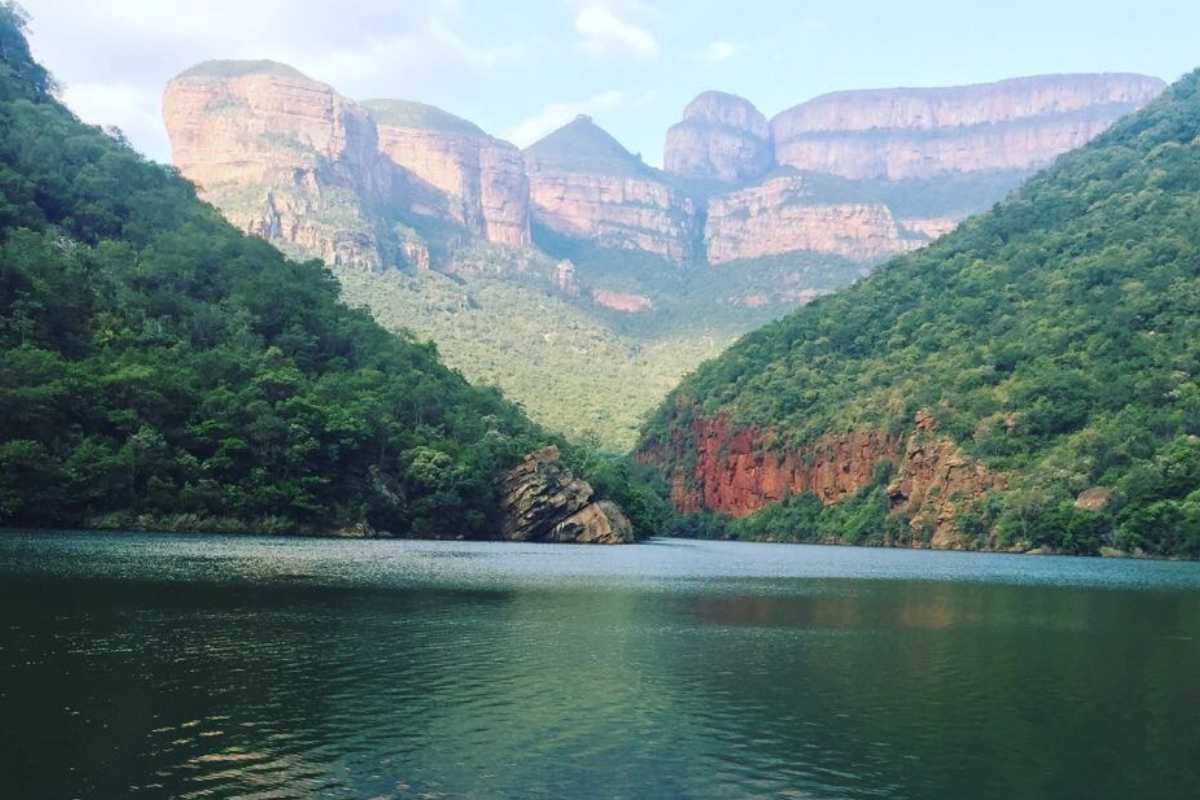
 Just a stone’s throw away from Hoedspruit, the Blyde River Canyon Reserve boasts some of the most dramatic landscapes in South Africa. It is the world’s third-largest canyon and features spectacular views, including the Three Rondavels, towering rock formations that overlook the verdant canyon. The reserve offers numerous hiking trails and viewpoints, providing visitors with breathtaking panoramas of the canyon and its lush surroundings.

A couple of exciting things to do in and around the Blyde include:

Panoramic Route Tours: offer a breathtaking journey through South Africa’s Mpumalanga Province, showcasing stunning natural wonders like Bourke’s Luck Potholes, God’s Window, and the Three Rondavels, alongside some charming historic towns.

Blyde Boat Cruise:  experience the Blyde Canyon, amongst the largest in the world, whilst you glide over its life giving waters, spoilt by spectacular scenic views, rich biodiversity, and unique geological formations.

Driving to the Mariepskop Viewpoint: Notorious for its unrivalled views and ancient vistas, Mariepskop is a great way for the family to enjoy a picnic and swim amongst its waterfalls

3 – ADVENTURE ACTIVITIES GALORE

For those seeking an adrenaline rush, Hoedspruit delivers a plethora of adventure activities. No matter what level of fun you’re after there is something for everyone to enjoy and these activities cater to a range of interests and fitness levels, ensuring that every visitor finds their own level of fulfillment:

Hot Air Ballooning: Join the Suncatchers team as you float over luscious farm lands and spectacular wildlife havens   

Big Cat Encounters: Experience what our committed brothers and sisters are up to at the Hoedspruit Endangered Species Centre (HESC) dedicated to the rescue, rehabilitation, and breeding of endangered and vulnerable wildlife.  Alternatively you can enquire at Tshukudu Game Lodge just outside Hoedspruit  https://www.tshukudulodge.co.za/

Zip-Lining and Canopy Tours: Part of the panoramic route, the Graskop Gorge Lift Co. offers a unique experience, featuring a glass elevator, beautiful walking trails, suspension bridges and a variety of aerial delights.

Blyde River Canyon Adventures: is a hub for outdoor enthusiasts, offering a wide range of activities from Quad Biking to Paint ball and more 

Hiking trails with breathtaking views: choose from a variety of spectacular hikes in and around Hoedspruit offering differing degrees of difficulty.

Well that’s it for todays inside scoop on some of the lekker things to do in and around Hoedspruit. So whether you’re an adrenaline junkie, a nature lover, or a conservation enthusiast, Hoedspruit welcomes you to discover its treasures and create memories that will last a lifetime.

Be sure to check in next week to experience the more of all we have to offer…

Local Markets & Community Gatherings

Local Markets & Community Gatherings

What’s the best way to sample the local culture I hear you ask?  Well, then its time for you to delve into the vibrant community gatherings that encapsulate the spirit of this enchanting little town. Let’s uncover the markets currently making waves in Hoedspruit: 

THE FARMERS MARKET:

A staple on the local community calendar, the Hoedspruit Farmers Market is a treasure trove for those seeking organic, locally sourced produce and artisanal goods. Known for its vibrant atmosphere, this market typically draws crowds eager to sample the freshest fruits, vegetables, and handmade delicacies. Beyond the culinary delights, the market is a hotbed for handmade crafts, offering everything from bespoke jewelry to unique home decorations, all crafted by talented local artisans.

Organised by the Kruger 2 Canyons Biosphere the market takes place on  the first Saturday of each month @ The Farm House / Zandspruit Boulevard https://thefarmhouse.africa/ from 7:30am – 1pm.


FRANCINES FOOD & WINE MARKET:

This market is fresh off the press! In collaboration with Safari Wines its set to be a delightful event taking place at Francine’s Farmhouse & Venue. Scheduled for 3 March 2024, this market promises an enticing blend of culinary and vinous pleasures, running from 10:00 am to 4:00 pm. The venue is known for its tranquil gardens and surrounding citrus trees, providing a picturesque setting for this gastronomic gathering. Visitors can expect a day filled with the finest local food and wine offerings, showcasing the rich flavours and artisanal craftsmanship of all the region has to offer

  •  Admission is R100 per person, which includes a wine glass and tastings. For adults not interested in tasting, the fee is R40.
  • The Event is family and pet friendly. Children under 18 get in free.
  • The Chapel will host a family and pet-friendly Sip n Paint session.

Looking to become a mainstay on the first Sunday of every month, lets make this a reality by showing our continued support for enjoyable and creative events such as these. CANT WAIT!  https://francinesvenue.co.za/

THE HEROTEL BOSVELD VILLAGE FAMILY FUN DAY

The Herotel Bosveld Village Family Fun Day is shaping up to be a fantastic monthly event for families around Hoedspruit, especially with the inaugural event kicking off with an Easter theme on the 31st of March 2024 (11am to 4pm). The transformation from Bosveld Market to a family-oriented day filled with a variety of activities, market stalls, and live entertainment, certainly adds a fresh vibe to the local community scene on the last Sunday of every month.

Having a different theme each month is a brilliant idea to keep the excitement alive and ensure that there’s always something new for attendees to look forward to. For the Easter-themed event, the inclusion of classic activities like an Easter egg hunt, egg toss, and egg and spoon race not only taps into the festive spirit but also ensures fun for all ages. It certainly is a wonderful way to bring the community together.

https://www.facebook.com/bosveldvillage

Look forward to seeing you all out and about supporting local !


Stargazing: Under African Skies

Stargazing: Under African Skies

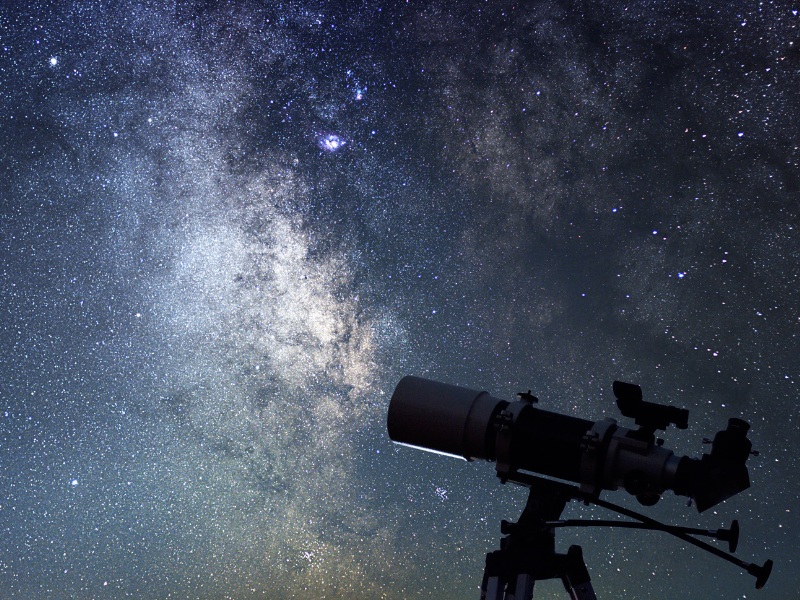
As night falls a magical transformation occurs in the evening sky. Far from the city’s hustle and glare of artificial lights, the heavens above unveil a celestial spectacle unlike any other and the subsequent ethereal beauty transforms Hoedspruit into a stargazer’s paradise.

THE MAGIC OF THE AFRICAN NIGHT SKY:

Looking up at the sky, one is greeted by a tapestry of heavenly hosts that tell tales older than time itself. Here, the constellations of the southern hemisphere, such as the Southern Cross, Scorpius, and Orion become experientially vivid and almost tangible. Depending on the season, stargazers can witness a variety of astronomical events, from meteor showers to the surreal glow of the Milky Way.

 NOTABLE SPOTS FOR STARGAZING:

Hoedspruit boasts numerous spots that offer unobstructed views of the night sky. The open savannahs and elevated terrain provide a panoramic and an uninhibited backdrop for night-sky enthusiasts:

Balule Nature Reserve:

Set within the Greater Kruger National Park, Balule is a prime spot for stargazing. The absence of city lights and the reserve’s vast, open landscapes create perfect conditions for an unobstructed views. Guided night drives can be an exhilarating way to combine wildlife viewing with stargazing. https://balulenr.co.za/index.html

Moholoholo Mountain View Camp:

Nestled at the base of the majestic Drakensberg mountains, this camp offers a unique stargazing experience. The higher altitude and clear skies provide a breathtaking view of the Milky Way. The camp often organizes special stargazing sessions for guests, making it ideal for both beginners and seasoned sky watchers. https://www.moholoholo.co.za/

Blyde River Canyon:

Though primarily known for its stunning natural beauty, the Blyde River Canyon area also offers fantastic stargazing opportunities, especially at viewpoints along the canyon’s rim. The combination of high elevation and low light pollution makes for an incredible stargazing experience.

Mariepskop Viewpoint:

For a truly unique stargazing experience, head to Mariepskop, one of the highest peaks in the region. The elevation offers a panoramic view of the night sky which is especially good for photography enthusiasts. The self-catering chalets scattered around the mountain offer a variety of accommodation requirements.

Tshukudu Game Reserve: 

Located near Hoedspruit, Tshukudu is known for its tranquil setting and clear night skies. The reserve’s open areas are perfect for laying back and admiring the stars with some lodges offering night safaris that can include stargazing. https://www.tshukudulodge.co.za/

STARGAZING FOR BEGINNERS:

For those new to stargazing, the African sky offers an easy introduction. Simple tools like binoculars can reveal the craters of the moon or the rings of Saturn. Mobile apps can help identify constellations and planets. The key is patience and curiosity – the night sky is constantly changing, and there’s always something new to discover.

GUIDED STARGAZING EXPERIENCES: 

For a more structured exploration, consider joining a guided stargazing tour. Local experts use powerful telescopes and share insights about the cosmos, enriching the experience. These tours often cater to different levels of interest and expertise, making them ideal for everyone from families to avid astronomers. 

CONSERVATION AND THE NIGHT SKY:

The area as a whole has a deep understanding of the importance of preserving natural night sky. Light pollution, a growing concern worldwide, not only dims our stars but also disrupts ecosystems. Local initiatives strive to minimize artificial light, ensuring that the beauty of the night sky can be enjoyed for generations to come.

So stargazing in Hoedspruit is more than just a pastime; it’s an experience that connects us to the vastness of the universe and the beauty of our natural world. Whether you’re a seasoned astronomer or someone who simply appreciates the night sky’s beauty, we offer an unforgettable experience under a star spangled canopy.

The Serpentine World of Hoedspruit

The Serpentine World of Hoedspruit

Hoedspruit is a naturally blessed region, teeming with biodiversity. Today we’ll look at a fascinating array of snake species, shedding light on them (excuse the pun), the role they play in the local ecosystems, interactions they have with the human population and basic safety tips.

The Famous Cast:

Hoedspruit’s warm climate and varied habitats, from the savannahs to riverine forests, make it an ideal home for a wide range of snake species. Each of these have adapted uniquely to the local environment, playing crucial roles in balancing our delicate ecosystem’s. The most common of these include the:

African Rock Python: Gentle Giants

Africa’s largest snake can often be spotted basking on rocks or silently gliding through water bodies in search of prey. Despite their intimidating size, these pythons are non-venomous and pose little threat to humans unless provoked or threatened.

Black Mamba: Speedy and Venomous

Feared for its potent venom and rapid speed, is a snake that commands respect. Encounters with humans are rare, and bites are largely defensive. Education and awareness have led to a better understanding of this species, reducing unwarranted fear and promoting coexistence.

Puff Adder: Camouflaged Ambushers

With their distinctive camouflage, Puffadders are masters of disguise. Their ability to blend into the surroundings makes them hard to spot and are thus responsible for many of the snakebite incidents. Awareness and education on avoiding snakebite incidents have become crucial in the region.

Mozambique Spitting Cobra: Defensive Venom Spitters

Known for its ability to spit venom (as a defence mechanism), The Mozambique Spitting Cobra is another fascinating species found in Hoedspruit. While their venom can cause significant harm, these cobras are more inclined to flee than fight, spitting venom only when cornered or threatened.

The Benefits of Snakes for our Local Ecosystems:

  1. They help control animal and insect populations.
  2. Pest control – particularly in agricultural and rural settings.
  3. Biodiversity indicators: their presence is a good indicator of ecological health.
  4. Nutrient recycling: Snakes contribute to the cycling of nutrients within an ecosystem.
  5. Ecological research value: Studied for their venom, which has many medical applications.

Human-Snake Interactions: Snake Safety:

The relationship between Hoedspruit’s human inhabitants and its serpentine residents is one of cautious coexistence. Education plays a pivotal role in this relationship, with local conservation organizations working tirelessly to educate the public on snake behaviour, the importance of snakes in the ecosystem, and how to react in the unlikely event of a snake encounter. Snake rescue and relocation services are also available to safely remove snakes from human dwellings, further reducing potential conflicts. Check out Tim Baynham our very own Snake Wrangler and the wonderful work he does with our slithering friends.

 https://wildlifesafetysolutions.co.za/

Snake 101’s:

Stay Informed: Being able to identify the different species can help you distinguish between those that are harmless and those that are potentially dangerous and venomous.

https://www.africansnakebiteinstitute.com/category/snakes/southern-african-snakes/

Watch Your Step: When walking in the bush, tall grass, or rocky areas, always look where you are stepping.

Avoid Provoking Snakes: Maintain a safe distance and allow the snake to move away. Snakes are more afraid of you than you are of them.

Wear Protective Clothing: When hiking or walking in areas where snakes may be present, wear long pants and boots that cover the ankles to minimize the risk of exposed skin.

Use a Light at Night: Snakes can be active at night, especially in warmer weather. Always use a flashlight or headlamp in dark areas

Check Before You Reach: Be cautious when reaching into areas out of clear view, such as  picking up rocks, firewood, or when accessing storage spaces.

Keep Campsites Clean: Avoid attracting rodents by keeping your campsite or outdoor area clean and free of food scraps.

Snake-proof Your Home: If living in or visiting a place like Hoedspruit, ensure that your home is snake-proofed by sealing any gaps or installing gauze in front of windows and doors.

First Aid Knowledge: Know the basics of snake bite first aid, which includes keeping the victim calm and still to slow the spread of venom, calling for emergency medical help immediately, and avoiding outdated and potentially harmful techniques like incisions or sucking out the venom.

Emergency Contacts: Always have on hand the contact information for the nearest hospital, clinic, or snake bite emergency service in the Hoedspruit area.

 https://visithoedspruit.com/hoedspruit-emergency-contacts/

Conservation Efforts:

Conservation efforts in Hoedspruit are not just about protecting snakes but also about preserving the habitats they rely on. Habitat loss due to human expansion poses a significant threat to snake populations. Conservationists are engaged in habitat restoration projects and anti-poaching efforts to ensure these creatures, and the biodiversity they represent, remain a thriving part of Hoedspruit’s natural heritage.

So come visit us in Hoedspruit and learn more about our wonderful friends!

Disclaimer: The snake safety tips provided herein are for general informational purposes only and are not intended to be a substitute for professional advice, diagnosis, or treatment. While we strive to provide accurate and up-to-date information, we make no representations or warranties of any kind, express or implied, about the completeness, accuracy, reliability, suitability, or availability with respect to the information, products, services, or related graphics contained in this advice for any purpose. Any reliance you place on such information is therefore strictly at your own risk.

We do not assume any responsibility for the specific safety measures or actions taken by individuals as a result of reading this advice. The presence of snakes and the appropriate safety measures can vary greatly depending on geographical location, time of year, and specific local wildlife populations. We strongly recommend consulting local wildlife experts, health professionals, or emergency services for specific advice and training relevant to your particular situation or region, such as Hoedspruit.

In case of a snake bite or wildlife emergency, immediately contact local emergency services or a healthcare provider. Do not delay seeking professional medical help based on anything you have read here.

We disclaim any liability for incidents or injuries resulting from the use or misuse of the information provided. Always exercise caution and respect towards wildlife and follow local guidelines and laws regarding wildlife interaction and conservation.