Camper’s Haven: Exploring the Enduring Charm of Kampersrus

Camper’s Haven: Exploring the Enduring Charm of Kampersrus

Cradled at the foot of the towering Drakensberg Mountains, Kampersrus is a small, unassuming village that holds within it the nostalgic beauty of South Africa’s Lowveld.

Often overshadowed by its more famous neighbours like Hoedspruit, this little village offers a unique blend of natural beauty, history, and a sense of community that makes it a must-visit destination for both locals and tourists.

In essence, its so much more than a quaint little village -“Kampers” as its affectionately known is a story worth experiencing, and we at VisitHoedspruit.com believe it deserves a little more attention. So join me as we spotlight the abode that our brothers and sisters down the R531 call home… 

THE ORIGINS OF KAMPERSRUS: A RESTING PLACE FOR TRAVELLERS

Kampersrus, a small nook hidden within the recesses’ of our beloved Lowveld, has roots that stretch deep into the history of the Northern Drakensberg. Its story began in the 1930s when a pioneering famer named  Broer Maré, driven by a vision of creating something lasting, acquired a farm holding named Bedford. With determination and a nod to the past, he transformed this land into what is now known as Kampersrus, or “camper’s rest” today. The name pays homage to the journey of Louis Trichardt and his followers, who passed through this very region in 1838 during their epic trek. 

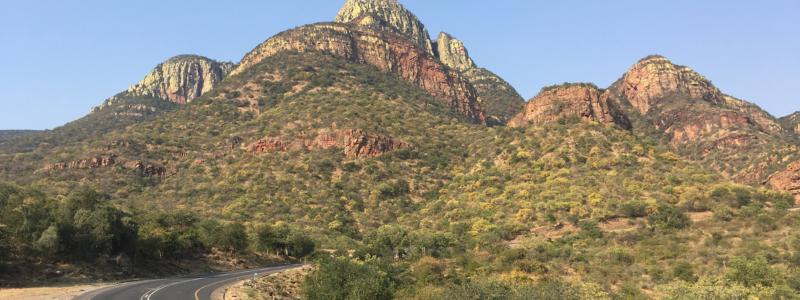
Watched over by the Mariepskop Mountain, one of the towering peaks of the Drakensberg, Kampersrus offers not only stunning scenery but a peaceful atmosphere. Though small in size, the village has preserved a strong sense of community, with some of its residents being descendants of the original settlers, accentuating their connection to the land and its history.

The “suburb” forms part of a broader biosphere that includes the renowned Kruger National Park and the Drakensberg mountains, fostering a unique ecosystem where nature plays an integral role in the daily lives of its inhabitants. The surrounding communities, including Acornhoek and the commercial farms around Mariepskop, rely on the mountain’s natural resources for their livelihood.

THE HEART OF A SMALL TOWN:   

What truly sets Kampersrus apart though, is the charm of its “small-town life”. Despite its modest size, the village lacks nothing when it comes to vibrancy, community and hospitality. 

Today, Bougainvilla Street is the heart of Kampersrus, bustling with a variety of local businesses that cater to the community’s ever growing needs. Along this charming street, you’ll find a business centre, small shops, cozy eateries, and unique boutiques – with offerings also including a butchery and deli, a general store, printing services, and educational activities for kids, ensuring value add for both its residents and visitors.

Often a venue for both markets and events, locals come together to share their wares, stories, and hospitality with visitors, these gatherings offer a glimpse into the everyday life of the suburb, where people know each other by name and take pride in their closely-knit community.


    NATURAL BEAUTY: A GATEWAY TO THE LOWVELDS WONDERS

    Considered a gateway, Kampers provides one an opportunity to recharge and refuel (both literally and figuratively) before engaging with some of South Africa’s most breathtaking natural wonders. 

    Perched on the edge of the Blyde River Canyon, one of the largest and most verdant canyons in the world. The proximity to such a natural feature makes Kampersrus an ideal base for exploring the surrounding landscapes.

    The Blyde Dam, located at the heart of the Blyde River Canyon, offers boat trips that provide a unique perspective on the canyon’s towering cliffs and rich biodiversity, which is home to a variety of fish species, crocs, hippos and numerous bird species.

    One of the most significant historical landmarks near Kampersrus is Mariepskop, the highest peak in the Drakensberg range at 1,945 meters. Mariepskop is named after Chief Maripi Mashile, a local leader who played a crucial role in the area’s history. The peak not only offers stunning views of the surrounding Lowveld but also has historical significance. During the Cold War, the South African Air Force established a radar station on the summit, due to its strategic location.

    Visitors can hike or drive to the summit of Mariepskop, where they are rewarded with panoramic views, dense forests and cascading waterfalls. On a clear day, one can see all the way to the Kruger National Park in the east and the low-lying plains of Mpumalanga. 

    The Panorama Route is also easily accessible from Kampersrus, offering one of the most scenic drives in the country. This route takes visitors through a series of stunning viewpoints, including God’s Window, Bourke’s Luck Potholes, and the Three Rondavels.

    A HUB FOR CONSERVATION AND EDUCATION:

    Presenting more than just beauty and history; Kampersrus is also a hub for conservation and education. The village is located near several important conservation centers in particular the Moholoholo Wildlife Rehabilitation Centre. These centers play a crucial role in the protection and rehabilitation of endangered species in South Africa. 

    Focused on rehabilitating injured and orphaned wildlife, their aim is to release these animals healthy, restored and equipped for a life back in the wild. Moholoholo offers guests the opportunity to meet some of the animals currently being cared for and learn about the challenges of wildlife conservation in a country where human-wildlife conflict is a significant issue.


    THE IDEAL DESTINATION FOR LOCALS AND TOURISTS:

    Kampersrus certainly offers something for everyone, making it the perfect destination for both locals and tourists alike.

    For locals from surrounding areas, and speaking as a “Hoedspruiter” myself, Kampers often forms part of a lovely day out with friends and family, as the mountain and its surrounds are within arm’s reach, making it the proverbial “home away from home”.

    For international tourists, the Village offers an authentic South African experience, away from mainstream tourist spots. It’s a chance to see the country’s wildlife and landscapes up close, to meet its people, and to learn about its history in a setting that feels both intimate and grand.

    Proximity to major attractions makes it an ideal base for exploring the Lowveld. Yet, Kampersrus itself remains a peaceful retreat, where visitors can relax and enjoy the slower pace of life in the countryside. Whether you’re seeking adventure, relaxation, or a deeper connection to South Africa’s culture and wildlife, Kampersrus offers everyone something. 


    A HIDDEN GEM WAITING TO BE UNCOVERED

    So next time you’re in Hoedspruit or visiting any of the surrounding attractions, be sure to pencil this quaint locale in on your itinerary. Pop in for a bite to eat or something cool to drink, all while savouring the grandeur of our Mountain.
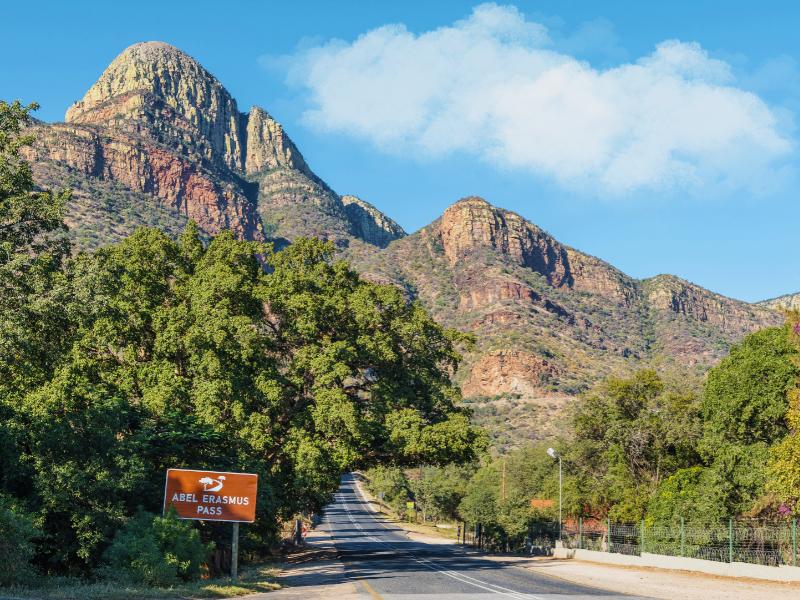
     

    The Abel Erasmus Pass: Gateway to Natural Splendour & Self Discovery

    The Abel Erasmus Pass: Gateway to Natural Splendour & Self Discovery

    The Abel Erasmus Pass is one of South Africa’s most scenic and historically significant mountain passes. Nestled in the Drakensberg Escarpment, the pass connects the towns of Ohrigstad and Hoedspruit, offering breathtaking vistas and a rewarding journey through a tapestry of rich cultural heritage.

    In this blog we’ll explore the pass’s history, geographical significance, and what travellers can expect when traversing this majestic route.

    THE HISTORY BEHIND THE PASS:  

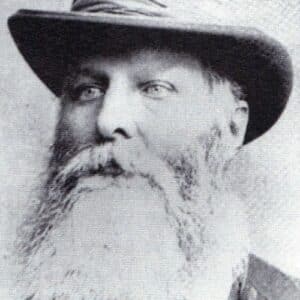
    The Abel Erasmus Pass takes its name from Abel Jacobus Erasmus (1845-1912), a prominent and respected figure in South African history. Known for his leadership and integrity, Erasmus served as a member of the Volksraad, the parliament of the former Transvaal Republic. His legacy, however, transcends politics as He is celebrated today for his efforts in maintaining peace and fostering positive relationships between the Boers and the local indigenous tribes. His diplomacy and commitment to harmony helped bridge cultural divides, leaving a lasting impact on the region’s history .

    Abel Jacobus Erasmus: A Pillar of the Lowveld (1845 – 1877)

    Abel Jacobus Erasmus was born in 1845 in Weenen, Natal. Shortly after his birth, his father passed away, prompting his mother to join the Great Trek under Hendrick Potgieter, eventually settling in Ohrigstad. Abel spent much of his early life working on the family farm, honing his skills as a hunter and farmer. By the time he married at the young age of 19, he had already established himself as a proficient hunter and capable farmer.

    After their marriage, Abel and his wife moved to Krugerpost, where his exceptional hunting skills quickly earned him the respect of the local community. He acquired property in the Graskop area, which turned out to be rich in gold. President Burgers of the Transvaal Republic purchased the land from him, recognizing its value.

    In 1876, Abel was elected to the Lydenburg council and appointed field cornet during a period of tense confrontations with the Pedi, led by the formidable Sekhukhune. Although a peace agreement was eventually reached, these events culminated in the British annexation of the Transvaal in 1877. Following the annexation, both Sekhukhune and Erasmus were arrested by the British administration, based on accusations from Sekhukhune. They were both eventually released.

    1881 and Beyond

    After the successful outcome of the First Anglo-Boer War, Abel Erasmus was appointed Native Commissioner by the new Transvaal government. In this role, he served as a crucial intermediary between the government and the local populations. His duties often included assisting expeditions, such as the one that marked the borders between the South African Republic, Portuguese East Africa, and Swaziland.

    Erasmus was highly respected among the local groups in the Lowveld. Known for his firm but fair approach, he adeptly managed hostilities and maintained peace. His prowess as a hunter earned him the nickname “Dubula Duze,” meaning “he who shoots from close up,” a testament to his skill in taking down game from short distances.

    Abel Erasmus remains a significant figure in the early history of the Lowveld, remembered for his role as a vital link between the Boer government, the British, and the local African communities. His contributions to the region’s development and his efforts in fostering peaceful relations have left an enduring legacy.

    The construction of the pass itself was part of a larger initiative to improve infrastructure and facilitate trade and movement within the region. During the gold rush era, routes like the Abel Erasmus Pass were vital in connecting the interior goldfields with the coastal ports. The pass allowed for the transportation of goods and people, significantly contributing to the economic development of the area.

      GEOGRAPHICAL FEATURES:  

      Modernised construction began in the 1950s and was completed in the 1960s to improve access between the towns of Tzaneen and Lydenburg (now Mashishing), facilitating the transportation of goods / products (mostly agricultural and mining related in nature) through the Drakensberg Escarpment.

      The pass spans approximately 30 kilometers, winding through the rugged terrain of the Drakensberg Escarpment. The elevation reaches up to 1,200 meters, offering spectacular views of the Blyde River Canyon, one of the largest canyons in the world. The pass also provides a gateway to the Kruger National Park, making it a popular route for tourists heading to this famous wildlife reserve.

      Travelers on the pass can witness diverse flora and fauna, including indigenous plant species and wildlife such as antelope, baboons, and various bird species. The geological formations visible from the pass are equally impressive, showcasing the dramatic cliffs and deep gorges that characterize the Drakensberg region.

         TRAVEL TIPS AND HIGHLIGHTS: 

        Best Time to Visit: The Pass can basically be enjoyed all year-round, and there are two schools of thought here. For me personally though, I love the area post the major rains which happens between the months, November to March. The hills come alive and are lush, and with water levels replenished, the waterfalls are often in full splendour.

        Popular perception however, is that the best time to experience the pass and its surrounds is in the dryer months (May to September) when the weather is cooler and more stable. Golden hues dominate as the bushveld beckons. 

        Scenic Stops: There are several lookout points along the pass where travellers can stop and take in the panoramic views. The J.G. Strijdom Tunnel, an iconic landmark, is a must-see.

        Named after former South African Prime Minister Johannes Gerhardus Strijdom, it was inaugurated on May 8, 1959, along with the nearby pass and is a remarkable engineering feat that spans 133 meters.

        A popular stop for tourists traveling through, the roadside is bustling with vendors and artisans selling souvenirs to visitors who’ve come to admire the tunnel, the Kadishi Tufa Waterfall, or to capture photographs of the Olifants River below. *Don’t forget to honk your horn!

        Wildlife and Nature: Keep an eye out for wildlife and enjoy the rich biodiversity of the area! The pass cuts through the Blyde River Canyon Nature Reserve (also known as the Matlatse Canyon Provincial Nature Reserve), providing ample opportunities for nature enthusiasts and adventure seekers.

        Safety Tips: The road can be challenging due to its winding nature and steep inclines. It’s advisable to drive cautiously, especially during rainy and misty conditions when the road can become slippery and visibility poor.

        The road surface itself is in relatively good condition (considering), but patience is advised as there are often trucks with loads making use of the pass, so have your wits about you and obey the road signs.


        ACTIVITIES AND ATTRACTIONS NEARBY:

        Blyde River Canyon: Explore the third largest canyon in the world, with numerous hiking trails, boat tours, and breathtaking viewpoints such as the Three Rondavels.

        Kruger National Park: One of Africa’s largest game reserves, offering unparalleled wildlife viewing experiences. The pass provides convenient access to the park’s Phalaborwa and Orpen Gates.

        Cultural Tours: Learn about the local Pedi culture through guided tours that offer insights into the region’s history, traditions, and crafts.

        Adventure Activities: For thrill-seekers, the area offers activities such as hiking, hot air ballooning quad bike safaris / trails boat cruises and so much more.

        Be sure to check out our activity page for more information

        In Closing…

        To Hoedspruit locals (and many will attest to this), the Abel Erasmus Pass is more than just a route – especially when returning from Johannesburg or a major city on business or otherwise. It’s a process of decompressing, realigning and syncing one’s heart and soul with that of the bushveld – a spiritual bonding of sorts, a tonic for the soul.

        Once you’ve passed through the Strydom Tunnel it’s as if a weight has been lifted off your shoulders, clarity of thought has returned and a sense of peace established. So, whether you’re a history buff, nature lover, or adventure enthusiast, this pass has something to offer for all. 

        Be sure to get in touch with us and we’ll gladly share the magic of the lowveld with you!

        The Lure of the Lowveld: Hoedspruit’s spiritual heartbeat

        The Lure of the Lowveld: Hoedspruit’s spiritual heartbeat

        Woven into the fabric that is South Africa, the Lowveld is a region that captivates the heart with its stunning landscapes, rich biodiversity, and profound cultural heritage. This area, often overshadowed by its more “famous” neighbours, is a treasure trove of natural beauty and adventure waiting to be explored.

        But what exactly is the Lowveld, and why does it hold such a special place in the hearts of Hoedspruiters and South Africans in general?

        UNPACKING THE TERM: LOWVELD

        A compound word made up of “low” (meaning situated near the ground) and “veld” (an Afrikaans term for open, uncultivated grassland common in Southern Africa).

        Together, “Lowveld” describes the low-lying grassland areas found between the Drakensberg and Lebombo Mountains in Northeastern South Africa. This term highlights the region’s characteristic low altitude and its expansive, grassy terrain.

        This region spans portions of both the Mpumalanga and Limpopo provinces and is characterised by its subtropical climate, lush vegetation, and diverse wildlife. Derived from its geographical position its name signifies that it is much lower in altitude to that of the Highveld, which is the elevated plateau that dominates a healthy chunk of the central part of our country.

        The Lowveld’s geography is a canvas of contrasting features—from sprawling savannahs and dense forests to rolling hills and winding rivers. With hot, wet summers and mild, dry winters, its a year-round paradise for nature lovers and adventurers alike.

        WikiMedia Commons: “Lowveld map 1” by AranErens is licensed under CC BY-SA 3.0. Creative Commons Attribution-Share Alike 3.0 Unported.

        A BIODIVERSITY HOTSPOT

        Our Crown Jewel: The Kruger National Park

        One of the most remarkable aspects of the Lowveld is its incredible biodiversity. As it is home to the renowned Kruger National Park ,one of the largest and most famous game reserves in Africa. Visitors are often treated to the majesty of the Big Five (lion, leopard, rhino, elephant, and  buffalo) roaming freely in their natural habitat and boasting over 500 bird species its a spectacular treat for birders and nature enthusiasts alike. 

        The area stretches over nearly 20,000 square kilometers, offering unparalleled vistas and wildlife interactions that will sit fondly in the memory bank for years to come. So whether you’re embarking on a self-drive safari or a guided tour, the thrill of spotting a lion pride on the prowl or elephants at a watering hole is an experience like no other.

        Private Game Reserves

        Beyond Kruger, the Lowveld is dotted with numerous private game reserves and wildlife sanctuaries. These conservation areas play a crucial role in protecting endangered species and promoting sustainable tourism, ensuring that future generations can enjoy the region’s natural wonders. Reserves like Sabi Sands, Timbavati, and Manyeleti offer exclusive safari experiences, often with the added luxury of private lodges and expert guides.

        Birdwatching Paradise

        Spot the rare Pel’s Fishing Owl along some of our most famous rivers banks or marvel at the colorful Narina Trogon in the dense Afromontane forests of our grand Mariepskop.

        The Lowveld’s blend of savannas, woodlands, and wetlands is not just for seasoned birders, this region offers an immersive experience where local experts offer guided birding tours for unparalleled photographic opportunities, making it a must-visit destination for any nature lover.

          THE SPIRITUAL SIGNIFICANCE OF THE BUSHVELD

          For many South Africans, the bushveld holds deep spiritual significance. The connection to the land is rooted in centuries-old traditions and beliefs. The vast, open landscapes, punctuated by the iconic silhouettes of Baobab and Marula trees, evoke a sense of peace and connection to nature.

          Nature’s Symphony

          In the bushveld, the rhythms of life are governed by the natural world. The sunrise and sunset mark the passage of time, and the sounds of wildlife create a symphony that resonates with the soul. Many locals and visitors alike find solace and rejuvenation in these serene surroundings, far removed from the hustle and bustle of urban life.

          Cultural Heritage

          The Lowveld is not only a haven for wildlife but also a region rich in cultural heritage. It is home to numerous archaeological sites and rock art from the San people, providing a glimpse into the ancient history of the area. These historical treasures offer insight into the lives of early inhabitants and their relationship with the environment.

          Modern-day communities in the Lowveld continue to celebrate their cultural traditions through vibrant markets, traditional crafts, and local festivals. Visitors have the opportunity to engage with these communities, gaining a deeper understanding of their way of life and the enduring connection between people and the land.

            ADVENTURE AWAITS:

            For those seeking adventure, the Lowveld does not disappoint. The region offers a plethora of activities, from exhilarating game drives and hot air balloon rides to quad biking adventures and hiking trails. Take your pick…

            The panorama route, a scenic drive that includes breathtaking viewpoints like God’s Window, Blyde River Canyon, and Bourke’s Luck Potholes, is a must-visit for anyone exploring the area.

            Safari Adventures

            No visit to the Lowveld would be complete without embarking on a safari. Whether you prefer the rugged experience of a 4×4 game drive or the intimacy of a walking safari (bush walk),the options are endless. Guided tours provide more heightened, experiential value, offering local insights and first hand accounts into the behavior and ecology of the fauna and flora you’re currently immersed in.


            VISITING HOEDSPRUIT: THE HEART OF THE LOWVELD

            Hoedspruit serves as the perfect gateway for exploring this enchanting region. Known for its friendly atmosphere and strategic location, Hoedspruit offers a blend of convenience and charm, making it an ideal base for all your adventures.

            Why Hoedspruit?

            Hoedspruit is more than just a town; it’s a community that embodies the spirit of the Lowveld. Surrounded by game reserves and natural attractions, it provides easy access to some of the region’s most iconic sites. Whether you’re staying in a luxury lodge, a cozy guesthouse, or a self-catering chalet, you’ll find accommodations to suit every preference and budget.

            So, the next time you’re planning an escape, consider the Lowveld—South Africa’s hidden gem that promises an unforgettable experience. And when you do, make sure to get in touch with VisitHoedspruit.com to make the most of your journey into this enchanting land.


              Africa’s Anchors: The Essence of Fatherhood

              Africa’s Anchors: The Essence of Fatherhood

              Hoedspruit is a town where nature and humanity intertwine in the most profound of ways. It is a place where the call of the wild harmonizes with the laughter of children, creating an environment that shapes the essence of fatherhood uniquely. Being a dad in Hoedspruit means more than just fulfilling the role of a parent; it involves embracing the intricate dance between human life and the natural world and fostering a deep connection with both.

              Distinguishing between a Father and a Dad:

              Before delving into what it means to be a dad in Hoedspruit, it’s essential to distinguish between the concept of a father and a dad.

              Father is a biological term, denoting a male parent who contributes to the creation of a child. However, being a dad goes beyond biology. A dad is a protector, a mentor, a friend, and a guide. He is actively involved in his children’s lives, providing emotional support, teaching life lessons, and nurturing their growth. In Hoedspruit, this distinction takes on even more significance as the natural surroundings add layers of responsibility and connection.

              So join me as we briefly honour our Dads both far and wide. Here’s to our guardians, our custodians and most importantly our super heroes – this ones for you 

              EMBRACING THE WILD : ROLES AND LESSONS FROM NATURE IN FATHERHOOD

              Back home, nature is not just a backdrop; it is an active participant in the lives of our families. The town’s proximity to wildlife reserves, national parks and farm lands means that our children often grow up with a profound appreciation for the environment. Most dads in Hoedspruit take on the role of nature guides, introducing their children to the wonders of the wild. They teach them to respect and coexist with both the fauna and flora that comprise our wonderful bushveld, instilling values of conservation and stewardship from an early age.

              Lessons from the Wild

              One of the most significant advantages of raising children in Hoedspruit is the opportunity to learn from nature. Dads here often use the natural world as a classroom, imparting lessons that go beyond the convention of textbooks. For example, observing the behaviour of a lion pride can teach children about the importance of family bonds and teamwork, while watching a herd of elephants can illustrate the values of community and empathy. These real-life lessons are invaluable in shaping the character and values of the next generation.

              The Lion: Teaching Strength and Family Bonds

              In the wild, male lions play a critical role in protecting their pride. While lionesses do most of the hunting, the male’s job is to defend the pride’s territory from intruders and threats. This protective nature mirrors the role of many dads in Hoedspruit who act as their family’s safeguard, ensuring their children grow up in a safe and secure environment. Just as a lion’s roar can be heard for miles, a dad’s influence and guidance resonate throughout his children’s lives, teaching them the importance of strength, loyalty, and family bonds.

              The Elephant: Demonstrating Empathy and Leadership

              Elephants are known for their strong social structures and emotional depth. Male elephants, or bulls, often take on leadership roles within their groups, guiding younger elephants and teaching them crucial survival skills. Dads lets learn from these gentle giants and reflect these qualities by being empathetic leaders within our families. Let’s show our children how to navigate life’s challenges with kindness and wisdom.

              The Fish Eagle: Balancing Provision and Nurturing

              Fish eagles are dedicated parents, with males often sharing the responsibility of hunting and caring for their young. They demonstrate a balance between provision and nurturing, ensuring their offspring are well-fed and protected. Similarly, so many dads in our town juggle their roles as providers and nurturers, making sure their children have everything they need to thrive while also offering emotional support and guidance.

              THE HUMAN ELEMENT: BUILDING STRONG FAMILY FOUNDATIONS

              While nature plays a significant role in shaping fatherhood in Hoedspruit, the human element is equally important. Being a dad means providing a stable and loving environment where children can thrive emotionally and intellectually. In Hoedspruit, the reality of a close-knit community supports this endeavour, with neighbours often becoming extended family members.

              Emotional Support and Guidance

              I would like to think that in general Dads here understand the importance of emotional intelligence. They are not just providers; they are nurturers who listen to their children’s fears, dreams, and aspirations. Whether it’s helping with homework, offering advice on friendships, or simply being a shoulder to cry on, dads need to be involved in their children’s emotional development.

              Role Models of Integrity

              Integrity is a cornerstone of fatherhood and needs to be championed both within our immediate and greater environments. Dads need to lead by example, demonstrating the importance of honesty, respect, and responsibility. Teach your children that success is not just about personal achievements but also about contributing positively to society. By participating in community projects and conservation efforts, fathers in Hoedspruit instill a sense of civic duty and environmental responsibility in their children.

              THE FUTURE OF FATHERHOOD IN HOEDSPRUIT: 

              As Hoedspruit continues to evolve, so does the role of fathers in our community. The challenges of modern day life, with it intricate technology and changing social dynamics, requires dads to continually adapt while maintaining the core values that define fatherhood in this unique town.

               Balancing Technology and Nature

              While technology offers many benefits, it can also create a disconnect from nature. Dads in Hoedspruit are usually mindful of this balance, ensuring that their children remain connected to the natural world. They encourage outdoor activities and limit screen time, fostering a healthy relationship with technology that complements rather than replaces real-world experiences.

               Embracing Diversity and Inclusion

              Hoedspruit is a melting pot of cultures and backgrounds, and this diversity enriches the experience of fatherhood. Dads in the community celebrate this diversity, teaching their children to appreciate different perspectives and traditions. They emphasize the importance of inclusion and respect, preparing their children to be global citizens who value unity in diversity.

              THE HEART OF FATHERHOOD IN HOEDSPRUIT: 

              Being a dad in Hoedspruit is a unique and fulfilling journey. It is a role that blends the beauty of nature with the depth of human connection, creating an environment where children can thrive.

              Fathers in Hoedspruit take up your rightful place as caregivers, stewards of our land and  mentors to our youth. Teach our children to appreciate the world around them, to value integrity, and to embrace their responsibilities with compassion and dedication.

              This fathers day we honour the timeless values you uphold and the lessons you impart. May your stories inspire our kids to recognize the profound impact that a dedicated dad can have, not just on his family, but on the greater community at large.

              So from all of us here a Visit Hoedspruit, a very HAPPY FATHERS DAY to all our Dads!

              Things to do with Kids in Hoedspruit – The Adventure Destination for Families

              Things to do with Kids in Hoedspruit – The Adventure Destination for Families

              When it comes to family adventures, Hoedspruit offers an experience that blends fun, discovery, and the indelible beauty of nature. Our enchanting little town is not just a destination; it’s a backdrop for a family getaway that promises laughter, learning, and a bond with nature, appealing to both the young and the young at heart. Whether you’re making the journey from afar or are a resident, Hoedspruit stands as an unbeatable choice for a holiday filled with tons of fun and educational things to do with your kids.

              So join me as we unpack all there is to do, see, and experience with your tribe as you vacation in the Safari Capital of South Africa.

              A SAFARI ADVENTURE:

              Imagine the wide-eyed wonder of your children as they spot an elephant for the first time or hear the distant roar of a lion. This is the heart of the experience in Hoedspruit, where traditional outings are transformed into thrilling safari adventures. Positioned near the renowned Kruger National Park and various private game reserves, Hoedspruit serves as the gateway to witnessing majestic wildlife.

              These safaris are not just about the excitement of spotting animals; they’re designed with families in mind. Operators offer tailored experiences that ensure safety and enjoyment for all ages, from toddlers gripping their parents’ hands in awe to teenagers capturing every moment on their phones. The safaris cater to all levels of adventure seekers, ensuring that everyone in the family can have an unforgettable experience.

              For an optimal safari experience, it’s advisable to book with reputable operators who specialize in family-friendly tours. They often provide child-friendly guides who can engage young minds with fascinating facts about the animals and their habitats. The vehicles used for these safaris are typically equipped with safety features and provide comfortable seating for children.

              FUN AND THE GREAT OUTDOORS: 

              Hoedspruit’s mild climate is perfect for families eager to embrace outdoor activities. The region boasts a plethora of options for all ages, from serene bush walks that reveal the smaller wonders of the African wilderness to exhilarating hot air balloon rides at dawn, offering panoramic views of the vast landscapes below. Bird watching becomes a treasure hunt, as children and parents alike learn to spot and identify the abundant avian species that call this area home.


              BUSH WALKS AND NATURE TRAILS: 

              One of the simplest yet most rewarding activities is a guided bush walk or hiking on one of our nature trails. These walks provide an intimate look at the flora and fauna of the region. Knowledgeable guides lead families through the wilderness, pointing out animal tracks, interesting plants, and teaching about the ecosystem. It’s a wonderful way for children to learn about nature up close, developing an appreciation for wildlife conservation..

              BIRD WATCHING: 

              Hoedspruit is a paradise for bird watchers. Whether its the wide open expanse of the Kruger, the heights of Mariepskop or the aesthetically pleasing Panoramic Route we offer a rich diversity of bird species where families can spend hours spotting and identifying birds.

              Local guides can organize bird watching tours, providing binoculars and field guides to make the experience educational and fun. This activity can easily be combined with a bush walk, enhancing the overall outdoor adventure.

              It’s a chance for families to disconnect from digital distractions and reconnect with each other and the natural world. The shared experiences of laughter and discovery forge lasting memories, making Hoedspruit a refreshing departure from the usual holiday routines.

              CULTURAL IMMERSION AND LEARNING EXPERIENCES:  

              Beyond the wild encounters, Hoedspruit offers a host of cultural immersion opportunities. Visiting local communities opens a window to the vibrant cultures of South Africa. Families can participate in workshops that teach traditional crafts or spend an evening under the stars, listening to stories that have been passed down through generations.

              Nourish Eco Village

              Nourish Eco Village is a must-visit for families interested in sustainability and community development. The village offers tours that showcase their initiatives in permaculture, recycling, and education. Children can participate in hands-on activities like planting seeds or making eco-bricks. It’s an inspiring experience that teaches the importance of environmental stewardship and community support.

              Nyani Cultural Village – Roots of Rhythm

              At Nyani Cultural Village, families can immerse themselves in the local culture through music, dance, and storytelling. The “Roots of Rhythm” show is a vibrant performance that showcases traditional dances and songs. Visitors can also take part in drumming workshops and learn about the history and customs of the local tribes. This cultural experience is both entertaining and educational, providing a deeper understanding of South Africa’s rich heritage.

              For those interested in exploring the rich cultural tapestry of the region, a day at Nourish Eco Village or a cultural tour through the Nyani Cultural Village – Roots of Rhythm provides the whole family with the perfect opportunity to experience the richness of our cultural vibrancy.

              FAMILY FRIENDLY VENUES: 

              The Bosveld Village offers a vibrant play and water park for children, named Bosveld-Kidz. This venue, designed with safety and fun in mind, includes a colourful playground with mini climbing walls, slides, a zip line, splash area, mud kitchen, sand pit, scooter racetrack, and various ground games. It operates weekdays from 10:00 to 18:00 and weekends from 09:00 to 21:00.

              Bosveld-Kidz is a haven for young children. The playground is designed to be engaging and safe, with soft ground surfaces and shaded areas. The variety of activities ensures that children of all ages can find something fun to do. Parents can relax at the on-site café, knowing that their children are playing in a secure environment.

              Driehoek Business Centre slightly further out of town, on the R527 is a vibrant hub catering to a wide array of needs from dining to shopping.

              Tiny Town, nestled within the Centre, is a creative and innovative play space that caters to the imaginations and developmental needs of younger children who can’t quite engage with jungle gyms yet, requiring a more attentive and conducive space.

              Tiny Town is an ideal spot for younger children. The play space is designed to stimulate creativity and development through interactive play. It includes miniature buildings, role-playing stations, and sensory activities. While the kids are entertained, parents can explore the shops and restaurants within the business centre.

              These family-friendly spaces are perfect for allowing parents to relax at nearby restaurants and shops while the children play under the care of dedicated minders. There’s plenty of traditional fun to be had with various activities tailored for children, ensuring that they have an enjoyable and engaging time.

              A FEAST FOR THE SENSES: 

              No family adventure would be complete without indulging in the local culinary delights. Hoedspruit’s dining scene offers a feast for the senses, with options ranging from traditional to gourmet meals prepared with fresh, local ingredients. Most restaurants cater to young palates with special children’s menus, ensuring that every family member has a dining experience to remember.

              Home to several family-friendly restaurants we offer a range of culinary experiences. From casual cafés to fine dining establishments, there’s something to suit every taste. Some notable spots for Kids include:

              The Thirsty Giraffe

              The Grill house and Wine Bar, offers a warm, family-friendly atmosphere where kids can not only enjoy good food but also get up close with farm animals, including the venue’s beloved donkeys. This unique bush pub, conveniently located just outside town along the R40, is a hit among families seeking a relaxed dining experience where children can interact with animals and explore.

              The Thirsty Giraffe is known for its welcoming environment and delicious food. The menu features a variety of dishes that appeal to both adults and children. Kids can enjoy favourites like burgers and pizzas, while parents can savour more sophisticated options like grilled meats and local specialties. The outdoor seating area is perfect for families, providing plenty of space for children to play safely.

              Wag ‘n Bietjie Padstal and Coffee Shop near Hoedspruit

              Recently renovated, now in collaboration with The Black Chilli Eatery, they’ve added delightful flavours to the menu that are sure to tantalize your taste buds. With artisanal goods on sale and a charming petting zoo with play area, this spot is the perfect family-friendly adventure.

              Nestled on the serene Farm Antioch, the café offers great coffee and scrumptious treats in a relaxed atmosphere. Come and experience the heart of Hoedspruit hospitality and see why they’re a beloved local gem on the R531!

              PLANNING YOUR TRIP: 

              To make the most of your family holiday in Hoedspruit, it’s important to plan ahead. Consider the interests and preferences of all family members when creating your itinerary. Balance adventurous activities with more relaxed options to ensure everyone has a great time. Booking tours and accommodations in advance can help secure the best experiences and avoid last-minute stress.

              Tips for Traveling with Kids

              Traveling with children requires a bit of extra preparation. Pack essential items like snacks, water, and sun protection. Bring along favourite toys or games to keep kids entertained during travel. It’s also a good idea to have a basic first-aid kit on hand for minor injuries or illnesses. Keeping a flexible schedule can help accommodate the needs and moods of young travellers, ensuring a smooth and enjoyable trip.

              Embracing the Adventure

              Hoedspruit offers countless opportunities for families to connect with nature and each other. By embracing the adventure and being open to new experiences, you can create lasting memories and strengthen family bonds. Whether it’s spotting wildlife on a safari, learning about local culture, or simply enjoying a meal together, each moment in Hoedspruit is a chance to grow closer as a family.

              In conclusion, Hoedspruit is a destination that provides endless possibilities for family fun and adventure. With its diverse range of activities, stunning natural beauty, and welcoming community, it’s the perfect place to create unforgettable family memories. So pack your bags, gather your loved ones, and embark on a journey to discover the best family activities in Hoedspruit. Your next great adventure awaits!


              THE ULTIMATE FAQ GUIDE: Everything You Need to Know Before Visiting Hoedspruit

              THE ULTIMATE FAQ GUIDE: Everything You Need to Know Before Visiting Hoedspruit

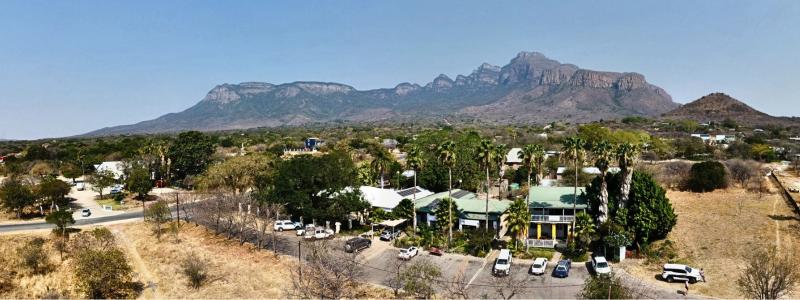
              Hoedspruit for geographical reference is located in the Limpopo Province of South Africa and situated in the northeastern section, close to the border with the Mpumalanga Province. It lies at the foot of the Klein Drakensberg, a segment of the greater Drakensberg Mountain range, which contributes to its stunning natural scenery.

              Our quaint little town is well known as the Safari Capital of the Lowveld and is a popular destination for both local and international tourists, especially those interested in safaris and wildlife experiences.

              In this ultimate guide, we’ll dive into the most frequently asked questions about visiting Hoedspruit, from practical travel tips and accommodations to cultural insights and safety advice.

              Designed to help both first-time visitors and seasoned travellers, this FAQ guide aims to equip you with all the necessary information to make the most of your stay in this unique part of South Africa. Get ready to discover the magic of Hoedspruit through the lens of those who know it best and embark on a journey that you’ll cherish forever.


              FREQUENTLY ASKED QUESTIONS:  

              What is Hoedspruit known for?

              Renowned as a gateway to Kruger National Park and other private game reserves the area offers exceptional wildlife safaris. It’s a hub for conservation efforts with facilities like the Hoedspruit Endangered Species Centre. Beyond wildlife, the town offers adventure activities and cultural interactions, making it a comprehensive destination for nature and adventure enthusiasts.

              What wildlife can I expect to see near Hoedspruit?

              The area is known for the “Big Five” — lions, leopards, rhinos, elephants, and buffalo. Other wildlife includes cheetahs, hippos, various antelope species, and abundant birdlife.

               Is Hoedspruit a malaria-risk area?

              Yes, Hoedspruit is considered a low to moderate malaria-risk area, especially during the warmer months. Precautions like mosquito repellents and prophylaxis are recommended.

              What vaccinations are needed before visiting Hoedspruit?

              Recommended vaccinations include Hepatitis A, Hepatitis B, Typhoid, and Rabies, especially if you’ll be involved in outdoor and wildlife activities. Malaria prophylaxis may also be advised.

              How do I get to Hoedspruit from Johannesburg? 

              To travel from Johannesburg to Hoedspruit, you have a couple of options for routes:

              By Air: Direct flights from Johannesburg and Cape Town to Hoedspruit Eastgate Airport are available daily. From Johannesburg, you can expect the flight to take approximately 1.5 to 2 hours. Airlines such as Airlink offer these routes, providing convenience for travellers heading to the region.

              For the most up-to-date information on flight schedules and booking, it’s best to check directly with the airlines or visit travel booking platforms.

              By Road: Driving from Johannesburg to Hoedspruit offers scenic views and the chance to experience the beautiful South African landscape. The drive takes approximately 5 to 6 hours depending on the route and traffic conditions. Here are two main driving routes:

              Route 1: Johannesburg – Hoedspruit via Belfast / Dullstroom / Lydenburg (453km)

               Route 2: Johannesburg – Hoedspruit via Polokwane / Magoebaskloof / Tzaneen (529 km)

              Each route has its own attractions and scenery, so the choice can depend on your interest in either a more direct path or a scenic drive.

              What are the visa requirements for visiting South Africa, specifically for a stay in Hoedspruit?

              Visitors from many countries, including the USA, UK, EU, and Canada, do not need a visa for stays of up to 90 days. Others should check with the nearest South African consulate.

              https://www.dha.gov.za/index.php/immigration-services/types-of-visas

              What are the best safaris near Hoedspruit?

              Some of the best safaris can be experienced in Kruger National Park and nearby private reserves like Timbavati, Balule, and Klaserie.

              How safe is Hoedspruit for tourists?

              Hoedspruit is generally considered safe for tourists, but usual travel precautions should be observed to guard against petty theft and ensure personal safety.

               What is the best time of year to visit Hoedspruit?

              The dry winter months (May to September) are ideal for wildlife viewing as animals congregate around water sources.

              Can I visit Kruger National Park from Hoedspruit? How far is it?

              Yes, Kruger National Park’s Orpen Gate is about an hour’s drive from Hoedspruit, making day trips feasible.

              What are the top attractions to visit in Hoedspruit?

              Besides Kruger National Park, other attractions include the Hoedspruit Endangered Species Centre, Moholoholo Wildlife Rehabilitation Centre, and Blyde River Canyon.

               What types of accommodations are available in Hoedspruit?

              Accommodations range from luxury lodges and safari camps, bespoke lodges to budget-friendly guesthouses and self-catering units.

              What are the dining options in Hoedspruit?

              Hoedspruit offers a range of dining options from local South African cuisine to international dishes, available in various lodges, restaurants, and cafes.

              Are there options for vegetarians and vegans in Hoedspruit?

              Many restaurants in Hoedspruit offer vegetarian and vegan options, catering to a variety of dietary preferences.

              Can I rent a car in Hoedspruit? What are the driving conditions like?

              Car rentals are available at Hoedspruit Eastgate Airport. Roads are well-maintained, but driving at night should be avoided due to wildlife.

              What should I pack for a trip to Hoedspruit?

              Pack light, comfortable clothing, a hat, sunscreen, insect repellent, binoculars, and cameras. Warm clothing is needed for winter mornings and evenings.

              Are there any cultural etiquette tips I should know before visiting Hoedspruit?

              General respect for local customs and traditions is expected. When visiting villages or cultural sites, modest dress and asking permission before taking photographs is advised.

              What currency is used in Hoedspruit and are credit cards widely accepted?

              The South African Rand (ZAR) is the currency. Credit cards are widely accepted, especially in tourist areas.

              What are some community-based tourism activities in Hoedspruit?

              Activities include visiting local villages, participating in cultural tours, and engaging with community projects like Nourish Eco Village.

              Can I volunteer at wildlife sanctuaries in Hoedspruit?

              Yes, opportunities exist at various wildlife rehabilitation centers where you can volunteer to help with animal care and conservation efforts.

              What languages are spoken in Hoedspruit?

              English is widely spoken, especially in tourism-related areas. Other official South African languages like Afrikaans and local languages (Sepedi) may also be heard.

              How does the healthcare system work in Hoedspruit for tourists needing medical attention?

              Tourists visiting Hoedspruit have access to comprehensive medical care through the Hoedspruit Private Hospital, which offers 24/7 emergency services, general medical and surgical treatment, specialist consultations, and full diagnostic support including radiology and laboratory services.

              The facility also provides maternity and paediatric care, including a neonatal unit for newborns. For non-emergency needs, the nearby Hoedspruit Medical Centre offers general practitioners, dental care, physiotherapy, optometry and other allied health services.

              Overall, visitors can expect reliable, full-spectrum medical care without needing to travel outside the area.

              What emergency services are available in Hoedspruit?

              Hoedspruit has access to medical clinics and emergency response services, including private emergency medical responders.

              What are the shopping options in Hoedspruit?

              Hoedspruit offers a variety of shopping options from local craft markets to small boutiques that sell safari gear, local art, and souvenirs.

              Are there any specific local laws that tourists should be aware of in Hoedspruit?

              Standard South African laws apply; important ones include driving on the left side of the road, and legal drinking age is 18. Littering and public smoking laws are strictly enforced.

              What are the internet and mobile connectivity like in Hoedspruit?

              Major South African mobile networks provide good coverage in Hoedspruit, although some remote areas might have weaker signals. Most lodges and cafes offer Wi-Fi.

              How do I respect the natural environment while touring in Hoedspruit?

              Follow guidelines for responsible tourism: do not litter, stay on designated paths, do not disturb wildlife, and support eco-friendly businesses.

              What are the options for nightlife in Hoedspruit?

              Nightlife in Hoedspruit is relatively low-key with a few local bars and restaurants. The focus is more on early morning safari drives rather than late-night activities.

              Can I drink tap water in Hoedspruit?

              Tap water in urban areas is generally safe to drink, but it’s advisable to drink bottled water, especially in rural or remote areas.

              What are the guidelines for tipping in Hoedspruit?

              Tipping is customary in South Africa. A tip of 10-15% is standard in restaurants, bars, and for other service-related activities.

              How can I contribute to conservation efforts in Hoedspruit?

              Tourists can contribute by participating in or donating to conservation projects such as the Hoedspruit Endangered Species Centre or by joining eco-friendly tours that emphasize sustainability.

              What outdoor activities are available in Hoedspruit?

              Hoedspruit offers numerous outdoor activities including hot air ballooning, hiking, river rafting, and more, all set in the stunning landscapes surrounding the area.

              Are there any family-friendly activities in Hoedspruit?

              Yes, families can enjoy wildlife safaris tailored for children, educational visits to wildlife centers, and safe, guided nature walks.

              What should tourists do in case of an encounter with wildlife?

              Maintain a safe distance, do not feed the animals, and always follow the instructions and guidelines provided by tour guides.

              What is the economic basis of Hoedspruit?

              The economy in Hoedspruit is primarily based on tourism, agriculture (particularly citrus farming), and wildlife conservation.

              How do locals typically spend their weekends in Hoedspruit?

              Locals often enjoy outdoor activities such as braais (South African BBQs), visiting local parks, or participating in community events.

               What are the conservation challenges faced by Hoedspruit?

              Challenges include poaching, habitat destruction, and the need for community involvement in conservation efforts.

               How does the community in Hoedspruit engage with tourists?

              The community is generally welcoming, with many locals involved in the tourism sector, providing authentic South African hospitality.

              What unique wildlife species are native to the Hoedspruit area?

              Besides the Big Five, the area is also home to species like the ground hornbill and various endemic bird species.

              Are there any historical sites in or near Hoedspruit?

              While Hoedspruit is more known for its natural beauty and wildlife, there are historical sites related to the area’s past, including old mines and farms.

              What precautions should be taken when hiking or exploring rural areas in Hoedspruit?

              Carry sufficient water, use sunscreen, wear appropriate clothing, and always inform someone of your route and expected return time.

               How can I get local guidance or a tour operator in Hoedspruit?

              Local tour operators are available through travel agencies, hotel concierges, and tourist information centers.

               What are the best souvenirs to bring back from Hoedspruit?

              Local crafts, African artworks, and specialty foods like locally produced honey, spices or biltong make great souvenirs.

              As we wrap up our journey through the frequently asked questions about Hoedspruit, it’s clear that this charming town is not just a stopover but a destination rich with opportunities for adventure, wildlife exploration, and cultural immersion.

              From the breathtaking safaris in Kruger National Park to the luxurious private game reserves and vibrant local community, Hoedspruit offers a unique blend of natural beauty and conservation efforts.

              Whether you’re an avid nature lover, an adventure seeker, or someone looking to unwind amidst stunning scenery, Hoedspruit promises an unforgettable experience that captivates both the heart and the spirit. So pack your bags, set your sights on this exquisite part of South Africa, and prepare to create memories that will last a lifetime.