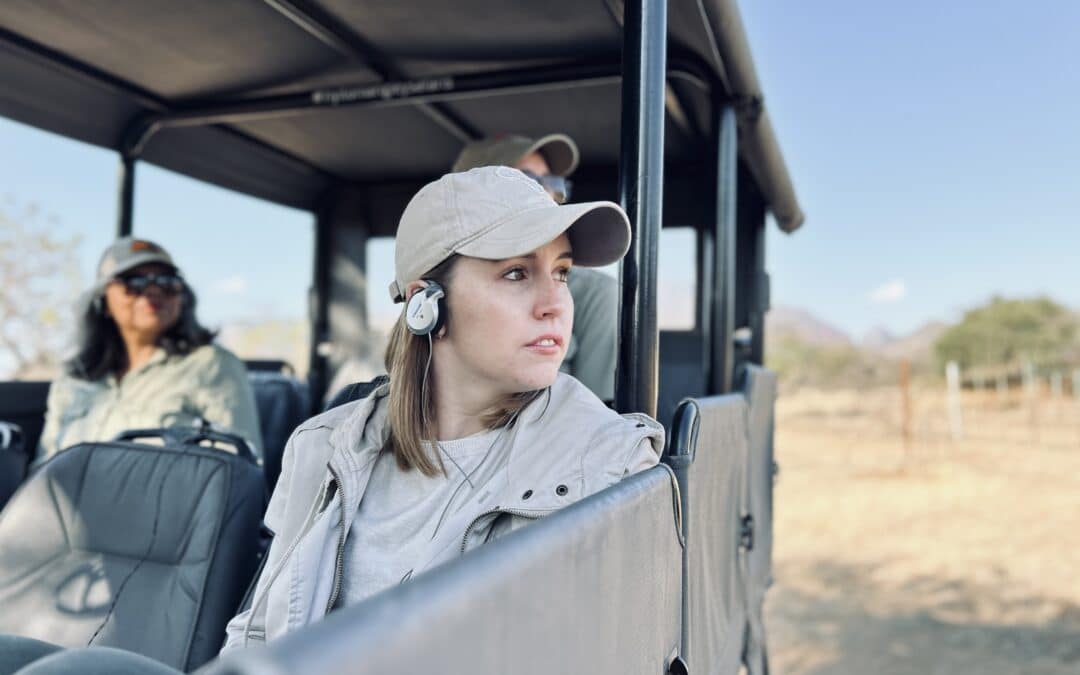
Sound Safaris: A Journey Beyond Sight

Sound Safaris: A Journey Beyond Sight

When you think of safaris, you’re probably imaging the rich golden hues of a wide-open savannah, the dust kicked up by a herd of wildebeest rumbling by, or simply the grandeur of the big 5 and their imperial wonder.

But what if you could experience the bush in a more engaging and intimate way, with more than just your eyes?

Enter the world of Sound Safaris – a unique adventure that brings our African wilderness to life by immersing you in a rich serving of soundscapes, creating a multisensory treat for the senses that will keep you coming back for more.

Led by a team of wildlife experts and sound enthusiasts, Sound Safaris are a Hoedspruit based initiative, offering an unforgettable experience that allows participants to listen to the natural world in surreal detail. 

Using specialised listening equipment, one can tune into the hidden symphony of the African bush. Whether a seasoned safari-goer or a first-time traveller from abroad, this innovative approach offers a deeply enriching way to connect with nature, providing an educationally empowering experience that titillates the senses.

Keen to find out more? Come along as we unpack the concept and introduce you to a team of passionate conservationists and wildlife enthusiasts.


GUIDED BY EXPERTS 

The Sound Safari is guided by none other than Casper Badenhorst, a vastly knowledgeable and passionate wildlife expert. Casper brings years of experience in birding and wildlife guiding to the fore on each tour, making him the perfect guide for this one-of-a-kind safari experience. Under his guidance, participants are encouraged to listen more deeply and understand the complex language of our bushveld.

Supporting Casper on the Sound Safari team are founders – Derek and Sarah Solomon, two individuals with an unparalleled love for wildlife sound and conservation. 

Derek, in particular, brings a wealth of experience and knowledge to the operation. With over 40 years’ experience in wildlife sound recording, he’s undoubtedly a pioneer in his field, with his work having taken him across Africa, lending his expertise to many a conservation effort.

As a renowned sound specialist, Derek has spent his career studying how animals communicate, especially through sounds that are often imperceptible to the human ear. His research on animal communication has not only contributed to our understanding of wildlife behaviour but also to efforts in wildlife conservation.

Last but certainly not least is Sarah, the heart and soul of the operation. Coupled with her devotion to conservation and wildlife, she brings additional depth to the safari experience, making the entire team a powerhouse of knowledge and expertise. Together, this trio tailor your senses towards unlocking the secrets of the wild.


A CLOSER LOOK AT DEREK’S LEGACY: 

With a career spanning over four decades, Derek has recorded the sounds of Africa’s most iconic species, contributing to a body of research that is crucial for wildlife conservation. His work focuses on how animals use sound to communicate over vast distances, detect predators, and establish social structures.

Having collaborated with leading wildlife researchers, conservationists, and filmmakers – His recordings have been used on various media and scientific platforms, with the aim of educating the public and establishing an awareness for our natural world.

Derek has also worked extensively with organisations focused on elephant communication, using his expertise to help monitor and understand the movements and behaviours of these incredible creatures.


THE SCIENCE OF ANIMAL SOUNDS

Sound plays a vital role in the survival of many animal species. For humans, sight often dominates how we perceive the world, but for wildlife, sound is key to communication, survival, and interaction. Animals use sound in a variety of ways—whether it’s to find a mate, locate prey, defend territory, or avoid predators.

Infrasound: Elephants use low-frequency sounds, known as infrasound, to communicate over vast distances. These sounds, which are below the range of human hearing, can travel many kilometers and are crucial for maintaining herd connections in thick bush or open savannah.

Ultrasound: On the other end of the spectrum, animals like bats and dolphins use high-frequency sounds, or ultrasound, to navigate and locate prey. These ultrasonic signals, often used in echolocation, are inaudible to humans but essential for many species’ survival.

High-Frequency Sounds: Birds are known for their vast range of vocalizations. From territorial calls to mating songs, birds use sound to communicate their presence and intentions. Birdwatchers on a Sound Safari will be thrilled to learn how to identify different species by their calls alone.

By understanding how animals use sound, you gain a deeper appreciation for the complexity and beauty of nature’s soundscape. The Sound Safari gives you the tools to not just see the bush, but to hear and interpret its hidden conversations..


A SAFARI FOR ALL THE SENSES 

The Sound Safari is a one-of-a-kind experience that is perfect for wildlife lovers, photographers, and anyone looking for a new way to engage with nature. Whether you’re a birdwatcher, a conservation enthusiast, or a family seeking an interactive and educational adventure, the Sound Safari has something for everyone.

For international visitors, this safari offers a once-in-a-lifetime opportunity to connect with Africa in a way few have experienced before. It’s an immersive adventure that goes beyond traditional game drives and opens up a new sensory world. For locals, the Sound Safari is a fresh and exciting way to rediscover the bushveld, even for those who have explored it many times before.


WHY SOUND MATTERS TO CONSERVATION 

Beyond the immediate experience of hearing the bush in a new way, sound plays a critical role in wildlife preservation. Derek’s extensive work in sound recording has contributed to numerous efforts, helping researchers monitor species, track animal movements, and better understand wildlife behaviour.

Infrasound recordings, for example, have been crucial in studying elephant herds and monitoring their interactions over long distances. Similarly, bird calls and other high-frequency sounds have been used to track changes in ecosystems and detect environmental threats.

By joining a Sound Safari, you not only get to enjoy a unique experience but also support the ongoing research and conservation efforts led by the likes of Derek himself. The insights gained from sound can lead to better wildlife management and preservation strategies, helping to protect Africa’s incredible biodiversity for generations to come..


HOW TO JOIN A SOUND SAFARI

To book your Sound Safari experience, visit sound-safaris.com or check out more about it on visithoedspruit.com for further details.

One things for sure, this isn’t your typical game drive—it’s a sensory journey that lets you tune in to the rhythm of nature, one where you don’t just get to observe, but flow in a current of soundwaves and decibels.

Whether you’re a seasoned traveller craving something fresh or just someone who’s always dreamed of experiencing the wild in a new light, this experience offers a perspective you can’t ignore.

The bush is alive, are you ready to listen?


The Panoramic Route: A Convergence of Culture, History, and Nature

The Panoramic Route: A Convergence of Culture, History, and Nature

Woven into the heart of South Africa’s Mpumalanga province, the Panoramic Route is a journey like no other.

Famed for its breathtaking landscapes, awe-inspiring viewpoints, cascading waterfalls, and deep historical significance, this iconic route has become an essential part of any visitor’s itinerary while exploring the wonder of Hoedspruit – making it one of South Africa’s most cherished road trips.

Outside the traditional safari experience, the “Pano”, as it is affectionately known by locals, provides a diverse adventure that captivates the senses. From the towering peaks of the Drakensberg to lush forests and deep river valleys, it invites travelers to immerse themselves in a realm of experiences both visually and experientially. Here, nature showcases its magnificence at every turn, while stories of the past echo through the historical sites scattered along the route.

In this blog, we’ll unpack everything you need to know about exploring the Route. From must-visit spots to hidden gems, join us we guide you through the wonders that await 


HISTORY AND CULTURE:

Origins and Development: The history of the Panoramic Route is intimately connected to the gold rush era of the late 19th century. The discovery of gold in 1873 spurred a massive influx of settlers and the establishment of mining camps, most notably Pilgrim’s Rest. Today, this area stands as a well-preserved historical site, offering deep insights into the gold rush period that significantly shaped the region.


ROUTE ITINERARY: GENERAL TIPS  

Total Distance: Approximately 160-180 kilometers (100-112 miles), depending on the specific route and detours taken.

The drive typically takes 5 to 6 hours if done in one day, but many travellers prefer to stretch it over 2 to 3 days to fully explore the sights and enjoy activities along the way.

Traditional Starting Point: Graskop – often the gateway to the Panoramic Route, it offers  access to key attractions like God’s Window and the waterfalls. It’s an ideal spot to begin your adventure with a hearty breakfast and stock up on supplies.

Ending Points: Hoedspruit or Sabie – end your journey in Hoedspruit, a gateway to the Greater Kruger National Park, for a seamless transition into a number of safari experiences or alternatively, finish in Sabie, known for its serene picturesque terrain and abundant outdoor activities.

Alternate Routes and Options…

Reverse Route: Start in Hoedspruit, exploring Blyde River Canyon first, then making your way back to Graskop. This route provides a unique perspective and often fewer crowds.

Less Commercial Route: Begin at Pilgrim’s Rest instead of Graskop. As mentioned this historical village adds a cultural aspect to your trip and can lead you into the main route from a different angle, avoiding the busier areas.

If the Weather is Bad…

Start Point: In poor weather, start your journey at Bourke’s Luck Potholes, which offers sheltered walkways and is still captivating in misty conditions. Alternatively, begin at the Graskop Gorge Lift for an indoor rainforest experience.

End Point: In bad weather, finish in Pilgrim’s Rest, where you can explore the historical buildings and museums, providing a meaningful conclusion to your trip, rain or shine.


KEY FEATURES AND GEOGRAPHY: 

Lets take a closer look at all the major attractions and focal points so that you can best plan and priorotise a suitable itinerary for you and your family:

God’s Window: Located near Graskop on the Panorama Route, God’s Window is one of the most iconic viewpoints in the area. Perched on the edge of the Drakensberg escarpment, it offers a breathtaking vista over the Lowveld, stretching as far as Kruger National Park and even Mozambique on a clear day. The viewpoint sits at an elevation of approximately 1,730 meters (5,675 feet) and is surrounded by lush rainforests, with a short walk through the forest leading to several vantage points. An interesting fact is that God’s Window gained international fame when it was featured in the 1980s movie “The Gods Must Be Crazy,” solidifying its status as a must-see natural wonder.

Pinnacle Rock: Also found near Graskop, Pinnacle Rock is a striking quartzite tower that rises 30 meters (around 98 feet) out of the dense indigenous forest below. It is one of the first stops on the Panorama Route as you travel north from Graskop. The viewpoint provides a sweeping view of the surrounding landscape, including a dramatic waterfall that cascades into a deep gorge. A lesser-known fact about Pinnacle Rock is that it is surrounded by a wide variety of flora, with wildflowers and native plant species flourishing in the rocky crevices, adding to its natural beauty.

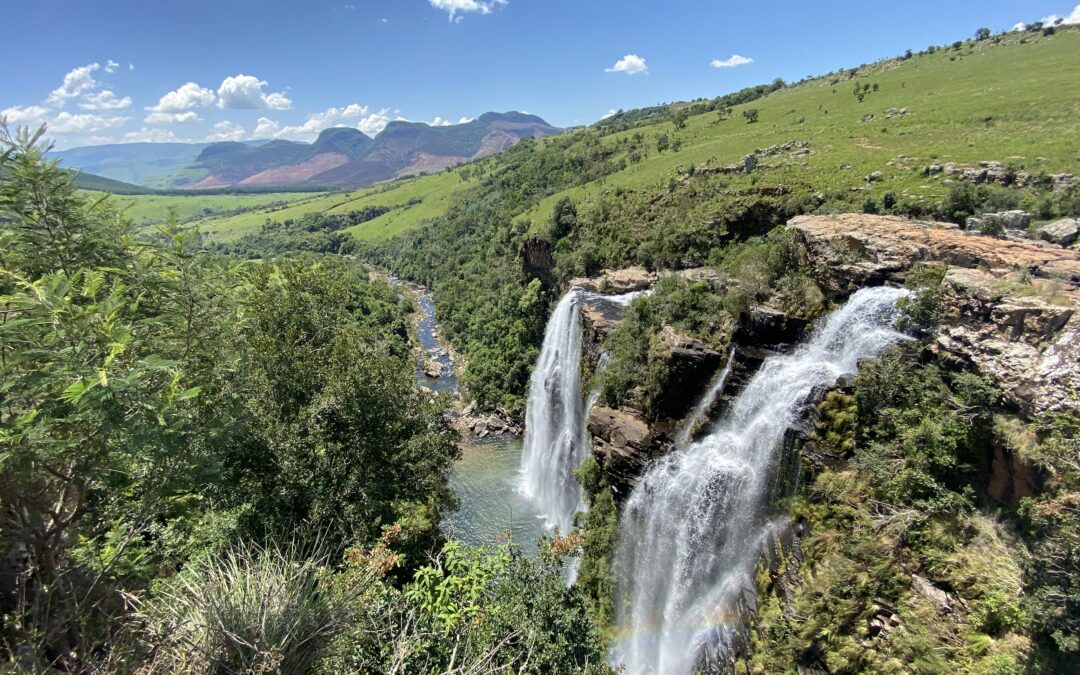
Waterfalls: The route features several magnificent waterfalls, including Lisbon Falls, which cascades into a lush gorge, the Berlin Falls, where water plunges into a deep pool and Mac Mac Falls, a national monument offering a picnic area and viewpoints.

Lisbon Falls: having been associated with both the Portuguese capital and after Lisbon Creek and situated on a farm also named Lisbon, this waterfall stands as one of the highest in Mpumalanga, with water cascading 94 meters into a stunning gorge.

The falls are not only a natural wonder but also offer an ideal spot for photography and sightseeing. The well-maintained area allows visitors to immerse themselves in the beauty of the falls without disturbing the surrounding ecosystem, making it a must-visit attraction along the Panorama Route.

Berlin Falls: Sharing its name with the German capital, Berlin Falls is a mesmerizing sight, with water plunging dramatically off a cliff into a deep pool below. Surrounded by lush natural flora, this waterfall attracts nature lovers and photographers alike.

The area’s preservation efforts ensure that tourism doesn’t negatively impact the environment, making Berlin Falls a pristine and captivating stop for anyone exploring the region.

Mac Mac Falls: Historically significant and named after the Scottish miners who once worked the goldfields in the area, Mac Mac Falls features twin waterfalls plunging side by side. Declared a national monument, the falls are a popular attraction due to their unique formation and rich history.

Developed picnic areas and viewpoints enhance the visitor experience, providing ample opportunities to appreciate the falls while adhering to conservation efforts aimed at preserving the site for future generations.

Blyde River Canyon and Bourke’s Luck Potholes:

Blyde River Canyon, one of the largest green canyons in the world, is a vital conservation zone, known for its dramatic cliffs, scenic viewpoints, and rich biodiversity. Spanning 25 kilometers in length, the canyon is home to lush subtropical foliage, waterfalls, and diverse wildlife including primates, antelope, hippos, and the occasional predator. Birdwatchers will be delighted by the variety of bird species, including the rare Taita falcon and the African fish eagle.

Bourke’s Luck Potholes:

Another fascinating geological feature formed by centuries of swirling water at the confluence of the Treur and Blyde Rivers. Named after Tom Bourke, a prospector who believed the area held rich gold deposits in the late 1800s, these cylindrical potholes were created by the powerful erosive forces of water carrying pebbles and debris. Though Bourke never found his fortune in gold, the potholes became one of the most iconic natural attractions along the Panorama Route, showcasing stunning rock formations, deep pools, and intricate patterns carved into the sandstone over time.

Graskop Gorge Lift: The Graskop Gorge Lift Co. is one of the most exciting additions to Mpumalanga’s tourist attractions, offering a completely unique way to experience the natural beauty of the region. This glass elevator takes visitors 51 meters down the face of a cliff into the lush forest below, providing an immersive experience with a minimal environmental footprint. The lift allows visitors to transition from panoramic views at the top to a subtropical forest ecosystem at the base of the gorge in a matter of seconds.

Once at the bottom, visitors can explore a network of wooden walkways and suspension bridges that meander through the forest, offering the chance to discover cascading waterfalls, native plants, and wildlife in their natural habitat. Interpretive signs along the trails provide insights into the ecology and importance of this delicate forest environment, making it not only a scenic adventure but also an educational one.

For adrenaline seekers, Graskop Gorge also offers a thrilling zipline experience that spans across the gorge, providing unparalleled views of the waterfall and landscape below. There are also giant swings for those seeking a more intense rush of excitement. At the top of the lift, there’s a visitor centre with shops, restaurants, and viewpoints, offering a more relaxed way to enjoy the views for those who prefer to stay above the forest canopy.

Together, the Blyde River Canyon and Graskop Gorge Lift offer a blend of breathtaking landscapes, outdoor activities, and deep ecological significance, ensuring an unforgettable experience for every visitor.


 TRAVELLING WITH THE EXPERTS: GUIDED TOURS

For those who prefer not to travel alone or are looking for a guided experience, joining Buya Buya Travel and Tours’ Panoramic Tour is a game-changer, transforming your journey into a hassle-free, enriching adventure. While traveling alone can be a thrilling experience, it comes with its set of challenges—navigating unfamiliar roads, planning each stop, ensuring safety, and possibly missing out on hidden gems known only to locals. Buya Buya’s guided tours offer a range of benefits that make your exploration of the Panorama Route both relaxing and deeply fulfilling.

*A traditional route on Buya Buya’s itinerary 

Expert Guidance and Local Knowledge
One of the greatest benefits of traveling with Buya Buya is the wealth of knowledge their experienced guides bring to the tour. These local experts are not only familiar with the main attractions but they also share fascinating stories, cultural insights, and historical context that enrich your experience.

Comfort and Convenience
Forget the stress of renting a car, plotting routes, or worrying about fuel and road conditions. Buya Buya Travel and Tours take care of all the logistics, providing comfortable, air-conditioned transport that allows you to sit back, relax, and fully immerse yourself in the spectacular scenery.

No Missed Opportunities
Planning the perfect itinerary on your own can be daunting. Without local knowledge, it’s easy to miss out on hidden gems or mismanage your time, resulting in rushed visits to key attractions. Buya Buya’s Panoramic Tour is carefully curated to ensure you get the most out of your day. Their guides know the best times to visit each spot to avoid crowds, the secret viewpoints often overlooked, and how to maximize your experience, making sure you see all the iconic landmarks and some lesser-known treasures as well.

Safety and Peace of Mind
Traveling alone in unfamiliar areas can be daunting, especially when venturing off the beaten path. With Buya Buya, you can relax, knowing you’re in safe hands. Their guides are trained in first aid and have extensive knowledge of the area, road conditions, and weather patterns. This level of preparedness means that, in case of any unforeseen circumstances, you have a professional at your side to handle the situation.

A Personalized Experience
Buya Buya prides itself on offering personalised experiences. Their guides are approachable and eager to cater to the interests of their guests. Have a specific question about the flora or geology of the region? They’re always there to satisfy your curiosity. Want to take that extra photo at God’s Window? They’ll accommodate where possible. This level of flexibility ensures that, while you’re traveling with others, the experience still feels unique and tailored to your curiosity.

So, if you’re dreaming of exploring the breathtaking beauty of the Panorama Route without the pressure of going solo, let Buya Buya Travel and Tours be your trusted companion. 

We sincerely hope this blog has been the catalyst you’ve needed to come and explore the magic of Hoedspruit and all her surroundings have to offer. A natural springboard for action and adventure, you’re sure to get a fix, whether satisfying your craving for fun, life’s deepest questions or simply just your belly – come see for yourself , come and Visit Hoedspruit.

.


Our Silent Guardians: The Heartbreak and Hope Behind Dehorning a Rhino

Our Silent Guardians: The Heartbreak and Hope Behind Dehorning a Rhino

A day never to be forgotten…

As I found myself transfixed on the silhouette of our beloved Mariepskop, perfectly contrasted against the backdrop of thick overcast clouds, my ears were alerted, to an approaching rumble that signaled intent.

As the helicopter’s blades sliced through the crisp early morning air, the bush sprang to life with an expectant energy that was substantiated by the presence of game viewers filled with people on a mission – a mission to change the fate of some rather special characters.

Visit Hoedspruit and Buya Buya Tours (our sister company) had the unique privilege of being invited to this extraordinary conservation effort, where some of our very precious rhinos were  dehorned.

Hoedspruit is a home that I’ve come to recognize not just as a safari/tourist hub but as a bastion of conservation and little did my colleague Nick and myself realise just how impactful the day would turn out to be, as we witnessed first-hand the lengths to which our community goes to protect these majestic animals.

The operation, arranged by My Africa, was both emotional and eye-opening. As I stood alongside the dedicated team — including K9 security, whose quiet vigilance ensured the safety of the respective reserve — I realized that this was more than just an effort to save a species, it was a race against time to outsmart the relentless threat of greed and poaching.

While some may feel sorrow seeing these magnificent creatures without their horns, the truth is that this act of dehorning is probably their greatest shield. It’s a deterrent, a vital step that ensures Rhinos are no longer targeted by poachers who take their lives for the very thing that we now remove to save them.

So be before I continue a heartfelt thank you to Moditlo River Lodge for inviting us to be part of this remarkable occasion. The experience was a profound reminder that our role in conservation is not just about protecting the present — it’s about preserving a future where rhinos can live free from the shadow of extinction.

Join me as we unpack the much-debated process of dehorning

DEHORNING: THE LAST RESORT IN A CRISIS  

Rhino dehorning is a decision made with great care. It’s an invasive, labour-intensive, and costly procedure, with each operation costing between R10,000 and R15,000 per rhino. Yet, despite these challenges, dehorning has become a crucial weapon in the fight for their survival.

As I stood there, witnessing the procedure unfold, it struck me just how dire the situation truly is. The poaching crisis is fueled by an insatiable black-market demand for rhino horn, which can fetch an astounding $60,000 to $100,000 per kilogram, turning these gentle giants into prime targets. 

I had always imagined a rhino’s horn as a symbol of power and majesty, yet here it was, being removed in a matter of minutes. The goal? To make these animals less attractive to poachers. It felt counterintuitive at first—why strip these creatures of their iconic horns? But as the operation progressed, I understood that this was an act of necessity, one driven by the urgent need to protect these animals from extinction.


PLAYERS IN THE FIELD: A SYMPHONY OF COLLABORATION 

A dehorning operation is an intricate ballet involving multiple players, each with a critical role. As we gathered at our rendezvous that morning, the team was a well-coordinated unit of pilots, veterinarians, anti-poaching rangers and guests. The helicopter, piloted by a local stalwart, was the first to spring into action. It lifted off to locate the rhinos, scouring the vast terrain of the reserve from above.

Once a rhino was spotted, the veterinarian, darted it with a tranquilizer from the air. This, too, was a delicate process, as the dose had to be precisely measured to immobilize the rhino without causing undue stress or harm.

Now I’m not one for being economical with the truth but watching the giant creature slowly succumb to the sedation was both emotionally unsettling and humbling. These animals, often weighing upwards of two tonnes, are brought to their knees in mere moments—but always with the utmost care and expertise.

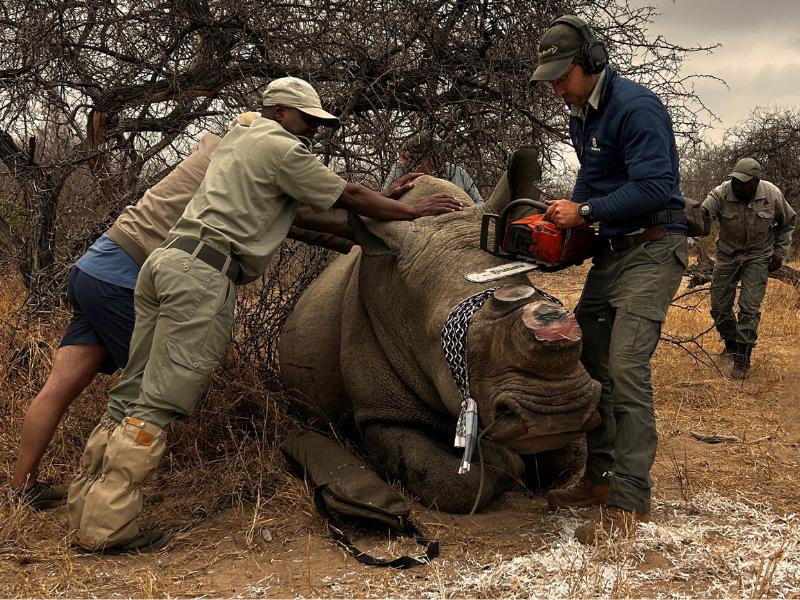
Once the rhino was safely sedated, we moved in. One team worked to cover the animal’s eyes and ears to reduce its sensory overload, while others set about the task of getting the rhino in its proper resting position so that the horn can be removed. For this, a chainsaw is used—a tool chosen not for its brutality, but for its speed and efficiency.

The entire process was over in less than 20 minutes. The stump was filed down to ensure smooth regrowth, and a special oil was applied to prevent cracking.

What struck me most during the process was the precision and care involved. Every step was calculated to minimize the rhino’s discomfort, and the veterinarians and rangers never lost sight of the fact that they were working with a living, breathing animal. It was clear that, despite the invasive nature of dehorning, the rhino’s well-being was always the top priority.


    WHY DEHORNING? A NECESSARY EVIL

    In an ideal world, rhino dehorning would be unnecessary. The horns of rhinos are integral to their identity and are used for various natural behaviours like foraging and defending territory. 

    Removing them changes the animal’s way of life, but when faced with the choice between a hornless rhino or their demise, the decision becomes stark. Poaching has decimated rhino populations across Africa, and in areas like Hoedspruit, it is a constant threat.

    Dehorning has been proven to reduce poaching rates significantly. Poachers, often operating with ruthless efficiency, tend to avoid rhinos that have already been dehorned, knowing the payoff is much smaller. In smaller reserves, where monitoring rhino populations is more feasible, dehorning has been a successful deterrent. 

    However, dehorning is not without its downsides. It is a costly endeavour, requiring repeated operations every year or two to ensure that the horn doesn’t regrow enough to become a target again​. 

    Additionally, poachers don’t always leave dehorned rhinos alone. In some tragic cases, rhinos are still killed for the small stump of horn that remains, or simply out of spite. Moreover, removing the horn doesn’t entirely negate the poaching threat—it merely shifts the risk to other rhinos​. 

    THE EMOTIONAL WEIGHT OF THE EXPERIENCE  

    As I stood by, watching this massive animal slowly wake from its anaesthesia, a wave of emotions came over me. On the one hand, I was heartened by the collective efforts of everyone involved, from the pilots in the sky to the rangers on the ground. But on the other hand, there was a sadness that lingered. I couldn’t help but feel that we, as humans, have driven the situation to this point—where the only way to protect these magnificent animals is to strip them of their identity.

    To quote a much beloved veterinarian in Hoedspruit, “A hornless rhino is better than a dead rhino”…and its these very words that jogged my awareness to the gravitas of the situation as we packed up the equipment and headed back to base.

    The rhino, though groggy, was on its feet again, and within minutes, it disappeared into the thick bush, as if nothing had happened.


    HOEDSPRUIT: A CONSERVATION HUB

    Beyond dehorning, Hoedspruit is home to a range of initiatives dedicated to the long-term preservation of its rhino populations.

    Various organizations and private reserves frequently collaborate to provide critical veterinary care, deploy anti-poaching units, and implement monitoring systems that track rhino movements and health.

    These combined efforts are further bolstered by the involvement of the local community and conservation-focused tourism. Visitors have the opportunity to engage in meaningful activities like rhino tagging and educational tours, which help raise awareness and generate funds for ongoing conservation efforts.

    Through these collaborative and multifaceted approaches, Hoedspruit undeniably plays a critical role in safeguarding the future of our rhinos. The combination of proactive conservation strategies has significantly reduced the threat posed by poachers in the region. By integrating community involvement and conservation tourism, Hoedspruit has created a sustainable model that not only protects wildlife but also educates and empowers visitors and locals alike.


     A CALL TO ACTION

    As I reflect on our experience, I realize that rhino dehorning is not just a conservation tool—it’s a statement to those who seek to destroy our heritage, we’ve drawn a line in the sand, nailed our colours to the mast, demonstrating the lengths we will go to protect a species we have endangered. The process may be gruelling, but it is also a testament to the resilience of both rhinos and the people who work tirelessly to save them. 

    For anyone planning a trip to Hoedspruit, I urge you to take the time to learn about the conservation efforts happening here. Visit the reserves, speak with the experts, and, if possible, witness a dehorning operation for yourself. 

    It’s an experience that will stay with you long after you leave, reminding you of the ongoing battle to preserve one of Africa’s most iconic animals.

    .


    The Majesty of Hoedspruit’s Vultures: Ecosystem Essentials

    The Majesty of Hoedspruit’s Vultures: Ecosystem Essentials

    Vultures are often misunderstood creatures, sometimes unfairly branded as harbingers of death or scavengers with a sinister reputation. Yet, in reality, these majestic birds play a crucial role in maintaining the balance of our ecosystems.

    In Hoedspruit, an area substantially populated with wildlife, vultures are not just a part of the natural landscape – they are vital players in the intricate web of life that sustains this biodiverse region.

    For visitors, encountering these incredible birds, offers an opportunity to witness nature’s fascinating and complex ecosystem in action.

    VULTURE AWARENESS: 

    On the September 7th, the conservation community and nature enthusiasts come together to celebrate International Vulture Awareness Day. This day is dedicated to raising awareness about the critical role vultures play in our ecosystems and the threats they face globally.

    Among some of the most threatened bird species, with populations declining at alarming rates due to habitat loss, poisoning, and human-wildlife conflict, the Awareness Day serves as a reminder of the importance of conservation efforts aimed at protecting these essential birds.

    Back home, this day is particularly significant, as the region is home to several vulture species that contribute to the local ecosystem’s health. Conservation organizations and wildlife reserves in the area often hold events and educational programs to mark the day, providing both locals and visitors with an opportunity to learn more about these incredible birds and what can be done to protect them.


    THE VULTURES OF HOEDSPRUIT: A CLOSER LOOK

    A haven for wildlife enthusiasts, Hoedspruit is blessed to have a number of species that call this area home, vultures stand out for their unique ecological role. The region is home to several species of vultures, including the White-backed Vulture, the Lappet-faced Vulture, and the Cape Vulture. Each of these species plays a crucial part in the ecosystem, helping to keep it balanced and healthy.


    White-backed Vulture (Gyps africanus): The most common vulture species in Hoedspruit, the White-backed Vulture, is often seen soaring high in the skies, searching for carrion. These vultures are social birds, often found in large flocks. They play a vital role in cleaning up carcasses, preventing the spread of diseases that could affect other wildlife.

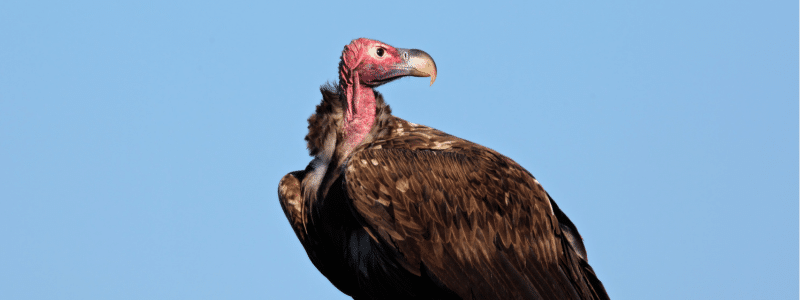
    Lappet-faced Vulture (Torgos tracheliotos): Known for its distinctive appearance, with a bare, pinkish head and large, powerful beak, the Lappet-faced Vulture is one of the largest vulture species in Africa. This bird is often the first to arrive at a carcass, using its strong beak to tear through tough hides that other vultures cannot penetrate. In doing so, it provides access for smaller scavengers, showcasing the interconnectedness of species within the ecosystem.

    Cape Vulture (Gyps coprotheres): The Cape Vulture is an iconic species, recognizable by its pale plumage and massive wingspan. It is primarily found in mountainous regions but can also be spotted in the Hoedspruit area. The Cape Vulture is currently listed as endangered, with its population facing significant threats from habitat loss and poisoning. Conservation efforts in Hoedspruit and surrounding areas are critical to ensuring the survival of this majestic bird.


      THE ROLE OF VULTURES IN THE ECOSYSTEM:

      Vultures are often referred to as “nature’s clean-up crew” for a good reason. They feed primarily on carrion, the decaying flesh of dead animals, which might seem unappealing but is a crucial function in the ecosystem. By consuming carcasses, vultures prevent the spread of diseases that could otherwise devastate wildlife populations. Their digestive systems are incredibly efficient, destroying harmful bacteria such as anthrax, botulism, and rabies, which could otherwise linger in the environment.

      Moreover, vultures’ scavenging activities help recycle nutrients back into the ecosystem. By breaking down carcasses, they ensure that nutrients are returned to the soil, supporting plant growth and, in turn, the herbivores that feed on those plants. This nutrient recycling is an essential process that helps maintain the balance of the ecosystem in places like Hoedspruit.

      Beyond their role in disease control and nutrient recycling, vultures are also important cultural symbols in many societies. In some African traditions, vultures are seen as spiritual creatures, messengers between the physical world and the afterlife. Their ability to survive on death and decay has often associated them with themes of rebirth and renewal. In this way, vultures contribute not just to the health of ecosystems but also to the cultural and spiritual fabric of human communities.


      THE THREATS FACING VULTURES:

      Despite their ecological and cultural importance, vultures face numerous threats that have led to dramatic declines in their populations. One of the most significant threats is poisoning, often unintended but devastating. Vultures are highly susceptible to secondary poisoning when they consume carcasses that have been poisoned to control predators like lions or hyenas. The use of agricultural chemicals and veterinary drugs like diclofenac in livestock also poses a significant risk, as these substances can be lethal to vultures.

      Habitat loss is another major threat to vultures. As human populations expand and land is converted for agriculture or urban development, vultures lose their natural habitats and food sources. This is particularly concerning for species like the Cape Vulture, which relies on specific nesting sites in mountainous areas. Without these critical habitats, vulture populations cannot sustain themselves. 

      Electrocution and collision with power lines are additional threats that have increased with the expansion of infrastructure in many parts of Africa. Vultures, with their large wingspans, are particularly vulnerable to these dangers. Conservationists in Hoedspruit and beyond are working to mitigate these risks by advocating for the use of vulture-safe power lines and other protective measures.

      Climate change also poses a long-term threat to vulture populations. Changes in temperature and weather patterns can affect the availability of food and suitable nesting sites, leading to declines in vulture numbers. 


      VULTURES AND HOEDSPRUITS CONSERVATION EFFORTS:

      As a focal point, Hoedspruit is home to several wildlife reserves and conservation organizations dedicated to protecting vultures and their habitats. One such organization is the Hoedspruit Endangered Species Centre (HESC), which plays a pivotal role in vulture conservation.

      HESC has established vulture feeding sites, known as “vulture restaurants,” where safe, uncontaminated food is provided for vultures. These feeding sites are critical in areas where vultures’ natural food sources may be scarce due to habitat loss or human encroachment.

      In addition to providing food, HESC also engages in educational outreach, raising awareness about the importance of vultures and the threats they face.

      Another significant initiative in the area is the VulPro project, which operates both within and beyond Hoedspruit. VulPro focuses on the rescue, rehabilitation, and release of injured or poisoned vultures, as well as breeding programs for endangered species like the Cape Vulture.  

      By supporting these initiatives, visitors to Hoedspruit contribute to a global effort to protect vultures.


       THE FUTURE OF VULTURES IN HOEDSPRUIT:

      Looking ahead, the future of vultures in Hoedspruit will depend on continued and expanded conservation efforts. This includes not only protecting existing populations but also restoring habitats and creating new safe zones for vultures. Collaborative efforts between conservationists, local communities, and international organizations will be key to achieving these goals.

      Innovations in technology also offer new hope for vulture conservation. For example, satellite tracking is increasingly being used to monitor vulture movements and identify threats in real-time. By understanding the movements and behaviours of vultures, conservationists can better protect these birds from dangers like poisoning or habitat loss.

      Education will continue to be a cornerstone of conservation efforts. By raising awareness about the importance of vultures and the threats they face, conservationists can inspire a new generation of wildlife enthusiasts and advocates. Schools, community programs, and tourism initiatives in Hoedspruit are all vital platforms for spreading this message and fostering a culture of conservation.

      For those planning a visit to Hoedspruit, taking the time to learn about and observe vultures in their natural habitat is not only an educational experience but a profound reminder of the interconnectedness of all life on Earth.

      Through conservation and awareness, we can help protect these vital birds and the ecosystems they support, ensuring that Hoedspruit remains a vibrant and thriving natural haven. 


      The Military Significance of Hoedspruit: A Historical Perspective

      The Military Significance of Hoedspruit: A Historical Perspective

      Hoedspruit, located in the Mopani region of the Limpopo Province, happily sits at the foot of the Klein Drakensberg Mountains. Mostly renowned for its wildlife and proximity to a number of iconic game reserves as well as the Blyde River Canyon, it also holds much tactical value from a governmental perspective.

      Beneath this tranquil exterior lies a rich military history that has played a crucial role in shaping the region’s strategic significance and protecting the sovereignty of our land.

      So, polish your boots and don your barrettes, as we unpack our military past, highlighting the pivotal roles played by the Hoedspruit Air Force Base (AFB Hoedspruit) and the Mariepskop Military Installation…

      WORLD WAR II: THE BIRTH OF MILITARY PRESENCE IN HOEDSPRUIT

      The seeds of Hoedspruit’s military importance were sown during World War II. South Africa, as part of the British Commonwealth, was actively involved in the Allied war effort. The South African government needed secure and remote locations where pilots could train away from the vulnerability of coastal areas. Hoedspruit’s expansive, sparsely populated plains provided the perfect environment for such training activities.

      In the early 1940s, a makeshift airstrip was constructed near Hoedspruit, which became a critical training ground for South African Air Force (SAAF) pilots. These pilots played vital roles in various theatres of the war, particularly in the North African Campaign. The isolated location allowed for intensive training exercises, including simulated combat situations, which were essential in preparing pilots for the demands of aerial warfare.

      POST-WAR DEVELOPMENT: AND THE ESTABLISHMENT OF HOEDSPRUIT AIR FORCE BASE

      Following World War II, the strategic importance of Hoedspruit as a military site became even more apparent. Recognizing the advantages of the location, the South African government decided to establish a permanent air force base in the area. This led to the commissioning of the Hoedspruit Air Force Base (AFB Hoedspruit) in 1977, marking a significant expansion of the town’s military infrastructure.

      AFB Hoedspruit was built as a key component of South Africa’s defence strategy during the Cold War era. Given its proximity to the Mozambican border, the base was ideally situated to monitor and respond to potential threats from neighbouring countries.

      Throughout the 1970s and 1980s, AFB Hoedspruit played a critical role in South Africa’s military operations, particularly during the Border War (also known as the South African Bush War). The base served as a launch point for air missions, including reconnaissance and support operations for ground troops.


        THE MARIEPSKOP MILITARY INSTALLATION: A STRATEGIC HIGH GROUND

        While AFB Hoedspruit was central to air operations, the Mariepskop Military Installation added another layer of strategic depth to the region’s defence. Mariepskop, a towering mountain located south of Hoedspruit, became home to a critical radar and communication station.

        Standing over 1,900 meters above sea level, Mariepskop offered a commanding view of the surrounding landscape, making it an ideal location for monitoring air traffic and detecting potential threats from afar.

        During the Cold and Border Wars, Mariepskop was integral to South Africa’s early warning systems. The installation was equipped with advanced radar technology designed to detect aircraft and other airborne threatening incursions entering South African airspace.

        The strategic importance of Mariepskop extended beyond radar surveillance. The mountain’s height and isolation made it an excellent site for secure communication systems, allowing the South African military to maintain reliable lines of communication across the region making it key to the broader network of military installations that stretched across Northern South Africa. 

        STRATEGIC ROLE DURING THE APARTHEID ERA:

        During this tumultuous time both AFB Hoedspruit and the Mariepskop Installation were integral to the South African government’s internal security apparatus. AFB Hoedspruit was heavily involved in maintaining control over South Africa’s borders and supporting military operations both within and outside the country.

        Meanwhile, Mariepskop’ s radar and communication systems were crucial for monitoring movements across the northern borders, particularly during periods of heightened tension with neighbouring states that supported anti-apartheid movements. 


        TRANSITION TO A DEMOCRATIC SOUTH AFRICA: THE BASES EVOLVING ROLES

        The end of apartheid and the transition to a democratic government in 1994 marked a significant shift in the roles of AFB Hoedspruit and the Mariepskop Installation.

        The South African National Defence Force (SANDF), which replaced the apartheid-era military, faced the challenge of redefining its mission in a new political and social context. Both installations had to adapt to the changing priorities.

        One of the key changes was a shift in focus from border defence and internal security to peacekeeping and international cooperation.

        AFB Hoedspruit became a centre for training and preparing South African forces for peacekeeping missions in Africa, under the auspices of the United Nations and the African Union.

        The base’s location, infrastructure, and training facilities made it an ideal site for this new role. Similarly, Mariepskop’ s radar and communication systems were repurposed to support these peacekeeping missions.


         MODERN MILITARY OPERATIONS AND STRATEGIC IMPORTANCE 

        Today, both AFB Hoedspruit and the Mariepskop Installation remain vital components of South Africa’s defence infrastructure. AFB Hoedspruit continues to serve as a training ground for SAAF pilots, with a focus on maintaining the skills necessary for modern aerial warfare. The base is home to several squadrons and presently accommodates the 85 Combat Flying School, Lowveld Airspace Control Sector (LASS), 514 Security Squadron, 101 Reserve Squadron and 7 Air Servicing Unit. (equipped with advanced fighter jets, helicopters, and transport aircraft).

        Mariepskop, meanwhile, continues to serve as a strategic communication and radar station. Its role in monitoring airspace and ensuring secure military communications remains as important as ever, particularly as new threats, such as cyber-attacks and drone warfare, emerge.

        Disaster response and humanitarian missions have become more central in recent years, AFB Hoedspruit has been involved in operations to provide aid to neighbouring countries affected by natural disasters. 


         COMMUNITY RELATIONS AND ECONOMIC IMPACT:

        Beyond their military functions, AFB Hoedspruit and the Mariepskop Installation have had a significant impact on the local community and economy.

        AFB Hoedspruit is one of the largest employers in the region, providing jobs not only for military personnel but also for civilians working in various support / contracted roles.

        The presence of the base has also spurred the development of infrastructure in the area, including roads, schools, and healthcare facilities.

        Mariepskop, while less directly impactful in terms of employment, has contributed to the local economy through its demand for services and infrastructure. The installation’s need for reliable power, water, and communication systems has driven improvements in local utilities, benefiting the broader community.

        Over the years there has been a concerted effort by the SANDF to improve relations with the local community hosting open days and events.

        ENVIRONMETAL STEWARDSHIP: BALANCING MILITARY OPS WITH CONSERVATION 

        One of the unique aspects of AFB Hoedspruit and the Mariepskop Installation is their proximity to some of South Africa’s most important wildlife conservation areas.

        AFB Hoedspruit is located near the Kruger National Park and several private game reserves, while Mariepskop is situated in an area of significant ecological value. This proximity raises concerns about the potential impact of military operations on the environment.

        To address these concerns, the SANDF has implemented strict environmental management practices at both installations.

        At AFB Hoedspruit, flight paths are carefully planned to avoid disturbing sensitive wildlife areas, while Mariepskop, with its high-altitude environment looks to minimize the impact of communication towers on birdlife and manage the ecological footprint of the installation.


         LOOKING TO THE FUTURE: THE SIGNIFICANCE OF HOEDSPRUITS MILITARY PRESENCE 

        As South Africa continues to navigate the challenges of the 21st century, the strategic importance of the two establishments shows no signs of diminishing. Both remain cornerstones of the country’s defence infrastructure, and their roles are likely to expand based on global dynamics.

        One of the key challenges for the future however will be balancing the need for military readiness with the demands of environmental conservation and community development.

        The military significance of Hoedspruit is deeply intertwined with our town’s history and development, and as the country looks to the future, AFB Hoedspruit and Mariepskop will continue to be key players in ensuring national security and contributing to regional stability.

        Their enduring significance is a testament to the strategic foresight of those who recognized the potential of this small town in the heart of Limpopo.

        .